

Paleo and Keto in 2026: A Snapshot
Paleo and keto diets have evolved since they first became popular. Paleo now emphasizes food quality, like grass-fed meats and organic produce. Keto has also broadened, with people exploring healthier fats and nutrient density beyond just bacon and butter.
Looking ahead to 2026, these trends will likely accelerate. The restrictive nature of the word 'diet' is leading many to seek personalized nutrition plans inspired by paleo and keto, rather than strict adherence. These diets are also becoming more accessible as paleo and keto-friendly products appear more frequently in mainstream grocery stores.
Increased awareness of the gut microbiome, a better understanding of individual metabolic differences, and tools like continuous glucose monitors are driving this change. These technologies allow people to see real-time food responses, leading to more informed dietary choices and replacing the one-size-fits-all diet idea with a personalized approach.
Neither diet is likely to 'win' in 2026. Instead, they will continue to coexist, influencing healthy eating conversations. The focus will shift from strict adherence to finding sustainable, personalized approaches that support individual health goals. The emphasis on whole, unprocessed foods, central to both diets, will likely remain.
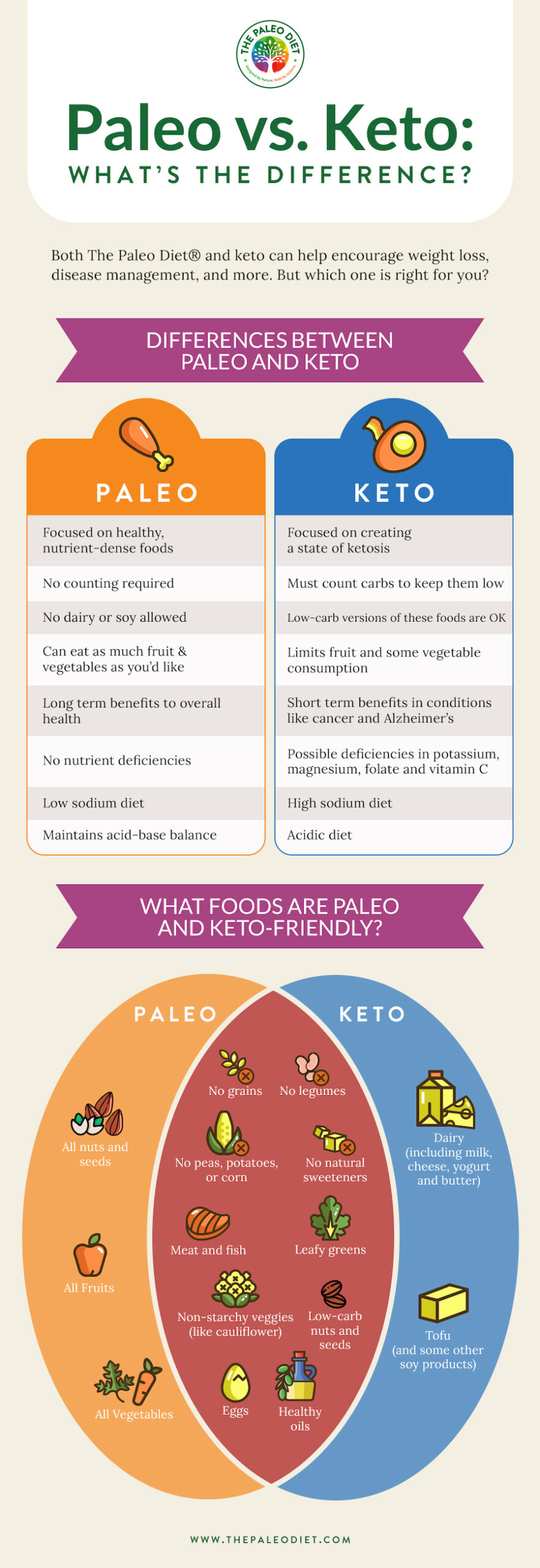
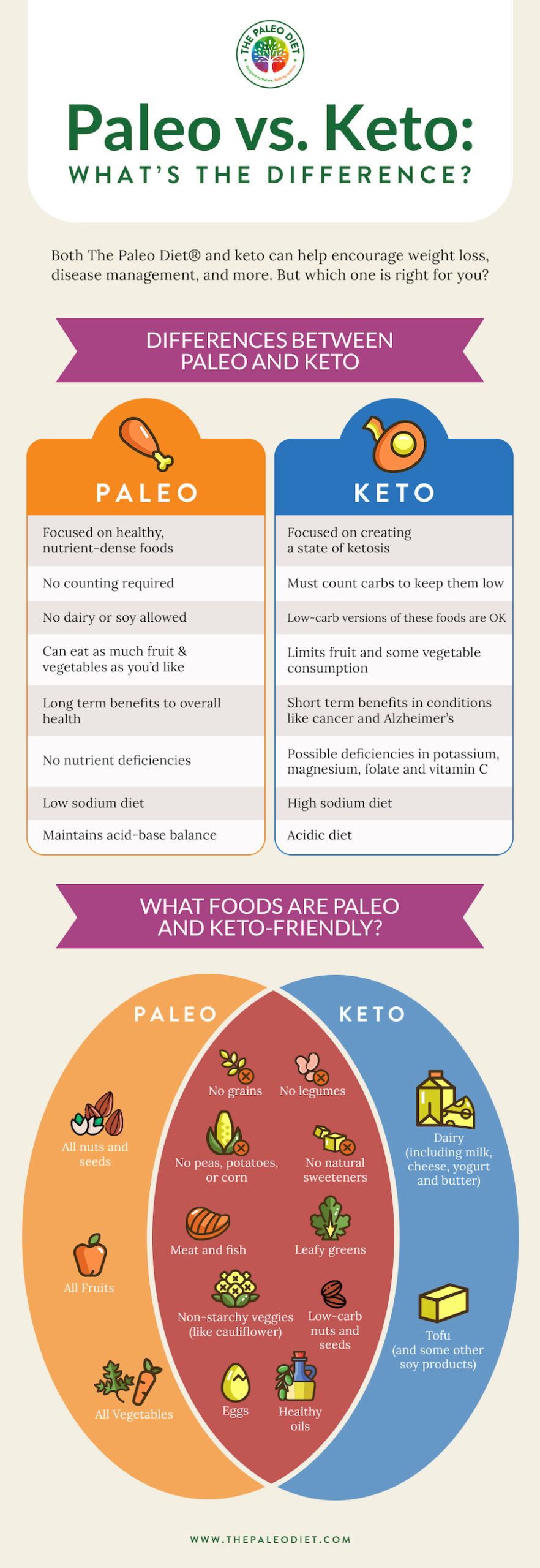
Core Principles: What Each Diet Allows
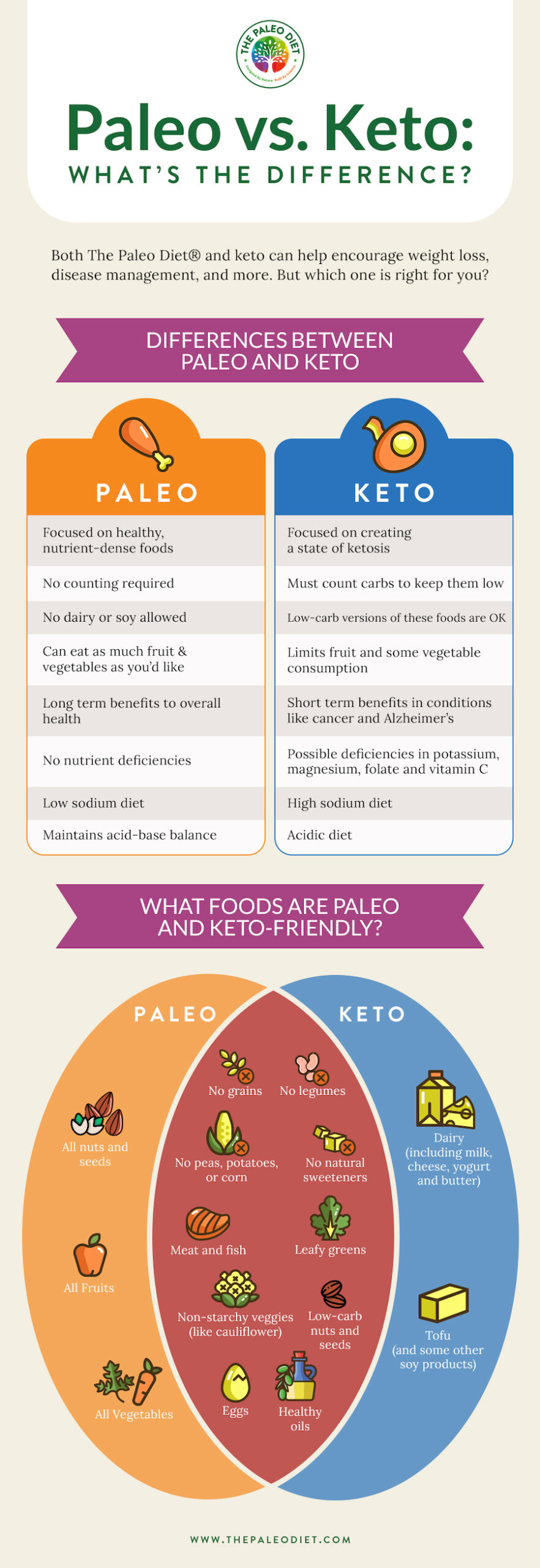
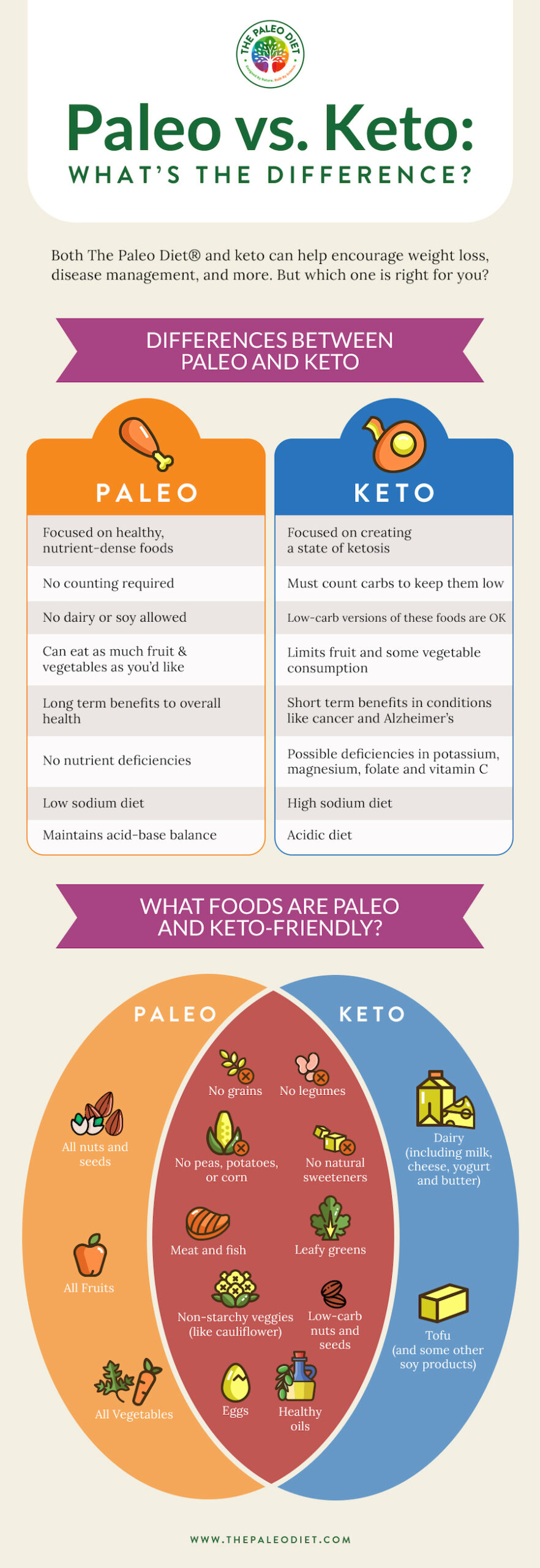
The paleo diet attempts to mimic the eating patterns of hunter-gatherer ancestors from the Paleolithic era, based on the idea that our bodies are genetically suited to pre-agricultural foods. This means a diet rich in lean proteins, fruits, vegetables, nuts, and seeds, while excluding grains, legumes, dairy, processed foods, and refined sugars. The focus is on foods naturally available to our ancestors.
Interpretations vary; some follow a strict paleo diet, while others use an '80/20' approach with occasional indulgences. The core principle remains: focus on whole, unprocessed foods and avoid those linked to inflammation and chronic disease. It's about adding nutrient-dense foods.
Keto is based on metabolic adaptation, aiming to shift the body's primary fuel from glucose to ketones by drastically reducing carbohydrates and increasing fat intake. The goal is to induce ketosis, making the body efficient at burning fat for energy.
This diet heavily focuses on fats like avocados, olive oil, and fatty fish, with moderate protein and very limited carbohydrates. Common variations include the standard ketogenic diet (SKD), cyclical ketogenic diet (CKD), and targeted ketogenic diet (TKD), which allow strategic carbohydrate intake around exercise. The core principle is maintaining ketosis through macronutrient manipulation.
The Macronutrient Divide: A Closer Look
Paleo and keto macronutrient breakdowns differ significantly. Paleo offers flexibility with typical ranges of 30-35% protein, 30-40% carbohydrates, and 25-30% fat, allowing for adjustments based on activity and preference. The focus is on quality sources: lean protein, complex carbs from fruits and vegetables, and healthy fats from nuts and seeds.
Keto is highly specific, aiming for a consistent macronutrient ratio to maintain ketosis. A standard keto diet typically includes 70-80% fat, 20-25% protein, and 5-10% carbohydrates. This requires careful tracking and planning, focusing on limiting carbohydrates to a small amount.
These differences have implications for energy and body composition. Paleo's higher carbohydrate intake offers readily available energy for high-intensity exercise. Keto's higher fat intake promotes satiety and stable blood sugar. Paleo's protein quality supports muscle maintenance, while keto's moderate protein helps prevent gluconeogenesis (converting protein to glucose).
The type of fats consumed matters. Keto emphasizes healthy fats like avocados and olive oil, but processed fats can be a pitfall. Paleo allows a wider range of fats, though portion control is key. Both diets benefit from whole, unprocessed foods and avoiding trans fats and excessive saturated fat.
- Paleo: Focuses on whole, unprocessed foods and mimics the eating patterns of our hunter-gatherer ancestors.
- Keto: Aims to induce ketosis by drastically reducing carbohydrate intake and increasing fat consumption.
Paleo vs. Keto: A Comparative Overview
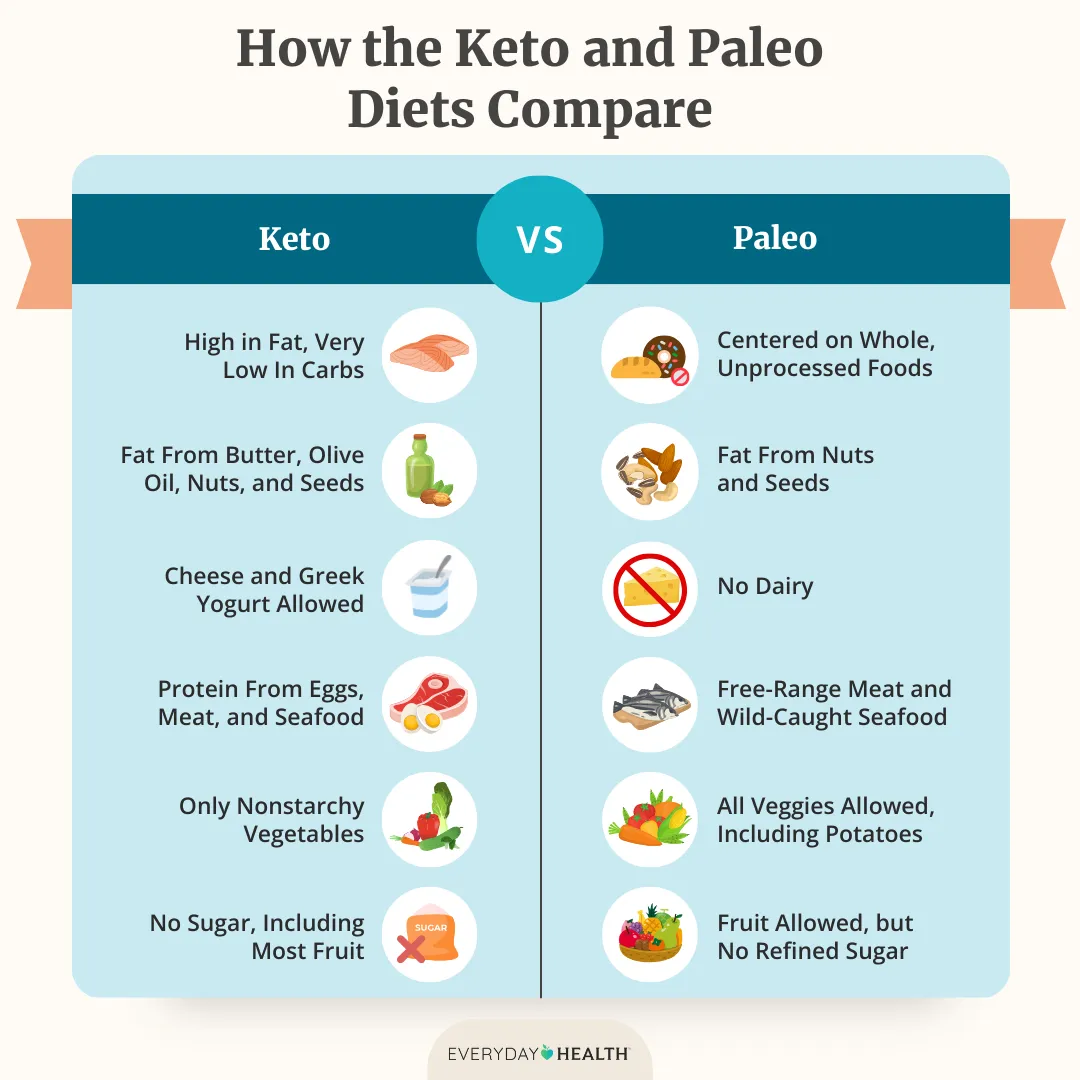
| Macronutrient Category | Paleo | Keto | Flexibility |
|---|---|---|---|
| Protein | Emphasizes high-quality, lean sources (grass-fed meats, fish, poultry). Quantity is moderate, supporting muscle mass. | Moderate to high, prioritizing adequate intake for satiety and muscle preservation. | Moderate. Source quality is important in both, but Paleo places greater emphasis on wild-caught/grass-fed. |
| Carbohydrates | Focuses on carbohydrates from non-starchy vegetables and some fruits. Avoids grains, legumes, and refined sugars. | Very low carbohydrate intake, primarily from non-starchy vegetables. Strict limitation of most fruits. | Lower. Keto is significantly more restrictive with carbohydrate intake. |
| Fats | Encourages healthy fats from sources like avocados, olive oil, nuts, and seeds. Supports overall health and satiety. | High fat intake is central, with a focus on healthy fats, but allows for a broader range to achieve ketosis. | Moderate. Keto generally allows for a higher overall fat intake and a wider variety of fat sources. |
| Food Choices | Whole, unprocessed foods are prioritized. Focus on foods presumed to be available to Paleolithic ancestors. | Focus on minimizing carbohydrate intake, often leading to a narrower range of acceptable foods. | Higher. Paleo generally offers more food variety within its guidelines. |
| Long-Term Sustainability | Potentially more sustainable due to greater food diversity and less restrictive nature. | Can be challenging to maintain long-term due to strict restrictions. | Higher. Paleo’s flexibility may promote better adherence over time. |
| Potential Benefits | Improved blood sugar control, reduced inflammation, weight management. | Rapid weight loss, improved blood sugar control, potential benefits for neurological conditions. | Trade-off. Both diets can offer health benefits, but the specific advantages may vary. |
Qualitative comparison based on the article research brief. Confirm current product details in the official docs before making implementation choices.
Weight Loss: Short-Term vs. Long-Term
Keto often causes faster initial weight loss due to water loss and glycogen depletion. Drastically reducing carbohydrates releases stored glycogen bound to water, resulting in rapid weight reduction that isn't necessarily fat loss. This initial loss can be motivating, but its nature should be understood.
Paleo tends to promote slower, more sustainable weight loss. Focusing on whole, unprocessed foods and eliminating added sugars and refined carbohydrates naturally reduces calorie intake and promotes satiety. The emphasis on protein also helps preserve muscle mass. This gradual process is often more sustainable long-term.
Neither diet works without a calorie deficit; you can gain weight on paleo or keto if you consume more calories than you burn. Both can be effective weight loss tools, but lifestyle factors like exercise, sleep, and stress management also play a significant role.
undefined intake. Long-term success with either diet requires a commitment to a healthy lifestyle, not just a restrictive eating plan.
Energy Levels and Athletic Performance
The impact on energy levels differs significantly between the two diets. Keto can initially cause "keto flu" – a collection of symptoms like fatigue, headaches, brain fog, and irritability – as the body adapts to burning fat for fuel. This typically lasts a few days to a week, but it can be unpleasant. Once adapted, however, many people report stable energy levels throughout the day.
Paleo generally doesn’t have this initial dip. The consistent carbohydrate intake from fruits and vegetables provides a steady source of energy. However, some people may experience energy fluctuations if they’re not consuming enough calories or if they’re sensitive to certain foods. It's all about finding what works for your body.
For athletes, the optimal diet depends on the type of activity. Keto can be beneficial for endurance athletes (once adapted) because the body becomes very efficient at burning fat for fuel. However, it can be detrimental for high-intensity training, as the body struggles to generate energy quickly enough. Paleo might be better suited for athletes who engage in high-intensity activities.
It’s also important to consider individual variability. Some people thrive on keto, while others feel sluggish and fatigued. Some people perform better on paleo, while others struggle with the restrictions. Experimentation is key to finding the diet that optimizes your energy levels and athletic performance. I recommend consulting with a registered dietitian or sports nutritionist for personalized guidance.
Digestive Health and Gut Microbiome
Paleo, with its emphasis on whole, unprocessed foods, can promote a diverse gut microbiome. The abundance of fiber from fruits and vegetables feeds beneficial gut bacteria, which play a crucial role in digestion, immunity, and overall health. Avoiding processed foods and refined sugars also reduces inflammation in the gut.
Keto’s restriction of carbohydrates can limit fiber intake, potentially impacting gut bacteria diversity. This can lead to constipation and other digestive issues. It’s important to prioritize fiber-rich, keto-friendly vegetables like leafy greens and broccoli, and to consider supplementing with prebiotics and probiotics.
Potential digestive issues are common with both diets. Some people experience bloating and gas on paleo due to the increased fiber intake. Constipation is a common complaint on keto due to the low fiber intake and potential dehydration. Addressing these issues often involves adjusting fiber intake, staying hydrated, and incorporating fermented foods.
It's worth considering that individual responses vary. Some people may find that paleo improves their digestion significantly, while others may experience discomfort. Keto can be particularly challenging for people with pre-existing digestive issues. Paying attention to your body and making adjustments as needed is essential for maintaining gut health.
Practical Considerations: Cost and Convenience
Let’s be realistic: both paleo and keto can be expensive. Keto often requires a significant investment in fatty meats, avocados, and other high-fat foods. Grass-fed beef, wild-caught fish, and organic produce – staples of the paleo diet – also come at a premium. Budgeting and meal planning are essential for both diets.
Convenience is another factor to consider. Both diets require significant meal prepping and planning. Keto, with its strict macronutrient ratios, demands more precise tracking and measurement. Paleo offers more flexibility, but it still requires a commitment to cooking and preparing meals from scratch. Relying on convenience foods can quickly derail progress on either diet.
Fortunately, there are resources available to help. Pre-made paleo and keto meals are becoming increasingly popular, and services like Paleo Meals Direct offer convenient, healthy options. These services can save time and effort, but they can also be expensive. It’s about finding a balance between convenience and cost.
Here are a few resources to explore:
• Paleo Meals Direct: Offers a wide range of paleo-friendly meals delivered to your door.
• Thrive Market: An online grocery store with discounted prices on organic and paleo-friendly foods.
• ButcherBox: Delivers grass-fed beef and other high-quality meats directly to your home.
- Paleo Meals Direct: Offers a wide range of paleo-friendly meals delivered to your door.
- Thrive Market: An online grocery store with discounted prices on organic and paleo-friendly foods.
- ButcherBox: Delivers grass-fed beef and other high-quality meats directly to your home.
Featured Products

30 count variety snack box · Healthy snack options · Suitable for various settings (office, college, military, work, students)
This curated snack box offers convenient and healthy options to keep you fueled throughout the day, whether you're following a Paleo or Keto diet.
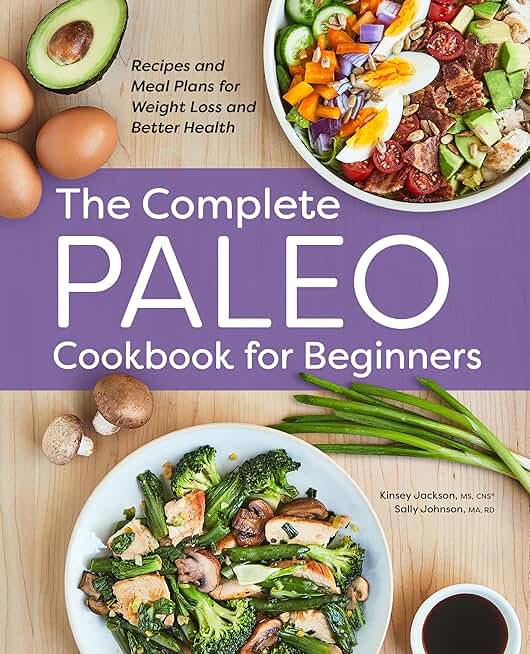
Comprehensive Paleo recipes · Beginner-friendly approach · Includes meal plans for weight loss and improved health
This cookbook provides a solid foundation for adopting the Paleo lifestyle, offering easy-to-follow recipes and structured meal plans to support your weight loss and energy goals.

Digital scale for precise measurements (grams and ounces) · Ideal for weight loss, baking, cooking, and meal prep · Durable 304 stainless steel construction with LCD display
Accurate portion control is crucial for both Paleo and Keto diets; this food scale ensures precise measurements for optimal results in weight loss and meal preparation.

USDA Organic, cold-pressed extra virgin olive oil · Rich in polyphenols · Sourced from a single family farm in Morocco
High-quality fats are essential for both Paleo and Keto diets, and this organic extra virgin olive oil provides a rich, flavorful, and nutrient-dense option for cooking and dressings.
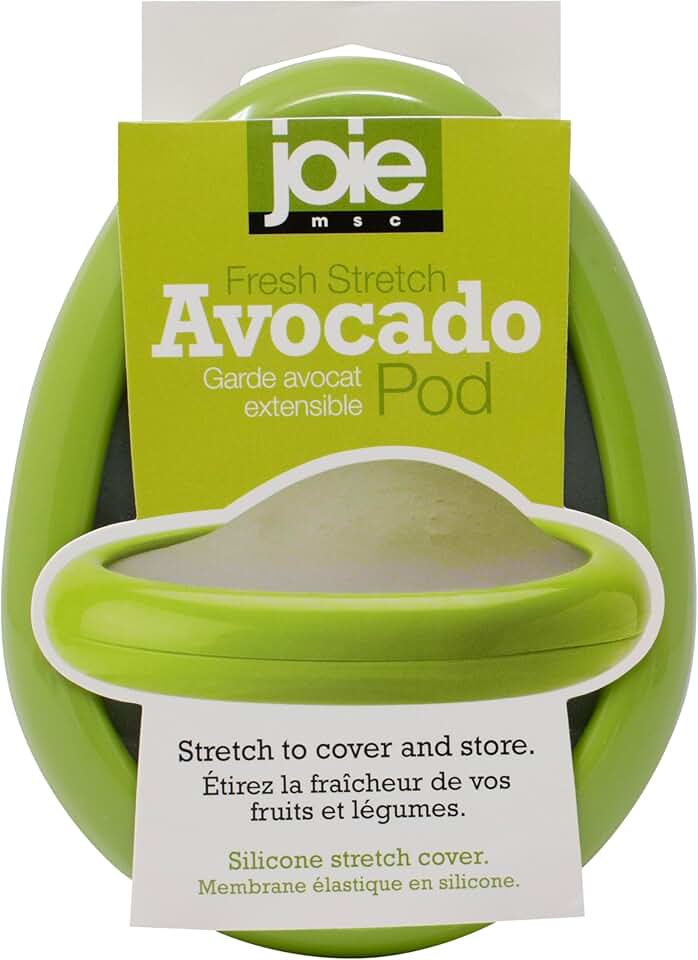
Silicone avocado saver · Keeps leftover produce fresh and firm · Reusable and dishwasher safe
Minimize food waste and keep your produce fresh with this reusable avocado saver, a practical tool for maintaining healthy eating habits on either diet.
As an Amazon Associate I earn from qualifying purchases. Prices may vary.
Beyond 2026: Emerging Trends and Hybrid Approaches
I anticipate a continued move towards personalized diets in the coming years. People are realizing that there’s no one-size-fits-all solution. Genetic testing is becoming more accessible, allowing individuals to understand how their genes influence their response to different foods. This information can be used to create personalized nutrition plans tailored to their specific needs.
Hybrid approaches are also gaining traction. "Pegan" (paleo-vegan), for example, combines the principles of paleo and veganism, emphasizing plant-based foods while avoiding grains, legumes, and dairy. Other hybrid approaches might combine elements of keto and paleo, focusing on healthy fats and whole, unprocessed foods.
The future of dieting isn’t about strict adherence to a single protocol; it’s about finding a sustainable, personalized approach that supports individual health goals. It’s about listening to your body, experimenting with different foods, and making informed choices based on your own unique needs and preferences.
Ultimately, the "best’ diet is the one that you can stick to long-term. It’s the one that makes you feel good, both physically and mentally. It"s the one that supports your health and well-being without feeling restrictive or overwhelming. The key is to find a balance that works for you and to prioritize a healthy lifestyle overall.
No comments yet. Be the first to share your thoughts!