
Compare Paleo and Keto Macros
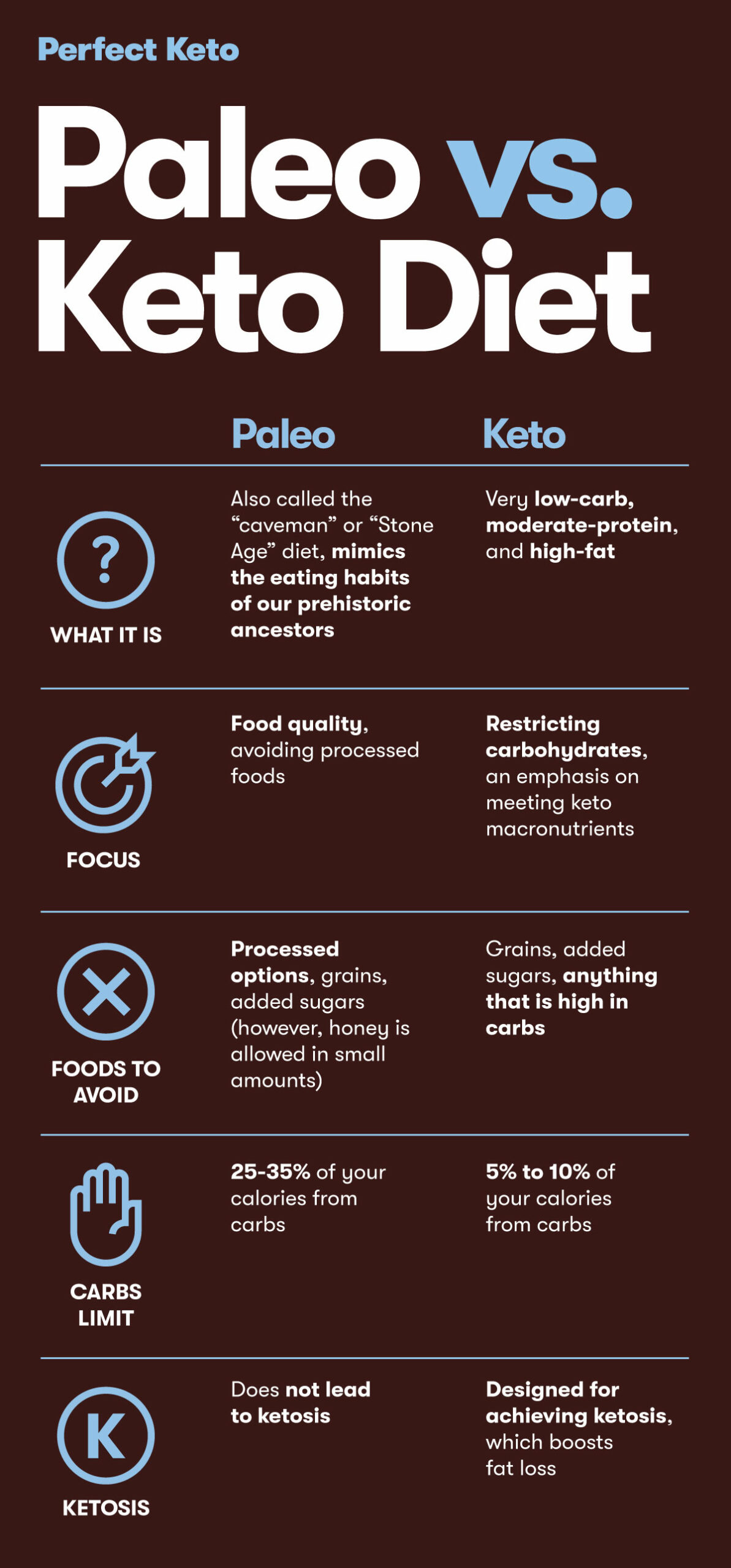
The main difference between the paleo and keto diets comes down to what they prioritize. The paleo diet focuses on food quality—eating whole, unprocessed foods like meat, fish, vegetables, and nuts. It does not strictly limit carbohydrates, allowing for higher intake from fruits and starchy vegetables. The keto diet, however, focuses on achieving a metabolic state called ketosis by drastically reducing carbohydrate intake and replacing those calories with fat.
To choose the right path, you need to look at the macronutrient breakdown. Keto requires a high percentage of calories from fat (around 70%), moderate protein, and very low carbohydrates (usually under 50 grams per day). Paleo is more moderate in fat (around 35%) and allows for a wider range of carbohydrates as long as they come from whole food sources.
The table below breaks down the specific macro targets and primary goals for each diet.
| Feature | Keto | Paleo | Primary Goal |
|---|---|---|---|
| Carbohydrate Intake | Very Low (<50g/day) | Moderate (Whole foods) | Enter ketosis |
| Fat Percentage | ~70% of calories | ~35% of calories | Fuel ketosis |
| Protein Percentage | ~25% of calories | ~25-30% of calories | Maintain muscle |
| Food Quality | Allows processed keto foods | Strictly whole foods | Metabolic control |
| Allowed Carbs | Leafy greens, nuts | Fruits, tubers, grains | Nutrient density |
Assess Your Food Preferences
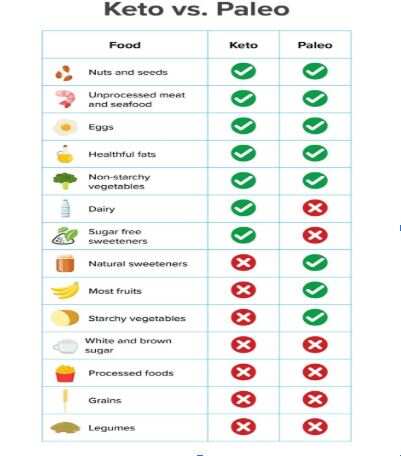
Choosing between paleo vs keto often comes down to what you enjoy eating and how much you value social flexibility. While both diets eliminate grains, legumes, and refined sugars, they diverge sharply on carbohydrates and dairy. Keto is physiologically strict about carb limits to maintain ketosis, whereas Paleo focuses on food quality and processing levels, allowing for more culinary variety.
Keto: The Carb Counter
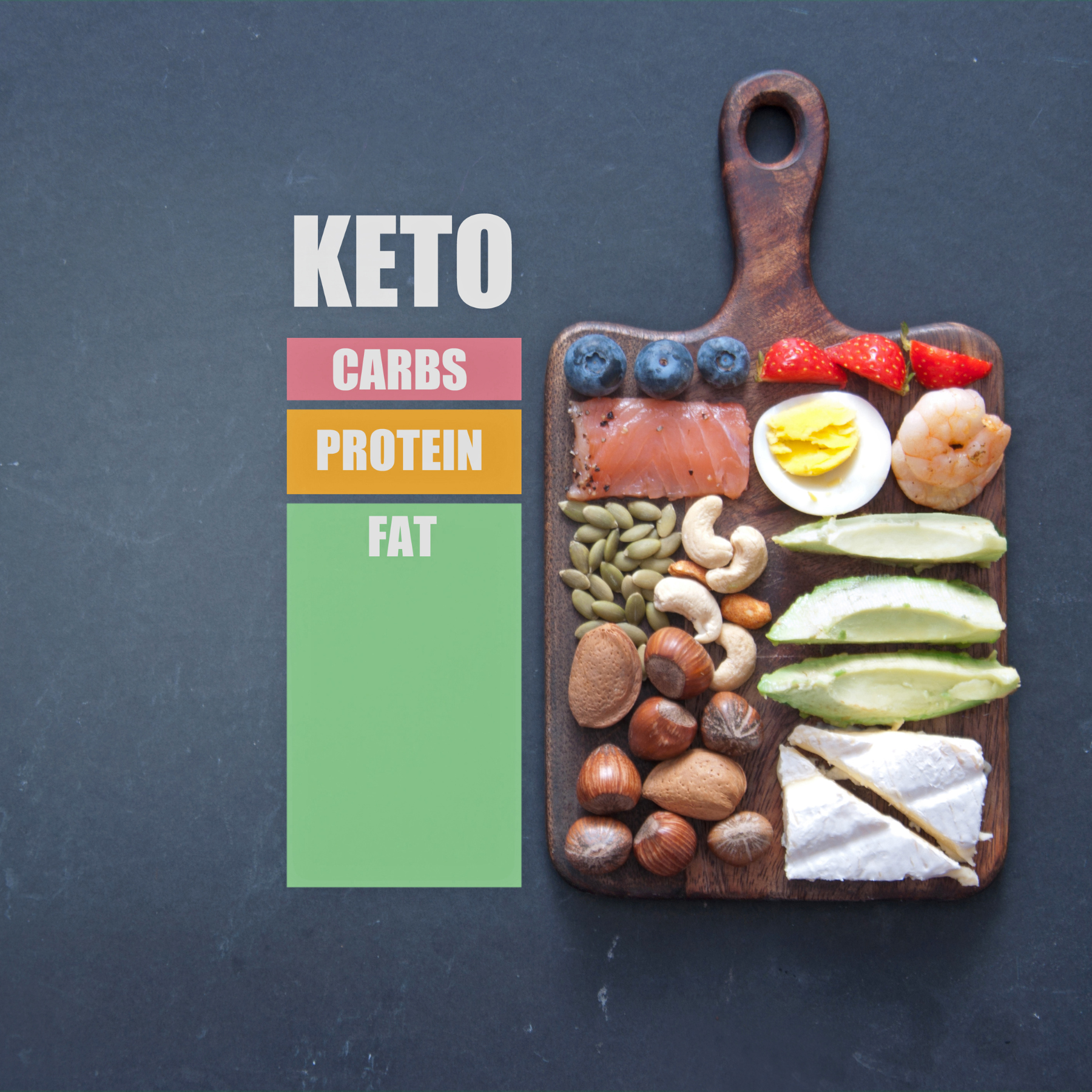
The ketogenic diet requires you to track macros meticulously. You must keep daily carbohydrate intake typically below 20–50 grams to stay in a metabolic state of ketosis. This means you cannot eat fruit, starchy vegetables, or most dairy products. Meals revolve around high-fat sources like avocados, nuts, oils, and animal fats.
This approach offers clear boundaries but demands constant vigilance. Dining out can be challenging because hidden sugars and starches are common. You must read every label and often customize orders to avoid carbs. It is a rigid structure that prioritizes metabolic control over culinary freedom.
Paleo: The Whole Food Focus
Paleo emphasizes eating whole, unprocessed foods that our ancestors might have hunted or gathered. It allows for more fruit, starchy vegetables like sweet potatoes, and dairy if tolerated. You are not counting carbs; you are evaluating the source of your food.
This flexibility makes Paleo easier to sustain long-term for many people. You can eat larger volumes of food and still feel satisfied. However, the definition of "Paleo" varies. Some strict versions ban dairy and legumes entirely, while others allow grass-fed butter or small amounts of beans. You must decide how strict you want to be.
Social and Practical Flexibility
Consider your lifestyle when deciding which diet aligns with your habits. Keto requires strict adherence to stay in ketosis, which can be socially isolating. You often have to bring your own food to gatherings or carefully scan menus. Paleo is more forgiving in social settings because you can eat meat, vegetables, and healthy fats without counting every gram.
If you enjoy cooking and experimenting with whole foods, Paleo may feel less restrictive. If you prefer clear rules and don't mind tracking macros, Keto might provide the structure you need. Your choice should support your daily routine, not fight against it.
Define Your Primary Health Goal
Choosing between keto and paleo starts with a single question: what specific outcome do you need right now? These diets overlap in their rejection of processed foods, but their metabolic effects diverge sharply. Keto forces the body into ketosis for fuel, while paleo focuses on food quality and nutrient density. Aligning your choice with your primary health goal prevents frustration and ensures you’re using the right tool for the job.
Rapid Weight Loss and Blood Sugar Control
If your main priority is shedding weight quickly or managing type 2 diabetes, keto is the more aggressive and effective option. By restricting carbohydrates to under 50 grams per day, keto depletes glycogen stores and shifts metabolism to burn fat for energy. This state not only accelerates fat loss but also stabilizes blood glucose levels, reducing the need for insulin spikes.
Clinical evidence supports keto’s impact on glycemic control. A study from the Quebec Diabetes Association found that patients on a ketogenic diet experienced greater reductions in A1C (glycated hemoglobin) over three to six months compared to those on conventional diets. The minimal carbohydrate intake directly addresses the root cause of blood sugar instability, making keto superior for metabolic syndrome and rapid weight reduction.
Autoimmune Management and Sustainability
For those managing autoimmune conditions like Hashimoto’s thyroiditis, paleo often offers a gentler, more sustainable path. While keto can be effective for inflammation, paleo eliminates common irritants like grains, legumes, and dairy without the extreme carb restriction. This approach reduces autoimmune triggers while allowing for a wider variety of fruits and vegetables, which can improve long-term adherence.
Research indicates that paleo can positively impact autoimmune thyroid disease (AITD). A study published in PubMed noted improvements in AITD antibodies and thyroid hormones among participants following a paleo diet. By focusing on nutrient-dense, whole foods rather than just macronutrient ratios, paleo supports the body’s natural healing processes while remaining easier to maintain socially and psychologically over the long term.
Matching Goals to Diets
Your health goal should dictate your diet, not the other way around. If you need to lower A1C or drop weight fast, keto’s metabolic shift is powerful. If you are managing an autoimmune condition or seeking a lifestyle you can sustain for years, paleo’s focus on food quality and reduced inflammation is likely the better fit. Many people even use keto for short-term metabolic reset before transitioning to paleo for long-term maintenance.
Plan Your First Week of Meals
Testing a diet is easier when you have a concrete plan. Instead of guessing, spend this week running a trial of either the paleo or keto diet. This approach lets you see how your body reacts to the food before you commit to a long-term lifestyle change.
Decide which path fits your goals. If you need strict carb restriction for blood sugar management, choose keto. If you prefer whole, unprocessed foods without counting macros, choose paleo. Both diets eliminate processed grains and sugars, but they differ in how they handle starchy vegetables and dairy.

Stock your kitchen with ingredients that work for both diets. Buy eggs, olive oil, avocados, leafy greens, and your preferred protein sources like chicken, beef, or fish. For keto, add butter and cheese. For paleo, swap dairy for coconut milk or ghee. Avoid packaged snacks and stick to single-ingredient foods.
Create a 3-day meal plan using basic recipes. Breakfast could be eggs with spinach and avocado. Lunch might be a large salad with grilled chicken and olive oil dressing. Dinner can be baked salmon with roasted broccoli. Keep cooking methods simple—roast, bake, or sauté—to reduce decision fatigue during the week.
Note how you feel each day. Do you have steady energy, or do you crash after meals? Are you hungry between meals? This data helps you decide if the diet is sustainable for you. If you feel sluggish, check your electrolyte intake or adjust your fat ratios based on your chosen diet.
This trial period removes the guesswork. You will know within seven days if the diet aligns with your body’s needs and your daily routine.
Watch for common transition mistakes
Most people abandon the keto or paleo diet not because the approach is flawed, but because they fall into specific traps during the first few weeks. The most common pitfall is the "dirty" version of these diets. In "dirty keto," you might consume processed meats, artificial sweeteners, and low-quality cheese to hit fat macros. Similarly, "dirty paleo" often relies on heavily processed paleo-friendly snacks and bars. Both approaches strip away the nutritional density that makes these diets effective.
To avoid this, prioritize whole food sources of fat. Rely on avocados, olive oil, nuts, and fatty fish rather than processed oils or packaged alternatives. This shift reduces inflammation and stabilizes energy levels.
Another critical oversight is ignoring electrolytes and fiber. When you cut carbs, your body flushes water and essential minerals like sodium, potassium, and magnesium. This leads to the "keto flu"—fatigue, headaches, and brain fog. Supplementing electrolytes can mitigate these symptoms significantly.
For paleo dieters, the lack of grains and legumes means fewer fiber sources. Without careful planning, you may experience digestive distress. Focus on fibrous vegetables, nuts, and seeds to maintain gut health.
No comments yet. Be the first to share your thoughts!