

Paleo vs Keto: Core Differences
Use this section to make the Paleo vs Keto decision easier to compare in real life, not just on paper. Start with the reader's actual constraint, then separate must-have requirements from details that are merely nice to have. A practical choice should survive normal use, maintenance, timing, and budget. If a recommendation only works in an ideal situation, call that out plainly and give the reader a fallback path.
| Factor | What to check | Why it matters |
|---|---|---|
| Fit | Match the option to the primary use case. | A good deal still fails if it does not fit the job. |
| Condition | Verify age, wear, and service history. | Hidden condition issues erase upfront savings. |
| Cost | Compare purchase price with likely upkeep. | The cheapest option is not always the lowest-cost option. |
Meal prep logistics: paleo vs keto
Both diets rely on whole foods, but the operational demands differ significantly. Paleo prioritizes produce variety and volume, while Keto demands precise fat tracking and portion control. Understanding these logistical differences helps you choose a meal prep strategy that fits your schedule and goals.
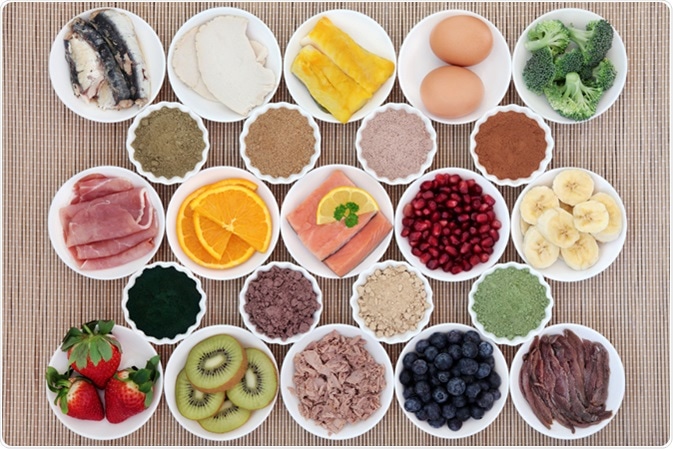
Paleo requires a larger footprint in the produce aisle. You need a wide rotation of vegetables to ensure micronutrient diversity since you are not relying on dairy or grains for calories. Keto shopping is more focused on protein sources and high-fat ingredients like avocados, nuts, and oils. You buy less volume of food, but you must read labels carefully to avoid hidden carbohydrates in sauces and processed meats.
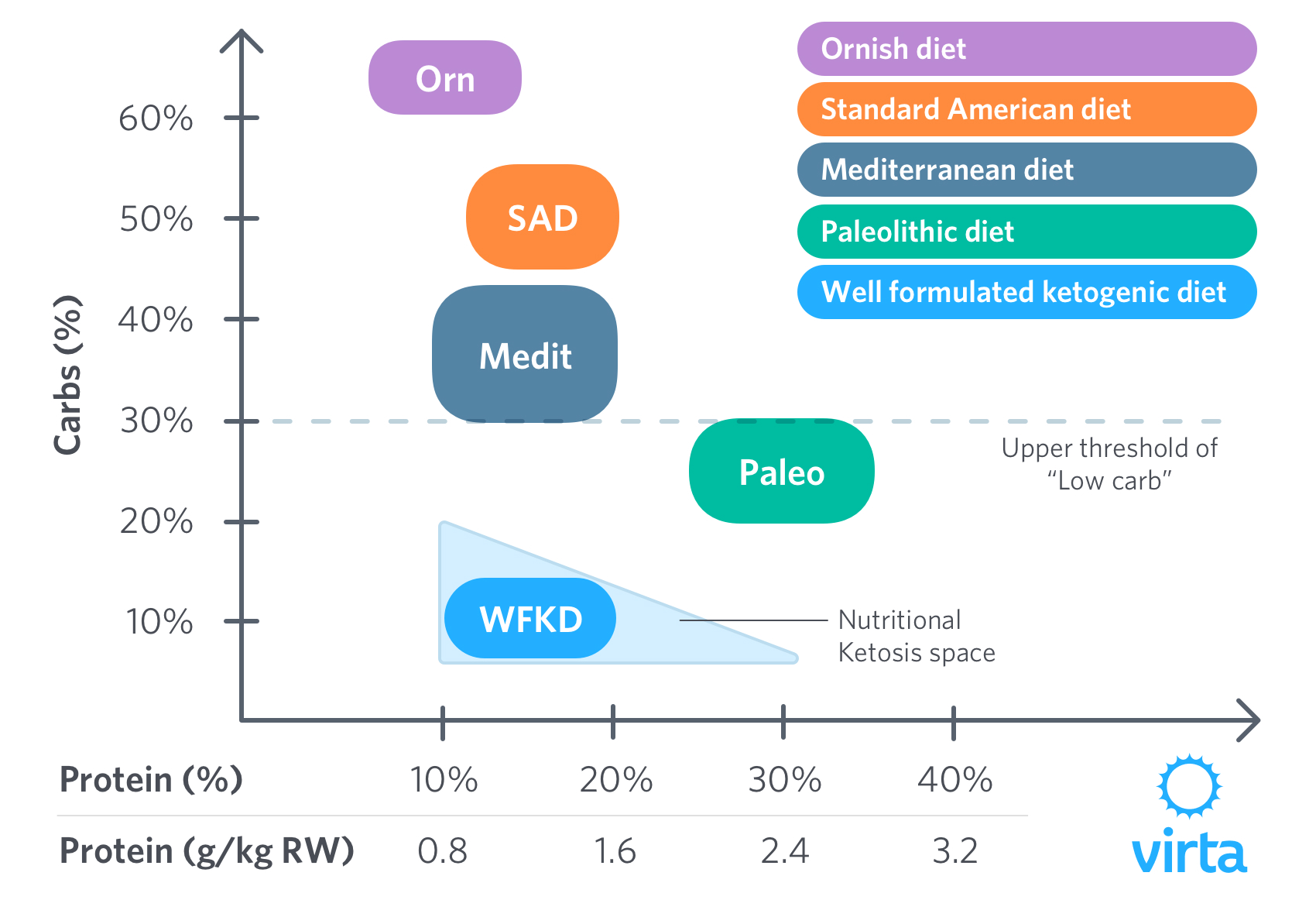
Paleo meals often involve large volumes of leafy greens and fibrous vegetables, which can take up significant fridge space. Storing raw produce separately from cooked proteins helps maintain freshness. Keto meals are denser in calories, meaning you can pack more energy into smaller containers. This makes Keto particularly efficient for space-constrained kitchens or when prepping for multiple days at once.
Paleo dishes, especially those with high water-content vegetables, can become soggy when reheated. Use steaming or quick sautéing to restore texture rather than microwaving for long periods. Keto meals, often higher in fat, can separate or become greasy if overheated. Gentle reheating and stirring help maintain the emulsion of fats and proteins, keeping the meal palatable.
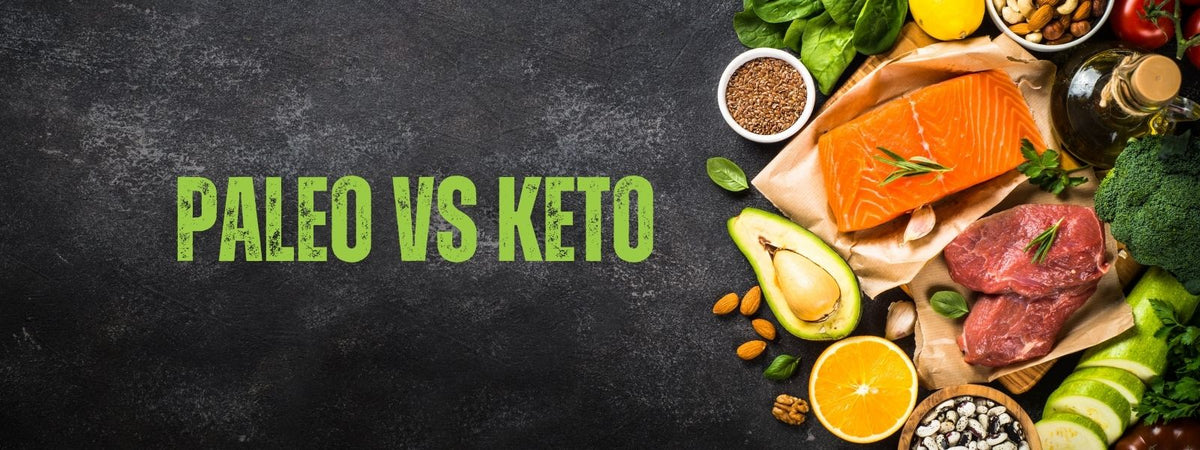
Paleo meal prep is largely intuitive. If it’s unprocessed and fits the "caveman" criteria, it’s generally allowed. You don’t need to weigh every gram of broccoli. Keto requires strict macro tracking. You must calculate the ratio of fats to proteins and carbs for each meal to stay in ketosis. This adds a layer of complexity to your prep routine but offers precise control over your metabolic state.
Sample Recipe: Lemon Herb Salmon
Lemon herb salmon serves as a practical example of how a single dish can bridge the gap between Paleo and Keto meal prep strategies. The core components—wild-caught salmon, olive oil, fresh herbs, and lemon—align with both dietary frameworks. The divergence lies in the side dishes and portioning, which allow you to adjust carbohydrate intake without changing the main protein preparation.
This recipe demonstrates the flexibility of both diets. For Keto, the focus remains on high fat and low carbohydrate, utilizing avocado salsa as a primary side. For Paleo, the approach shifts toward nutrient density and whole foods, incorporating roasted sweet potatoes or a larger volume of non-starchy vegetables to meet energy needs while avoiding processed grains and sugars.
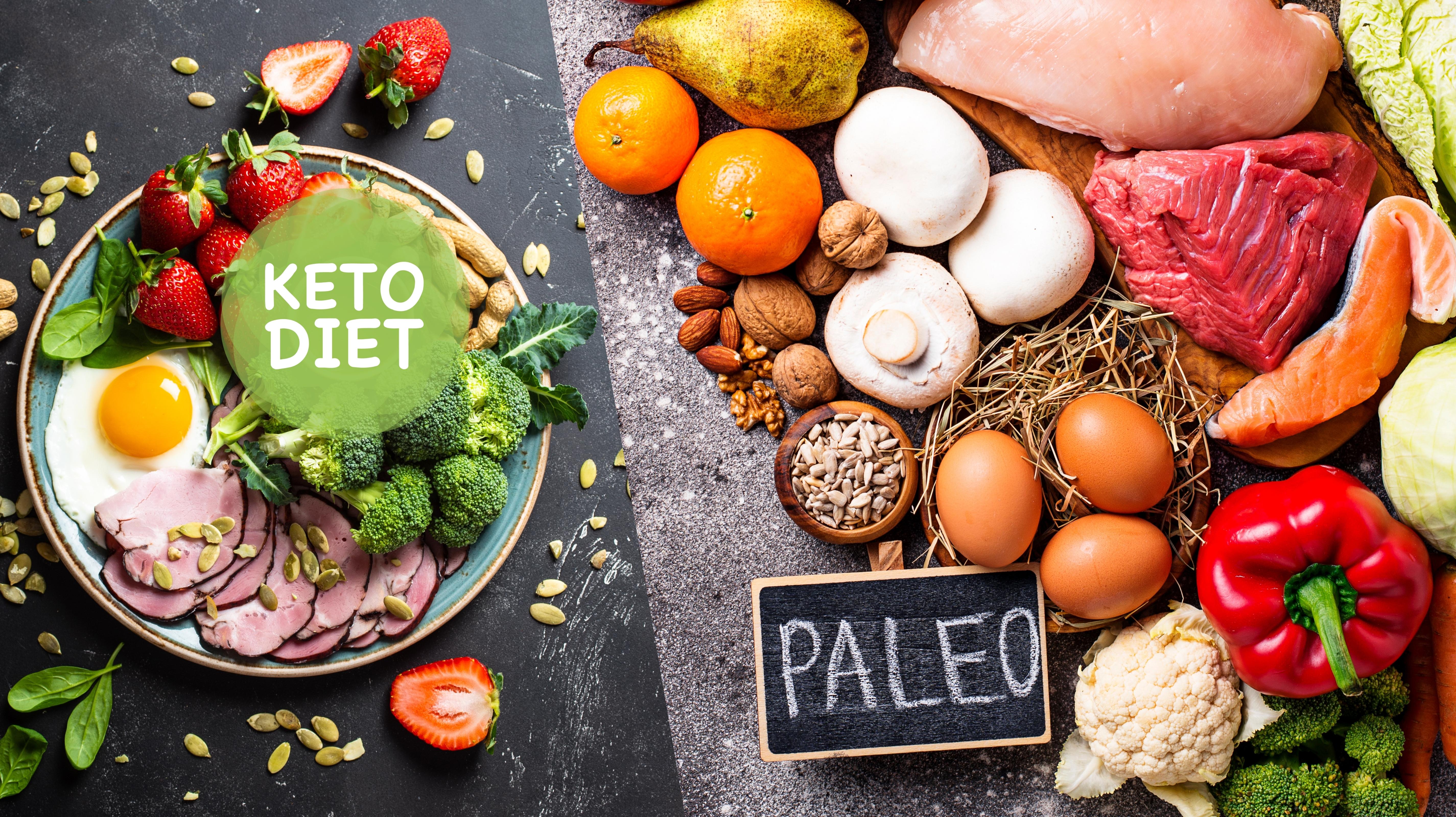
The image below illustrates the visual differences often seen in meal prep containers when adapting the same base ingredients for Keto versus Paleo goals. Note how the volume and type of accompanying vegetables or fats change to meet specific macronutrient targets.
The following recipe provides the exact measurements and steps to prepare the salmon. Use the side dish suggestions in the notes to tailor the meal to your specific dietary requirement.
When meal prepping this dish, consider batch-cooking the salmon and storing it in airtight containers for up to three days. The avocado salsa is best prepared fresh before each meal to prevent browning, or you can mix it with a bit more lemon juice to extend its shelf life for a few hours.
Health impacts and considerations
The Paleo and Keto meal prep strategies target different physiological outcomes, making the choice dependent on specific health goals rather than just weight loss. Paleo meal prep often focuses on eliminating processed foods, grains, and dairy, which can help reduce systemic inflammation. This approach is particularly relevant for individuals managing autoimmune conditions. Research suggests that the Paleo diet may improve thyroid hormones and antibodies in people with Hashimoto’s thyroiditis, offering a potential pathway for better hormonal balance through whole-food nutrition.
Keto meal prep, by contrast, prioritizes strict carbohydrate restriction to induce ketosis, where the body burns fat for fuel instead of glucose. This metabolic shift has shown significant results for blood sugar management. Studies indicate that individuals following a ketogenic diet often experience a greater reduction in A1C levels over three to six months compared to those on conventional diets. For those with type 2 diabetes or insulin resistance, Keto meal prep can be a powerful tool for stabilizing blood glucose without relying solely on medication.
However, both approaches carry potential downsides that warrant attention. The Paleo diet’s restriction of dairy and grains can make it difficult to get adequate calcium and fiber, while its emphasis on red meat may raise concerns about saturated fat intake for some individuals. Keto meal prep can lead to the "keto flu" during the initial adaptation phase, characterized by fatigue and brain fog, and requires careful planning to ensure nutrient density. Because these diets significantly alter your body’s fuel source and nutrient intake, it is important to consult a healthcare provider before starting, especially if you have pre-existing thyroid conditions or diabetes.
Frequently asked: what to check next
Will keto bring down A1C?
A ketogenic diet often leads to a significant drop in A1C levels for people with type 2 diabetes. Because the diet restricts carbohydrates to very low levels, blood sugar remains stable, reducing the need for insulin. Studies over three to six months show greater A1C reduction on keto compared to conventional low-fat diets, making it a powerful tool for glycemic control.
Is paleo good for Hashimoto's?
The Paleo diet can be beneficial for managing Hashimoto's thyroiditis. Research indicates that eliminating gluten, dairy, and processed foods may reduce autoimmune antibodies and improve thyroid hormone levels. By focusing on nutrient-dense whole foods, the diet provides a natural source of nutrients that support thyroid health and reduce inflammation.
What are three disadvantages of the paleo diet?
The Paleo diet has notable drawbacks that can impact long-term health and sustainability. First, it restricts dairy products, which may lead to lower calcium and vitamin D intake if not carefully managed. Second, it often encourages high consumption of saturated fats and red meat, which some health guidelines advise limiting. Third, the strict exclusion of entire food groups like grains and legumes can create social restrictions and make meal planning more complex.
No comments yet. Be the first to share your thoughts!