

Paleo and Keto in 2026: A Snapshot
The Paleo and Keto diets are incredibly popular. Paleo, rooted in the presumed eating habits of our hunter-gatherer ancestors, emphasizes whole, unprocessed foods like lean meats, fish, fruits, vegetables, nuts, and seeds. It arose as a reaction against the heavily processed modern diet. Keto, short for ketogenic, is a very high-fat, very low-carbohydrate diet designed to shift the body into a metabolic state called ketosis, where it burns fat for fuel instead of glucose.
Both diets will become more personalized. We’re already seeing a move away from rigid rules and toward understanding how individual genetics, gut microbiome composition, and activity levels influence dietary needs. More at-home testing kits will be available to help people determine their optimal macronutrient ratios. The trend toward sustainability will also likely impact both diets, with a greater emphasis on sourcing ethical and environmentally friendly foods.
We’ll see a blurring of the lines between these and other dietary approaches. People are realizing that there isn’t a one-size-fits-all solution. The focus will be less on strict adherence to a label and more on finding a sustainable eating pattern that supports individual health goals. This means more experimentation with food combinations and a willingness to adjust based on how your body responds. More sophisticated wearable technology to track biomarkers will allow for real-time feedback and optimization.
Macronutrient Breakdown: The Core Differences
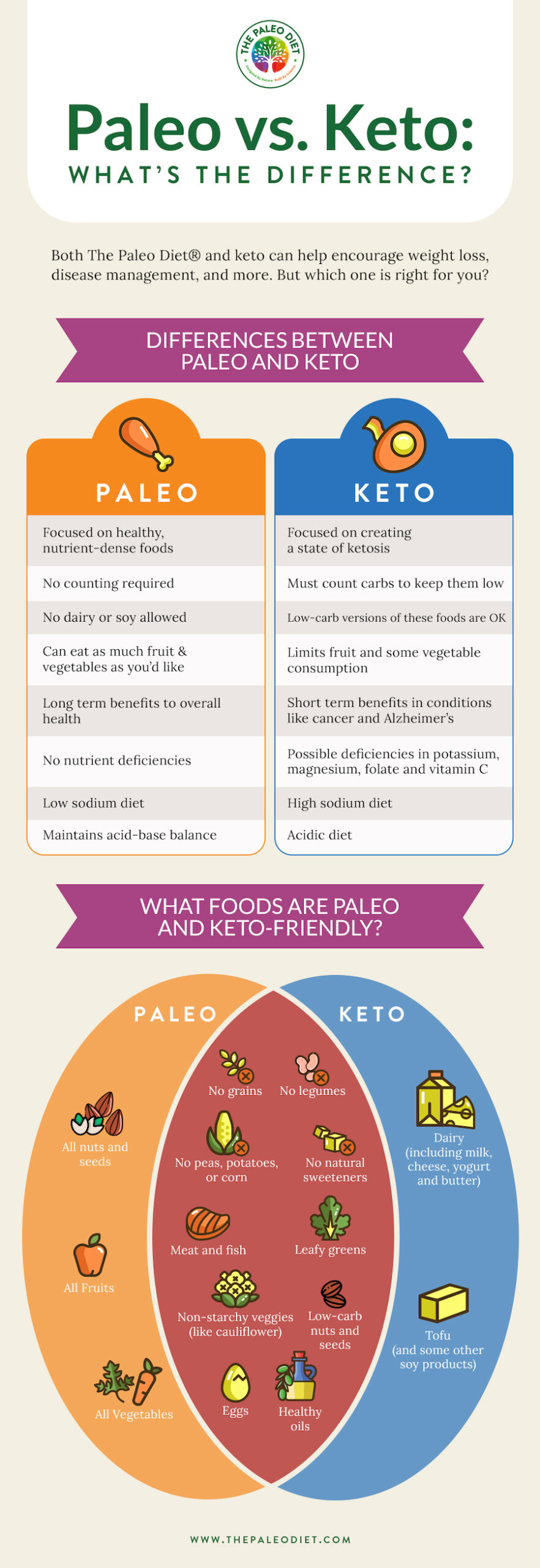
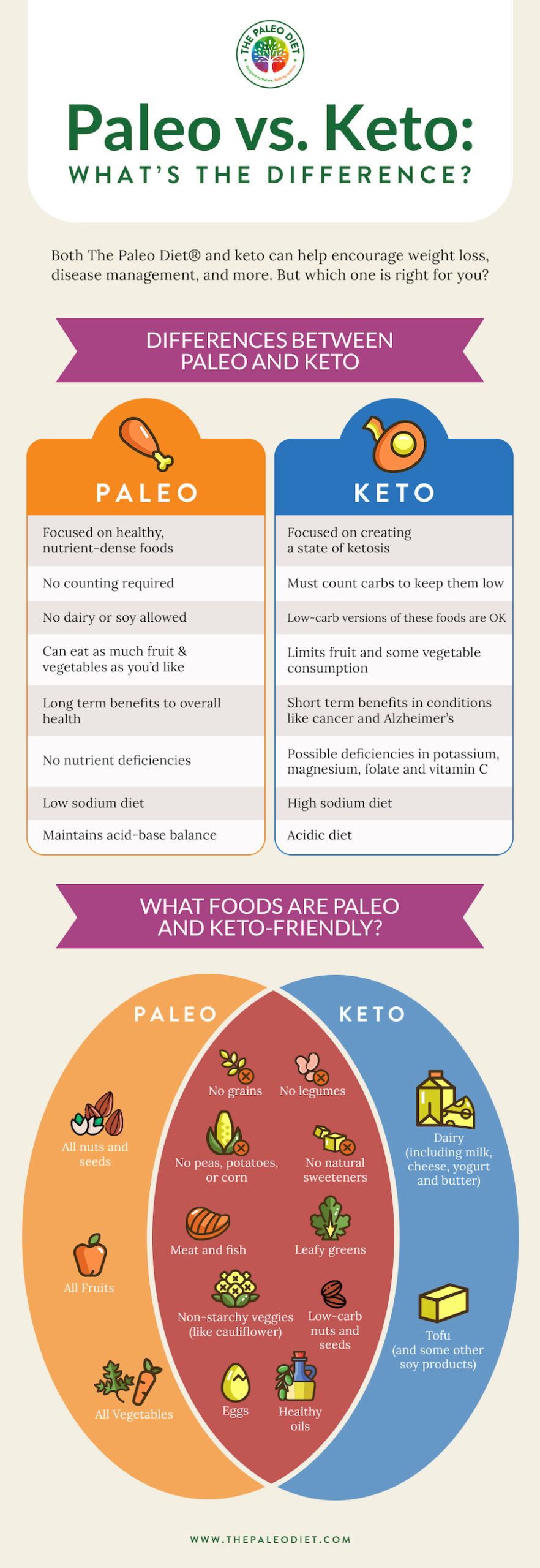
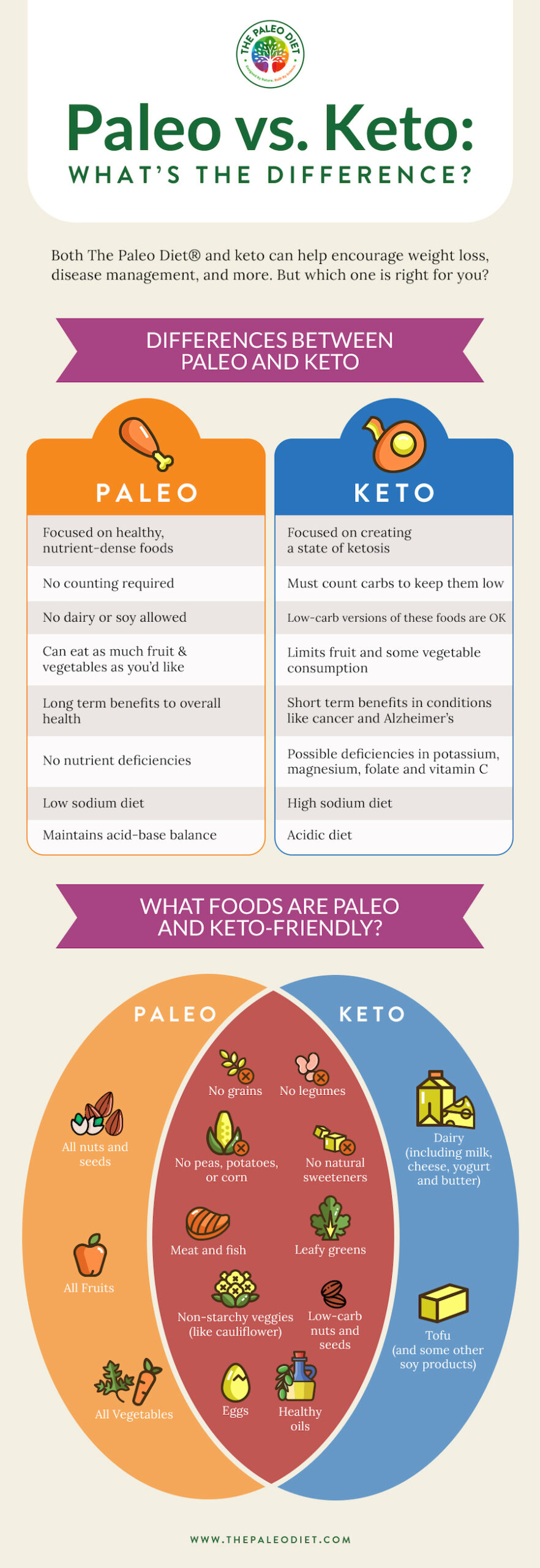
The fundamental distinction between Paleo and Keto lies in their macronutrient ratios. Paleo generally recommends a diet composed of roughly 30-35% protein, 40-50% fat, and 20-30% carbohydrates, focusing on complex carbs from fruits and vegetables. This ratio aims to provide sustained energy and support overall health without the extreme restrictions of Keto. The emphasis is on quality over quantity, prioritizing nutrient-dense whole foods.
Keto is a dramatically different approach. It typically involves consuming 70-80% of calories from fat, 20-25% from protein, and only 5-10% from carbohydrates. This very low carbohydrate intake forces the body to switch its primary fuel source from glucose to ketones, produced from fat. The goal is to maintain a state of ketosis, which can lead to weight loss and other metabolic effects. It's a much more restrictive diet, and adherence is key.
These differences impact how your body functions. Paleo’s carbohydrate intake supports glycogen stores, providing readily available energy for physical activity. Keto’s reliance on fat requires your body to adapt to burning fat for fuel, a process that can take time and result in initial side effects. Individual needs will influence these ratios. Someone highly active might tolerate more carbohydrates on Paleo, while someone with insulin resistance might benefit from a slightly lower carb intake.
Weight Loss: Short-Term vs. Long-Term
Keto often leads to rapid initial weight loss, primarily due to water loss associated with carbohydrate restriction. When you cut carbs, your body depletes glycogen stores, and with it, a significant amount of water. This can be motivating, but much of this initial loss isn't fat. After the initial water weight comes off, continued weight loss on Keto relies on creating a consistent calorie deficit.
Paleo tends to promote more gradual and sustainable weight loss. By focusing on whole, unprocessed foods and eliminating added sugars and unhealthy fats, Paleo naturally reduces calorie intake. It doesn't rely on drastic carbohydrate restriction, which can be a benefit for long-term adherence. The focus is on building healthy eating habits rather than quick fixes. A 2014 study published in The American Journal of Clinical Nutrition showed participants on a Paleo diet experienced greater fat loss and improved insulin sensitivity compared to a control group.
The biggest challenge with Keto is maintaining it long-term. Many people experience 'keto flu'—fatigue, headache, nausea—during the initial adaptation phase, and the restrictive nature of the diet can lead to cravings and eventually, yo-yo dieting. Metabolic adaptation is a factor on both diets; as you lose weight, your metabolism slows down, requiring adjustments to calorie intake to continue seeing results. Paleo, with its greater flexibility, may be easier to sustain over the long haul.
Paleo vs. Keto: A Comparative Analysis for Weight Loss & Energy (2026)
| Initial Weight Loss Speed | Sustainability | Muscle Preservation | Dietary Restrictions | Potential for Rebound |
|---|---|---|---|---|
| Paleo | Generally moderate. Paleo focuses on whole foods and eliminating processed items, leading to initial water weight loss, but the less restrictive nature may result in a slower initial drop compared to Keto. | Relatively high. The emphasis on protein intake and nutrient-dense foods supports muscle maintenance during weight loss, especially when combined with resistance training. | Moderate. Paleo eliminates grains, legumes, and dairy, which can be challenging for some, but allows for fruits, vegetables, and lean meats. | Moderate. While focused on whole foods, slipping back into old habits with grains or processed foods can lead to weight regain if the underlying lifestyle isn’t maintained. |
Illustrative comparison based on the article research brief. Verify current pricing, limits, and product details in the official docs before relying on it.
Energy Levels and Athletic Performance
Keto’s impact on energy levels is often a rollercoaster, especially in the beginning. The 'keto flu' is a real phenomenon, and it can leave people feeling sluggish and fatigued as their body adapts to burning fat. Once adapted, some individuals report stable energy levels, but this isn’t universal. The brain requires glucose, and while ketones can provide an alternative fuel source, some people experience brain fog or difficulty concentrating on Keto.
Paleo, with its inclusion of carbohydrates, generally provides a more consistent energy supply. The complex carbohydrates from fruits and vegetables offer sustained energy release, preventing the dramatic blood sugar spikes and crashes associated with processed carbs. This can be particularly beneficial for those with active lifestyles. Choose carbohydrates wisely and focus on nutrient-dense sources.
For athletic performance, the effects differ depending on the type of exercise. Keto can be effective for endurance athletes after a period of adaptation, as the body becomes efficient at burning fat for fuel. For high-intensity activities requiring quick bursts of energy, Paleo’s carbohydrate stores may be more advantageous. Strength training also benefits from adequate carbohydrate intake for muscle recovery and glycogen replenishment.
Food Restrictions: A Practical Look
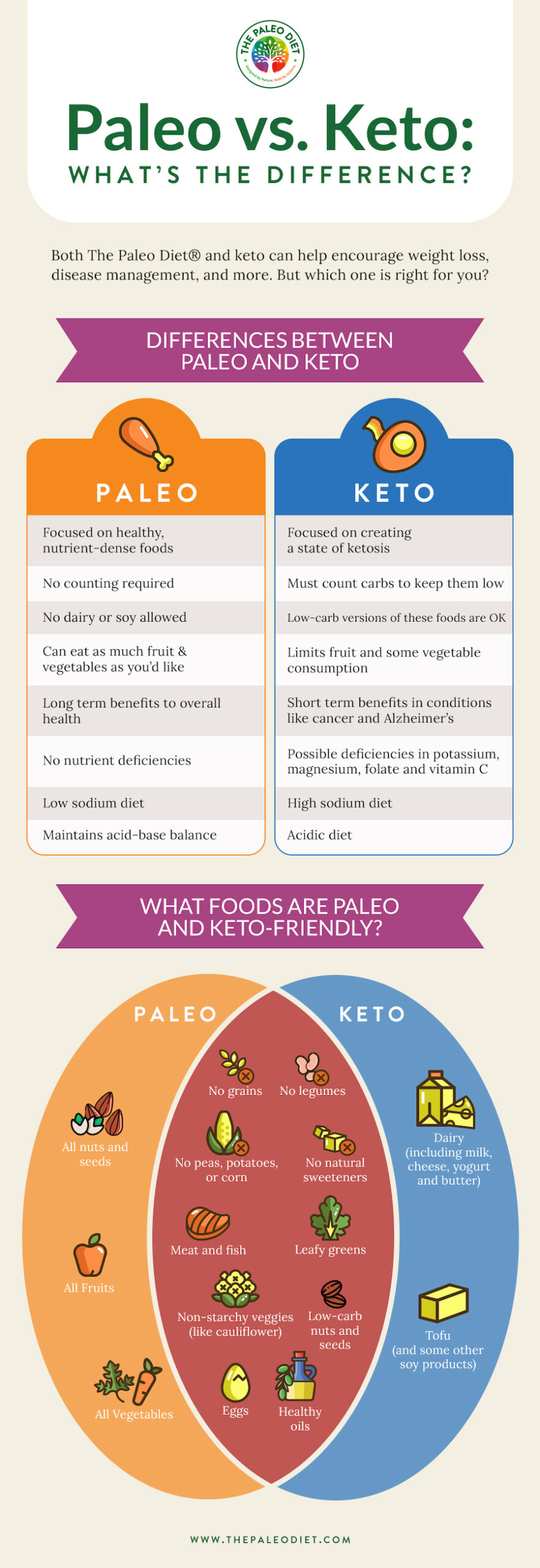
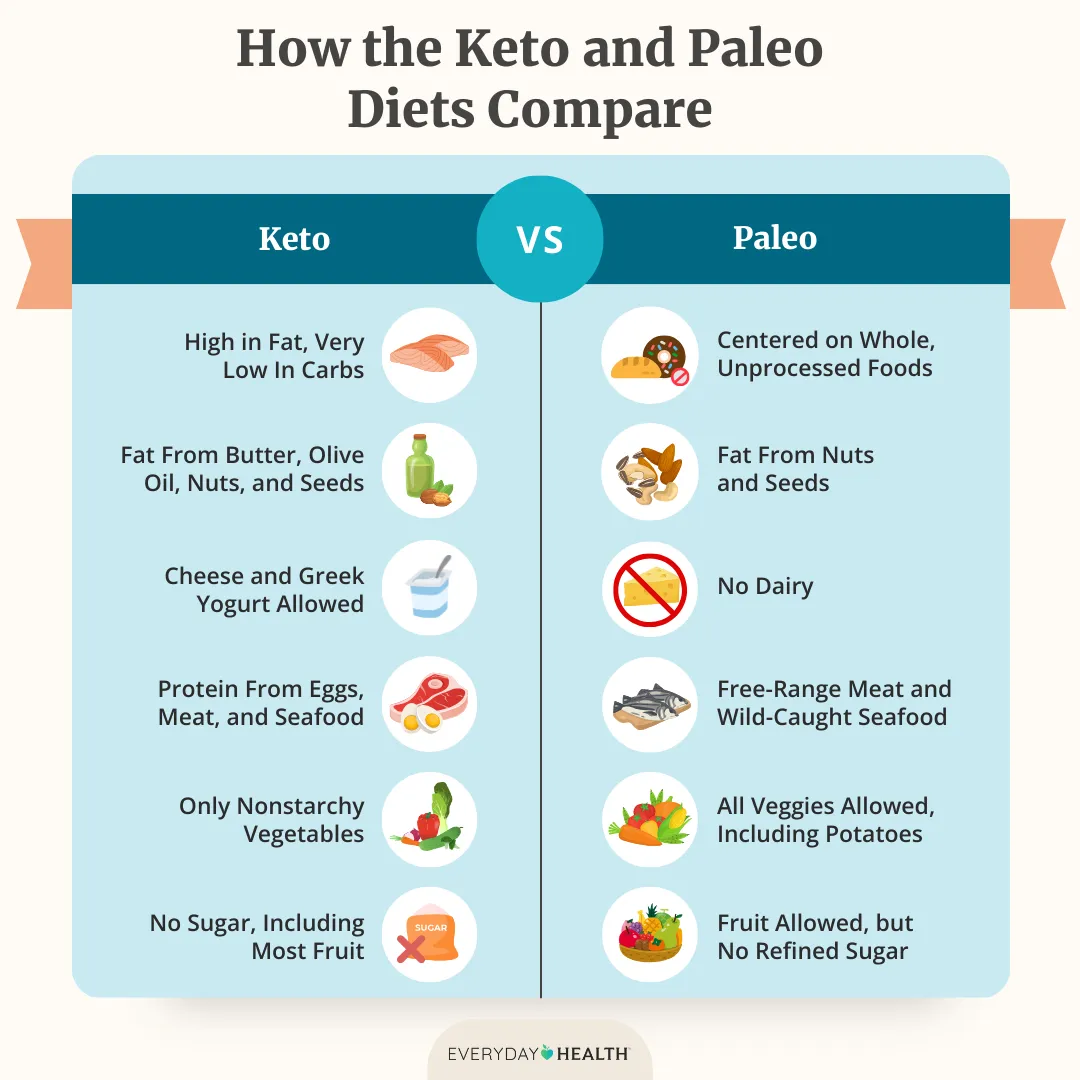
Paleo’s restrictions are significant but generally considered more manageable than Keto. Grains (wheat, rice, corn), legumes (beans, lentils, peanuts), dairy, and processed foods are all off-limits. The rationale is that these foods were not part of the Paleolithic diet and may contribute to inflammation and health problems. This means saying goodbye to bread, pasta, most breakfast cereals, and conventional dairy products.
Keto is far more restrictive. It eliminates most carbohydrates, including many fruits, vegetables, and even healthy sources like sweet potatoes. This makes eating out and social events challenging. It requires meticulous tracking of macronutrients and careful meal planning. You're also limiting your intake of fiber-rich foods, which can impact gut health.
The practicality of these restrictions is a major consideration. Paleo requires a commitment to cooking from scratch and reading food labels carefully. Keto demands even more diligence and can be socially isolating. Meal prep services, like Paleo Meals Direct, can be incredibly helpful, providing convenient and compliant options. Ultimately, the diet you’ll stick with is the one that fits your lifestyle and preferences.
Gut Health and Inflammation
undefined provides prebiotics, which feed beneficial gut bacteria.
Keto’s impact on gut health is more complex. While the reduction in sugar and processed foods can be beneficial, the restriction of fiber-rich carbohydrates may negatively affect gut microbiome diversity. However, some research suggests that ketone bodies themselves may have anti-inflammatory effects. The Epilepsy Association highlights the potential for Keto to modulate the gut microbiome, but more research is needed.
By 2026, I expect we’ll have a much clearer understanding of the specific ways these diets impact the gut microbiome. Advances in microbiome sequencing technology will allow for more personalized dietary recommendations based on individual gut bacteria profiles. It's possible we’ll see the development of prebiotic and probiotic supplements specifically tailored to support gut health on both Paleo and Keto.
Paleo vs Keto: Cost and Convenience
Both diets can be expensive, but in different ways. Paleo can become costly if you rely heavily on high-quality meats, wild-caught fish, and organic produce. Sourcing these ingredients consistently can significantly increase your grocery bill. However, you can mitigate costs by choosing less expensive cuts of meat and incorporating more plant-based protein sources.
Keto can also be pricey due to the need for specific fats (avocado oil, MCT oil) and potentially supplements like electrolytes and exogenous ketones. The limited variety of allowed foods may also lead to increased spending on specialty items. Finding affordable Keto-friendly snacks and meals can be a challenge.
Convenience is another key factor. Both diets require more meal preparation than a standard Western diet. However, services like Paleo Meals Direct offer pre-made Paleo meals, simplifying the process and saving time. For Keto, there are also meal delivery services available, but they tend to be more expensive and may not offer the same level of customization.
Essential Paleo and Keto Support Products for 2026

100% Grass Fed Beef · Gluten-Free · High Protein
A convenient, high-protein snack that aligns with both Paleo and Keto dietary principles.

Cold-Pressed · 100% Pure and Natural · Premium Grade Carrier Oil
A versatile, healthy fat source suitable for cooking and personal care, fitting well within a Paleo lifestyle.

Gluten-Free · Blanched · Finely Sifted
An essential gluten-free flour that allows for Paleo and Keto-friendly baking and cooking.
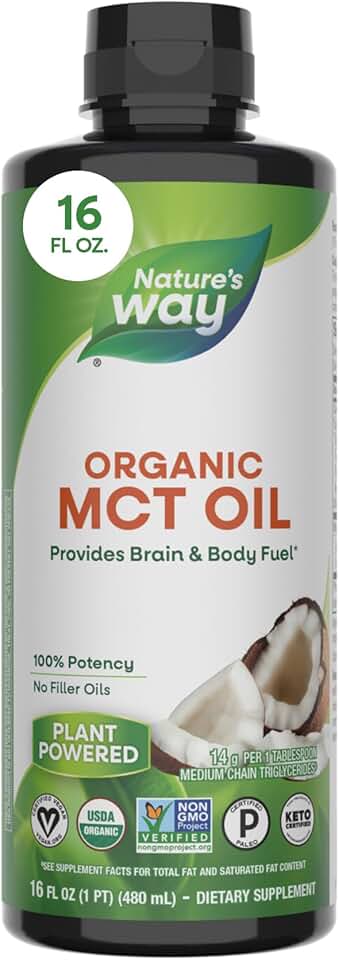
USDA Organic · Rich in C8 & C10 Caprylic & Capric Acids · Keto & Paleo Certified
A pure source of medium-chain triglycerides that supports energy levels and cognitive function, suitable for both diets.
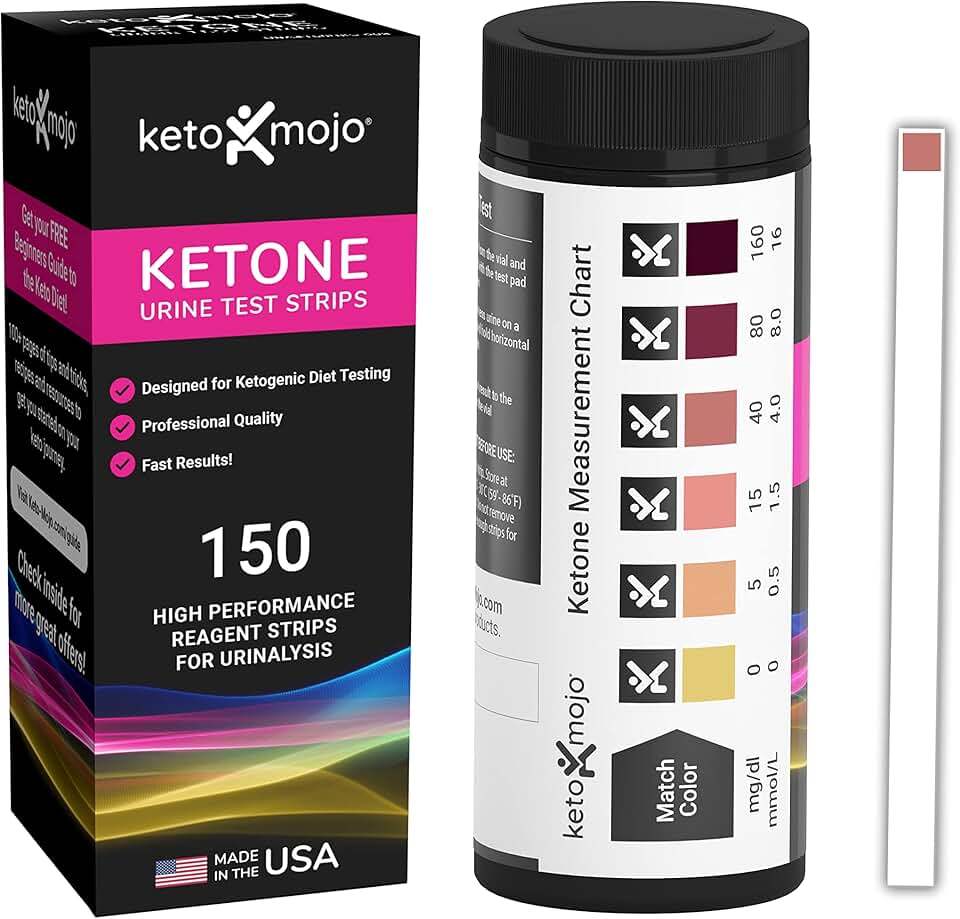
150 Test Strips · Extra-Long for Easy Sampling · App & Keto Guide eBook Included
An accessible tool for tracking ketosis, essential for monitoring progress and effectiveness on the Keto diet.
As an Amazon Associate I earn from qualifying purchases. Prices may vary.
Beyond 2026: Hybrid Approaches
The future of these diets likely lies in hybridization. We’re already seeing a growing trend toward combining elements of Paleo and Keto – sometimes referred to as "Paleo-Keto" or cyclical ketogenic diets. This approach allows for greater flexibility and personalization, addressing the limitations of each diet individually.
For example, someone might follow a primarily Paleo diet most of the time, incorporating strategic periods of carbohydrate restriction (similar to Keto) to enhance fat burning or improve insulin sensitivity. Or they might adopt a modified Keto diet that includes small amounts of Paleo-approved carbohydrates like sweet potatoes or berries. The key is to tailor the approach to individual needs and goals.
This flexibility is driven by a growing understanding that there isn’t a single "perfect" diet. Factors like genetics, activity level, gut microbiome composition, and personal preferences all play a role. By embracing a more individualized approach, people can create a sustainable eating pattern that supports their long-term health and well-being. The use of continuous glucose monitoring and wearable technology will further empower individuals to optimize their diets based on real-time data.
Which diet approach are you most likely to follow in the next year for weight loss and energy?
We are curious where our community stands on the paleo vs keto debate heading into 2026. Cast your vote below and see how your choice compares with others in real time. Your response helps us tailor future recipes, meal prep guides, and dietary resources to what matters most to you.
No comments yet. Be the first to share your thoughts!