

Paleo and Keto in 2026: A Snapshot
Both the Paleo and Keto diets remain popular choices in 2026, though their application has become increasingly personalized. The Paleo diet, often called the “caveman diet,” emphasizes foods our hunter-gatherer ancestors might have eaten: meats, fish, fruits, vegetables, nuts, and seeds. It's rooted in the idea that the human body is genetically best suited to this way of eating, and modern processed foods are to blame for many health problems.
Keto, short for ketogenic, is a very low-carbohydrate, high-fat diet. The goal is to shift the body into a metabolic state called ketosis, where it burns fat for fuel instead of glucose. Originally developed for treating epilepsy in the 1920s, it’s now widely used for weight loss and other health benefits.
What's changed is the rigidity. In the past few years, we’ve seen a move away from strict adherence to either diet and toward more flexible frameworks. People are recognizing that there isn’t a one-size-fits-all approach. Personalized nutrition, factoring in genetics, gut microbiome, and activity levels, is heavily influencing how individuals adapt these diets.
The core principles remain, but the application is much more nuanced. People are experimenting with carb cycling on Keto, incorporating some dairy or legumes into Paleo, and generally tailoring the diets to fit their lifestyle and individual needs. This trend reflects a growing understanding that sustainable dietary changes are more likely to succeed when they are adaptable and enjoyable.
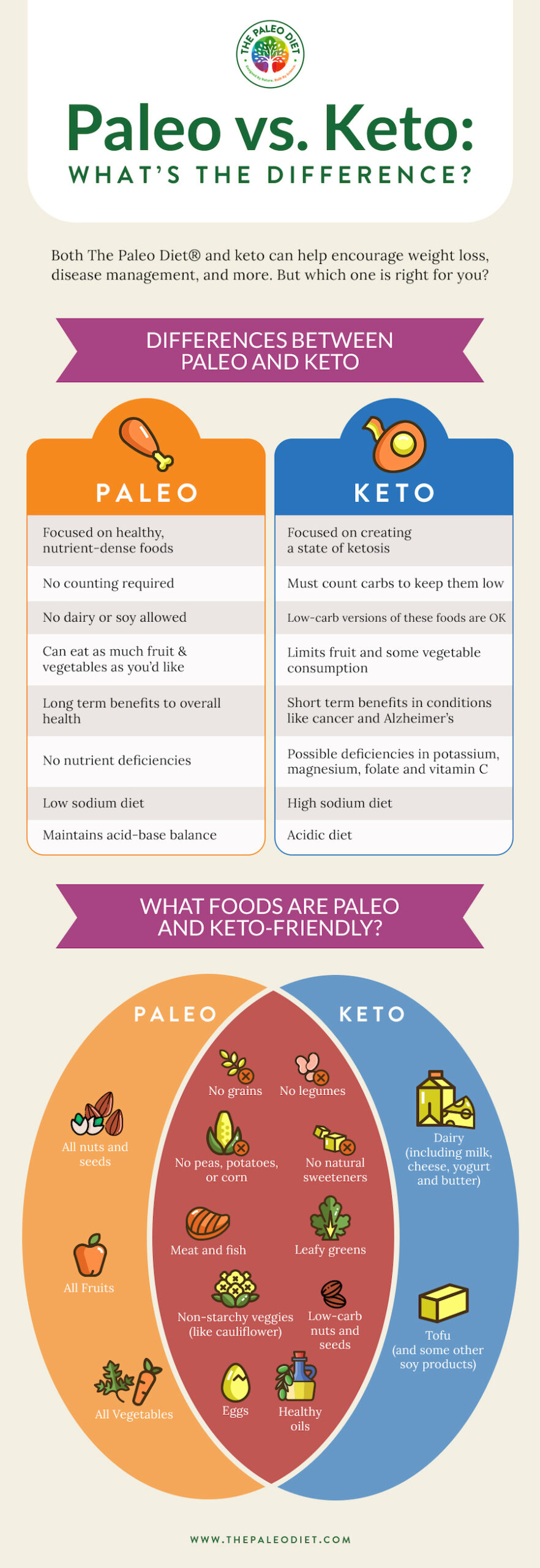
Macronutrient Breakdown: The Core Difference
The most significant difference between Paleo and Keto lies in their macronutrient ratios – the balance of carbohydrates, proteins, and fats. Keto is extremely restrictive regarding carbohydrates, typically aiming for less than 50 grams per day, and often even lower, around 20-30 grams. This forces the body to switch from burning glucose to burning fat for energy.
A typical Keto macronutrient breakdown looks like this: 70-80% of calories from fat, 20-25% from protein, and 5-10% from carbohydrates. Paleo, on the other hand, allows for a more moderate carbohydrate intake, generally around 30-40% of daily calories. The focus is on carbohydrates from fruits and vegetables, avoiding grains and legumes.
Paleo generally breaks down to around 30-35% protein, 30-40% carbohydrates, and 30-40% fat. This difference dramatically impacts insulin response. Keto’s low carb intake minimizes insulin spikes, while Paleo allows for some insulin response, though it’s still lower than a standard Western diet.
Protein intake is often similar in both diets, though quality is emphasized in Paleo—prioritizing grass-fed meats and wild-caught fish. The types of fats also differ. Keto encourages all fats, including saturated fats, while Paleo favors healthier fats like those found in avocados, nuts, seeds, and olive oil. This distinction is important, as not all fats are created equal.
- Keto: 70-80% Fat, 20-25% Protein, 5-1
- Paleo (Typical): 30-35% Protein, 30-40% Carbohydrates, 30-40% Fat
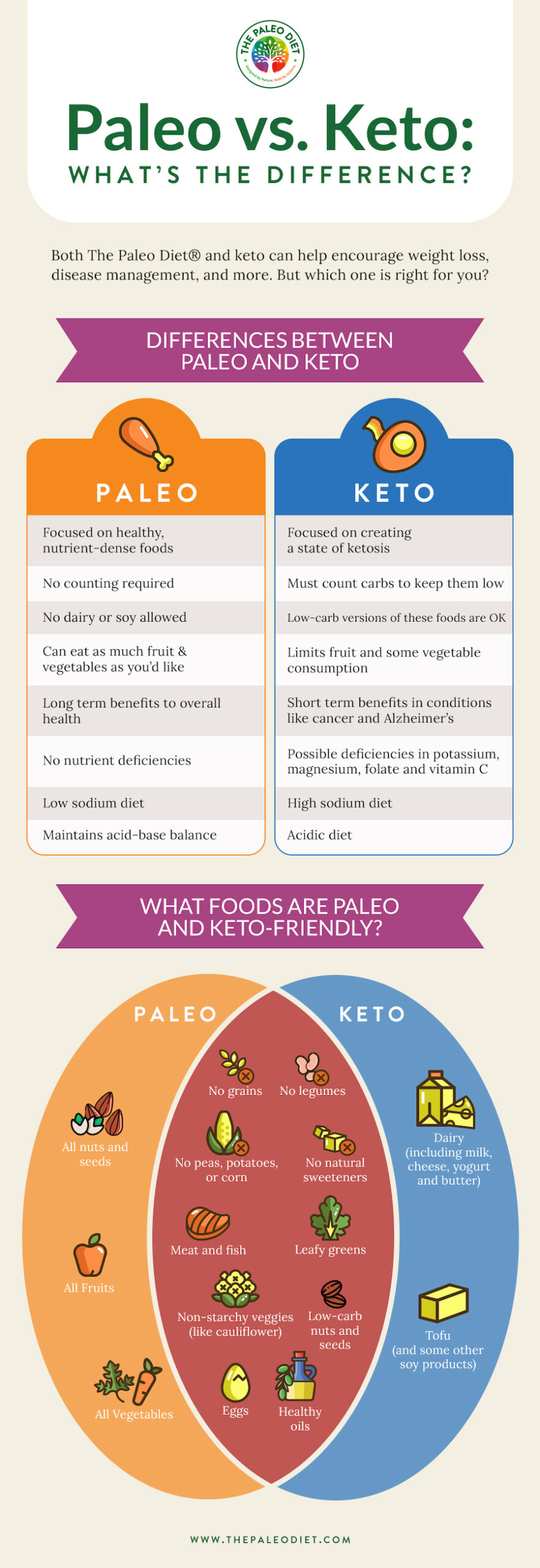
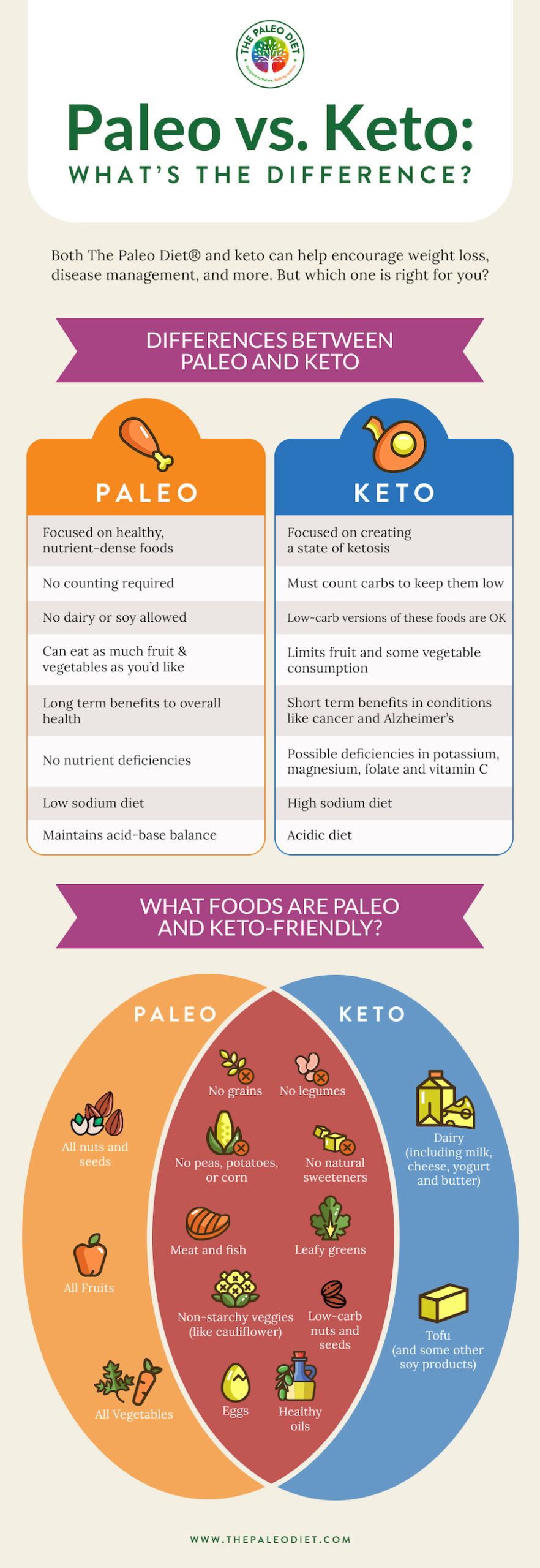
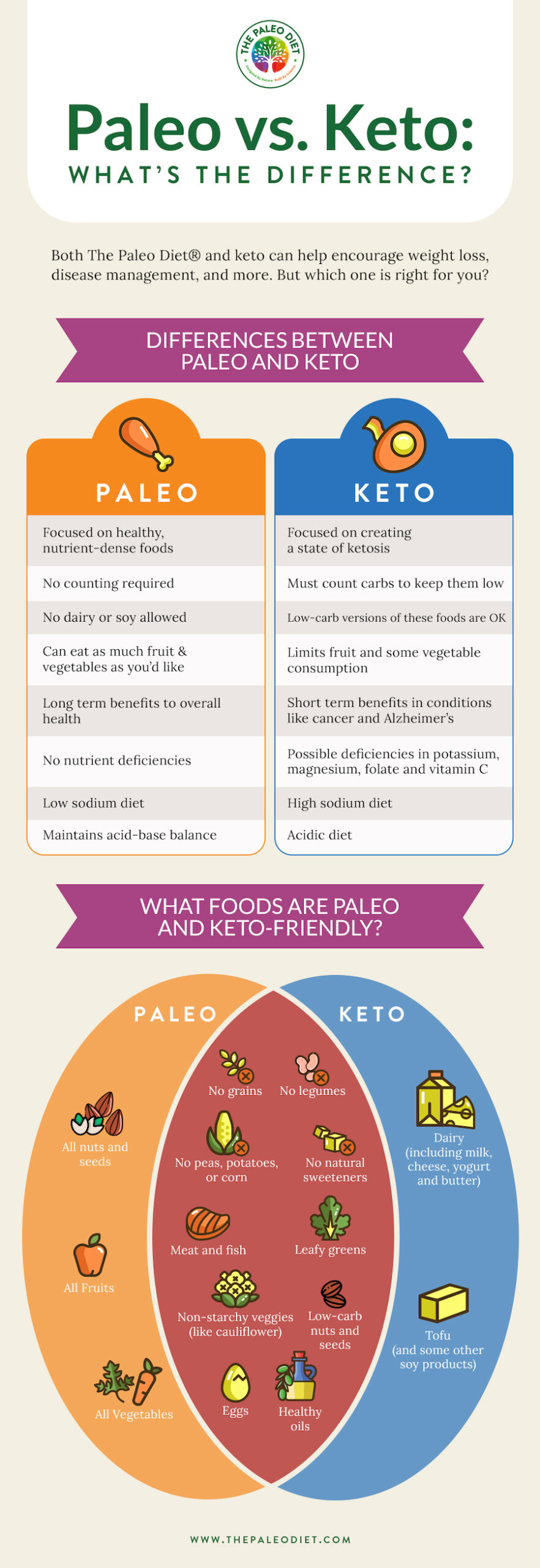
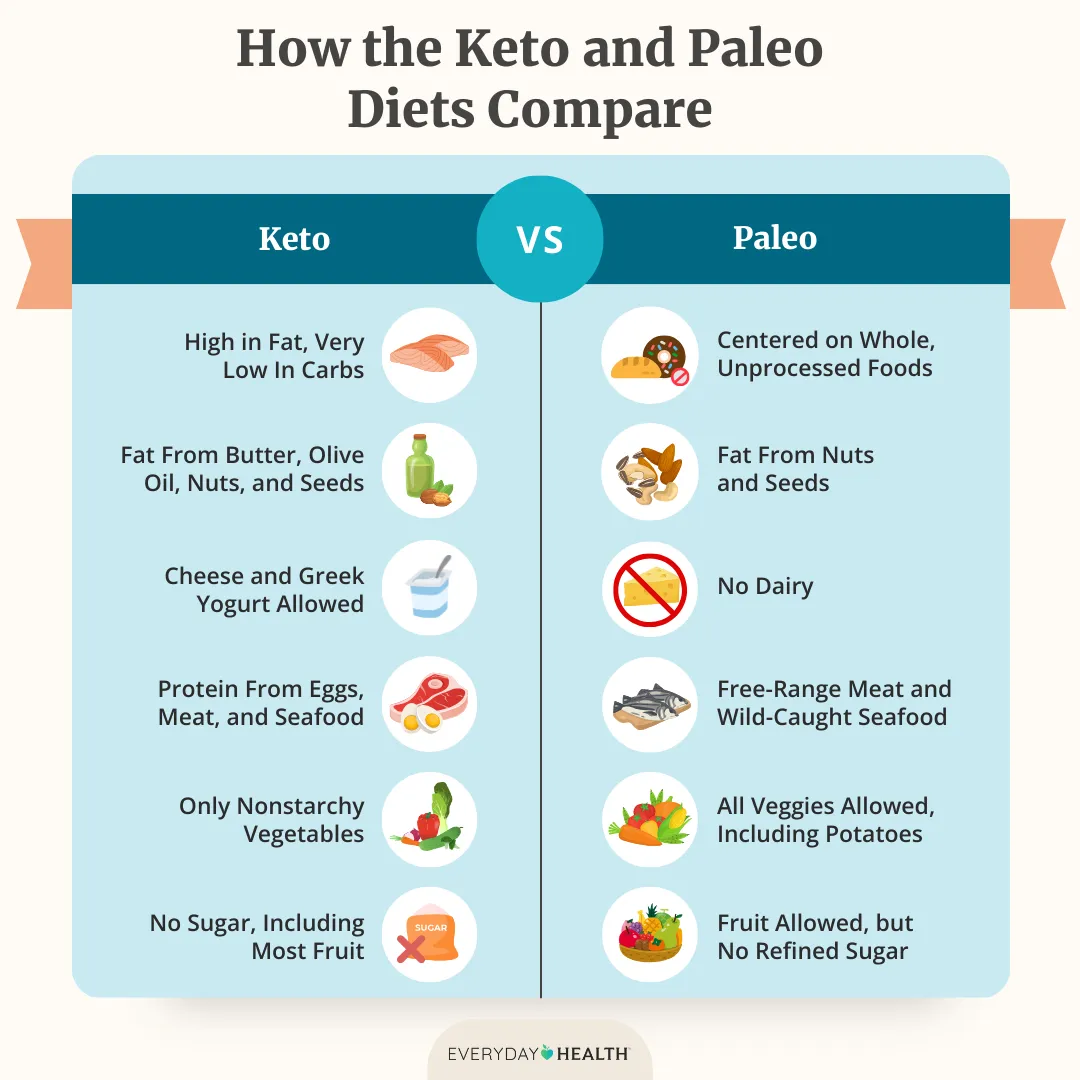
Paleo vs. Keto: A Comparative Overview (2026)
| Category | Paleo | Keto |
|---|---|---|
| Carbohydrate Intake | Varies, typically 50-150 grams/day | Very low, typically 20-50 grams/day |
| Protein Intake | Moderate, typically 15-30% of daily calories | Moderate, typically 20-25% of daily calories |
| Fat Intake | Moderate, typically 30-40% of daily calories | High, typically 70-80% of daily calories |
| Typical Macronutrient Ratio | Approximately 30-40% Carbohydrates, 30-40% Protein, 30-40% Fat | Approximately 5-10% Carbohydrates, 20-25% Protein, 70-80% Fat |
| Allowed Food Groups | Meat, fish, poultry, fruits, vegetables, nuts, and seeds | Meat, fish, poultry, eggs, healthy fats, non-starchy vegetables |
| Restricted Food Groups | Grains, legumes, dairy, processed foods, refined sugar | Grains, legumes, fruits (except small portions of berries), starchy vegetables, sugar, most processed foods |
Illustrative comparison based on the article research brief. Verify current pricing, limits, and product details in the official docs before relying on it.
Food Restrictions: What You’ll Be Missing
Both Paleo and Keto involve significant food restrictions, which can be a challenge for many people. Paleo eliminates grains (wheat, rice, corn), legumes (beans, lentils, peanuts), and dairy. This is based on the idea that these foods were not part of the ancestral human diet and can contribute to inflammation and digestive issues.
Keto's restrictions are even more sweeping. Almost all carbohydrates are off-limits, including starchy vegetables like potatoes, sweet potatoes, and most fruits. This includes foods often considered healthy in other diets. The goal is to maintain ketosis, and even small amounts of carbohydrates can disrupt that state.
The reasoning behind these restrictions differs. Paleo focuses on removing foods that are thought to be inflammatory or incompatible with human genetics. Keto aims to drastically reduce carbohydrate intake to force the body into a fat-burning state. These are different mechanisms, but both lead to a limited food selection.
It's important to consider the social implications of these restrictions. Dining out, attending social events, and even grocery shopping can become more complicated. Adherence requires careful planning and a willingness to explain your dietary choices to others. I've seen many people struggle with the social isolation that can sometimes accompany these diets.
Weight Loss: How Effective Are They?
Both Paleo and Keto can be effective for weight loss, but through different mechanisms. Keto induces ketosis, a metabolic state where the body burns fat for fuel. This leads to rapid weight loss, particularly in the initial stages, but a significant portion of this is water weight. Reducing carbohydrate intake inherently lowers insulin levels, which promotes fat burning.
Paleo promotes weight loss by eliminating processed foods, added sugars, and unhealthy fats. It emphasizes nutrient-dense whole foods, which are more satiating than processed options. This naturally leads to a reduction in calorie intake and improved metabolic function.
However, it’s crucial to remember that a calorie deficit is still the primary driver of weight loss, regardless of the diet. You can overeat on Paleo or Keto and still not lose weight. Both diets can help create a calorie deficit by increasing fullness and reducing cravings, but they aren’t magic bullets.
Sustainable weight loss is about long-term lifestyle changes. Keto's restrictiveness can make it difficult to maintain long-term, while Paleo's flexibility may make it more sustainable for some. A study published in the American Journal of Clinical Nutrition (2018) showed that both diets led to weight loss after six months, but adherence rates were higher in the Paleo group.
- Keto: Weight loss through ketosis and reduced insulin.
- Paleo: Weight loss through whole foods, increased satiety, and reduced processed foods.
- Both: Require a calorie deficit for sustainable results.
Health Benefits Beyond Weight Loss
Beyond weight loss, both Paleo and Keto offer potential health benefits. Paleo’s emphasis on nutrient-dense whole foods can improve overall health and reduce the risk of chronic diseases. The diet is rich in vitamins, minerals, and antioxidants, supporting immune function and reducing inflammation.
Keto has shown promise in managing certain neurological conditions, particularly epilepsy. It was originally developed as a treatment for epilepsy in children and remains a viable option for those who don’t respond to medication. There’s also growing research into Keto’s potential benefits for Alzheimer’s disease and other neurodegenerative disorders, though more research is needed.
Both diets can positively impact blood sugar control. Keto, by limiting carbohydrates, can help stabilize blood sugar levels and improve insulin sensitivity. Paleo, by eliminating processed foods and added sugars, can also contribute to better blood sugar management. Studies suggest both can improve cholesterol levels, although the effects can vary depending on the types of fats consumed.
Gut health is another area where both diets can have an impact. Paleo’s focus on fiber-rich fruits and vegetables supports a healthy gut microbiome. Keto, while initially disruptive to the gut microbiome, can promote the growth of beneficial bacteria when adapted properly. A diverse microbiome is linked to improved immune function, digestion, and overall health.
Paleo vs Keto: Practicality and Sustainability
Assessing the practicality and sustainability of each diet is essential. Paleo is generally considered more flexible and easier to maintain long-term. It allows for a wider variety of foods and doesn’t require the strict carbohydrate restriction of Keto. This makes it easier to eat out, travel, and adhere to social situations.
Keto, with its stringent rules, can be challenging to follow consistently. It requires careful meal planning, precise macronutrient tracking, and a willingness to forgo many common foods. The “keto flu,” a set of flu-like symptoms experienced during the initial adaptation phase, can also be discouraging.
Cost is another factor. Both diets can be expensive, especially if you prioritize high-quality meats, fish, and healthy fats. Grass-fed beef, wild-caught salmon, and avocados can significantly increase your grocery bill. Paleo may be slightly more affordable, as it allows for more plant-based protein sources like nuts and seeds.
Eating out and traveling can be difficult on both diets, but Keto presents more challenges. Finding Keto-friendly options at restaurants can be limited, and it requires careful attention to hidden carbohydrates in sauces and dressings. Paleo is often easier to navigate, as many restaurants offer grilled meats and vegetables.
- Paleo: More flexible, easier to maintain, potentially more affordable.
- Keto: More restrictive, challenging to maintain, potentially more expensive.
Essential Tools and Treats for Your Paleo or Keto Journey

Plant-based protein bar sampler with 7 bars · Keto, vegan, high fiber, gluten-free, dairy-free, and low sugar · Contains brain and body nutrients for focus and energy
This product offers a convenient and compliant snack option for those following a Paleo or Keto diet, providing essential nutrients for focus and energy.

Comprehensive guide for beginners to the ketogenic lifestyle · Covers essential information for starting and maintaining a keto diet · Aims to help readers live the keto lifestyle effectively
This book provides essential guidance for individuals new to the ketogenic diet, making it easier to understand and implement for weight loss and health benefits.
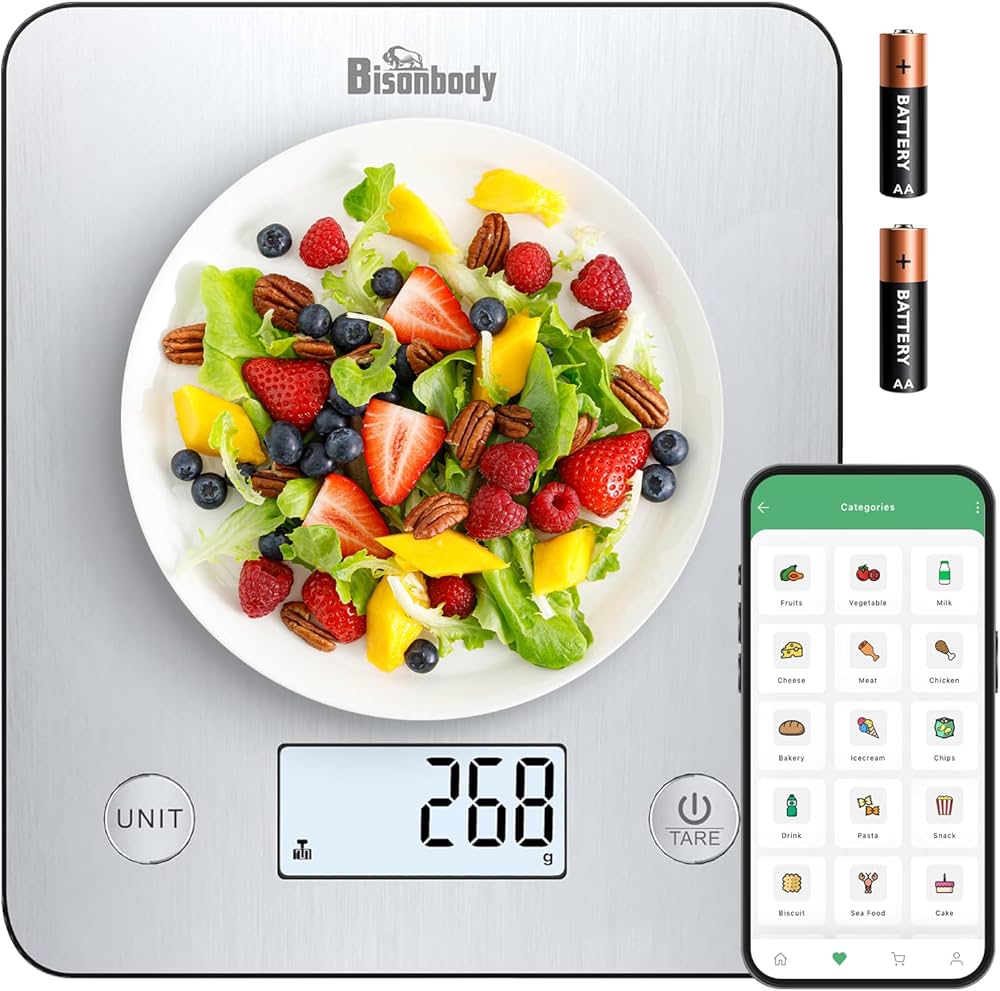
Accurate digital kitchen scale for precise food measurement · Essential for tracking macronutrients in various diets · Helps in portion control and dietary adherence
A digital kitchen scale is crucial for accurately tracking macronutrients, which is vital for success on both Paleo and Keto diets.
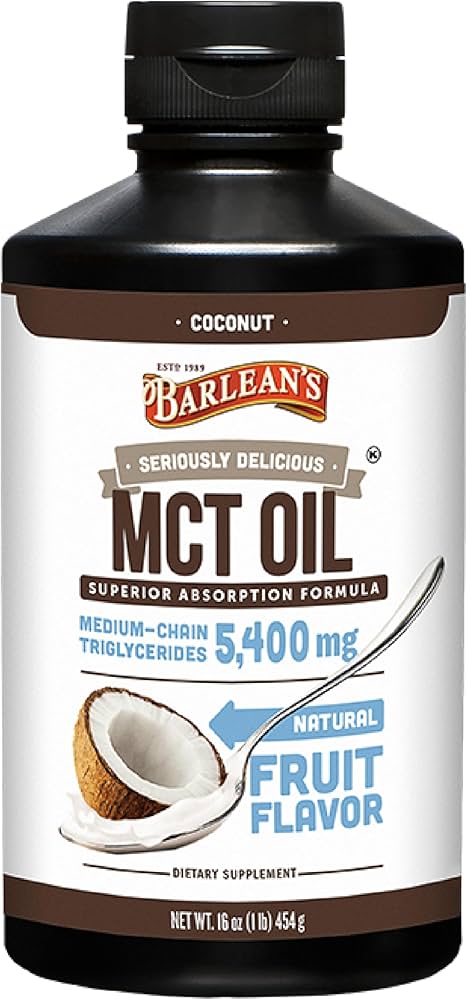
Pure MCT oil supplement · Supports ketogenic goals by providing quick energy · Aids in fat metabolism and cognitive function
MCT oil is a popular supplement for ketogenic dieters, offering a readily available energy source and supporting metabolic functions.
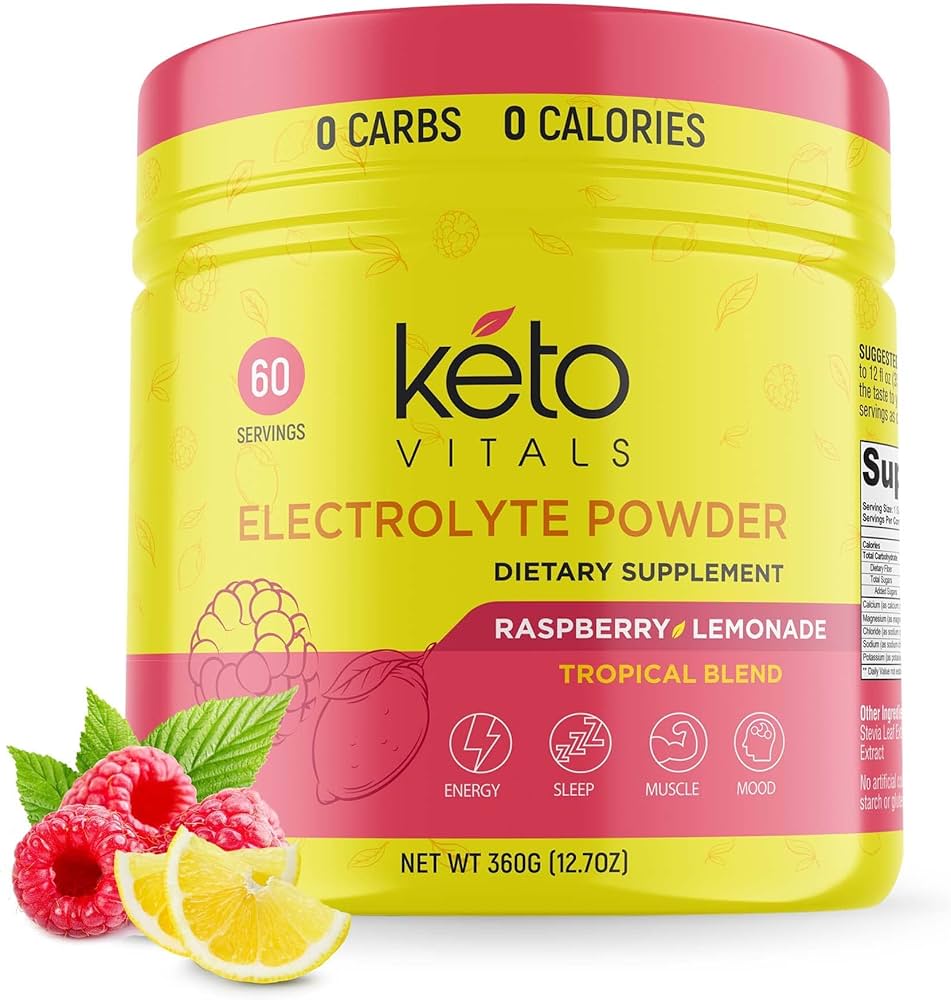
Electrolyte powder designed for low-carb diets · Helps replenish essential minerals lost on restrictive diets · Aids in preventing common side effects like 'keto flu'
Electrolyte powder is recommended to help mitigate potential mineral deficiencies and common side effects associated with low-carbohydrate and ketogenic diets.
As an Amazon Associate I earn from qualifying purchases. Prices may vary.
Who Should (and Shouldn’t) Try Each Diet
Paleo might be a good fit for individuals with autoimmune conditions, food sensitivities, or digestive issues. The elimination of grains, legumes, and dairy can reduce inflammation and improve gut health. It’s also a good option for those who want a generally healthy and sustainable eating pattern.
Keto may be beneficial for people with insulin resistance, type 2 diabetes, or neurological disorders like epilepsy. It can improve blood sugar control, reduce inflammation, and potentially protect against neurodegenerative diseases. However, it’s crucial to consult with a healthcare professional before starting Keto, especially if you have any underlying health conditions.
Certain individuals should avoid Keto. People with kidney problems should avoid it due to the high protein and fat intake. Pregnant or breastfeeding women should also avoid Keto, as the effects on fetal development are not well understood. Those with a history of eating disorders should approach Keto with extreme caution.
Paleo may not be suitable for individuals with certain nutrient deficiencies or those who have difficulty digesting large amounts of fiber. People with a history of anemia should ensure they are getting enough iron from non-heme sources. As always, consulting with a healthcare professional is recommended before making any significant dietary changes.
Hybrid Approaches: The Best of Both Worlds?
Many people find success by combining elements of Paleo and Keto. A “Paleo-ish Keto” approach might allow for small amounts of white rice or potatoes, providing some carbohydrates for energy without completely derailing ketosis. This can make the diet more sustainable and enjoyable.
Cyclical Keto, where you alternate between periods of strict Keto and periods of higher carbohydrate intake, is another option. This can help replenish glycogen stores and improve athletic performance. Targeted Keto involves consuming carbohydrates around workouts to fuel activity.
The key is to find what works best for your individual needs and preferences. There’s no one-size-fits-all answer. Experimenting with different approaches and listening to your body is crucial. The goal isn’t to rigidly adhere to a set of rules, but to create a sustainable eating pattern that supports your health and well-being.
Ultimately, both Paleo and Keto offer valuable principles for improving health. By understanding the core concepts of each diet and adapting them to your individual circumstances, you can create a personalized eating plan that helps you achieve your goals.
No comments yet. Be the first to share your thoughts!