
Paleo vs keto: core philosophy
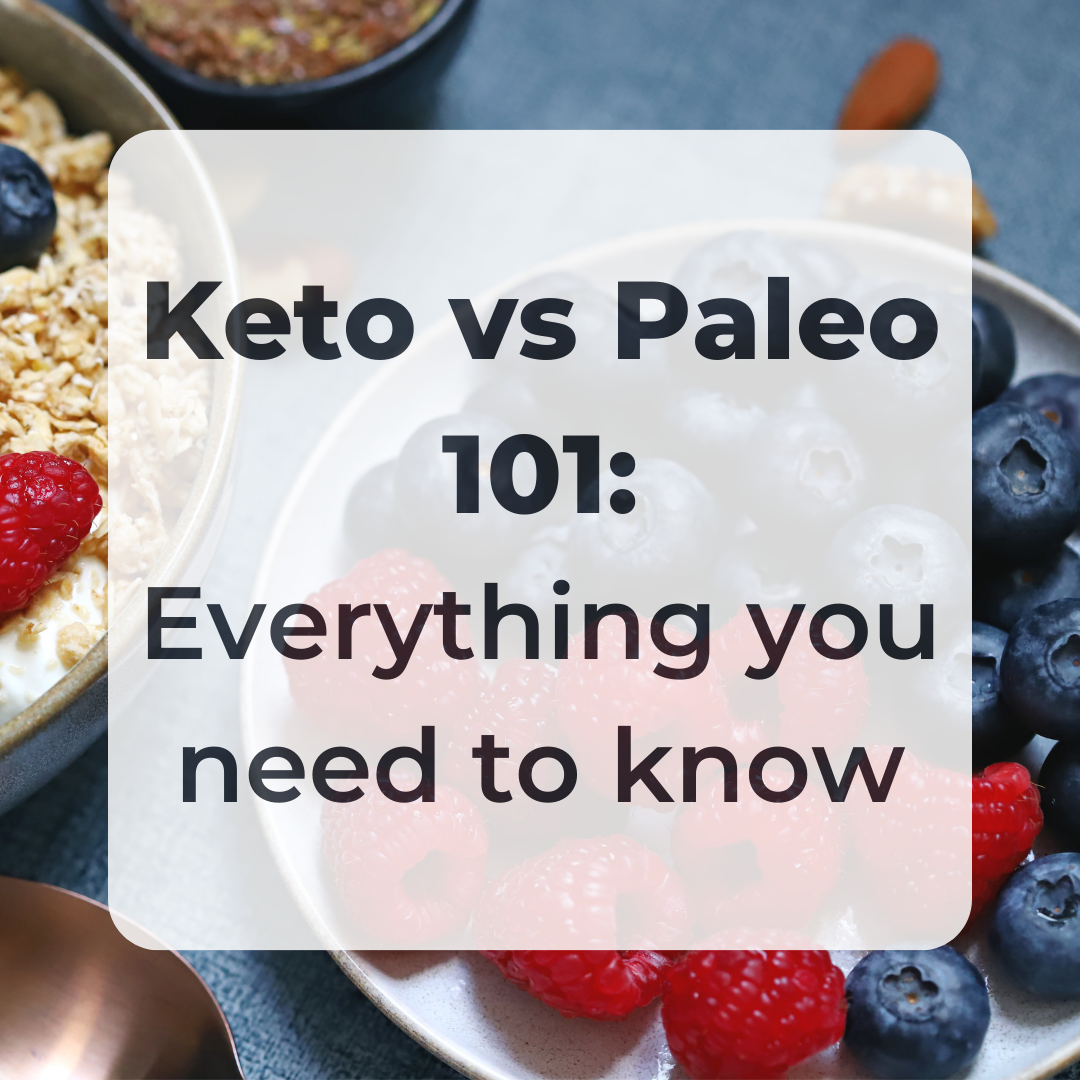
Both the paleo and keto diets share a common foundation: they eliminate grains, legumes, refined sugars, and highly processed foods. This overlap often leads to confusion, but the underlying goals differ significantly. Paleo focuses on food quality and evolutionary alignment, while keto targets a specific metabolic state known as ketosis.
The paleo diet is built on the premise that modern humans thrive on foods available to our hunter-gatherer ancestors. It prioritizes whole, unprocessed ingredients like meat, fish, eggs, vegetables, fruits, nuts, and seeds. The goal is to reduce inflammation and improve overall health by mimicking ancestral eating patterns. There are no strict macronutrient ratios; instead, the emphasis is on what you eat, not how much of each macro.
Keto, on the other hand, is a high-fat, very low-carbohydrate diet designed to shift the body’s fuel source from glucose to fat. By restricting carbohydrates to typically under 50 grams per day, the body enters ketosis, a state where it burns fat for energy. This metabolic shift is the primary objective, making keto more about macronutrient manipulation than food sourcing alone.
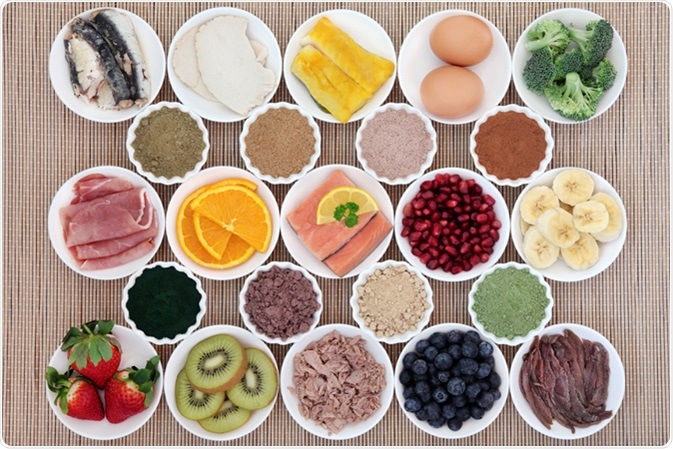
For meal prep, this difference changes how you plan your week. Paleo prep involves selecting fresh, diverse ingredients and cooking them simply. Keto prep requires careful tracking of fats, proteins, and carbs to maintain ketosis. Understanding this core philosophy helps you choose the right approach for your lifestyle and health goals.
Macro Breakdown and Food Choices
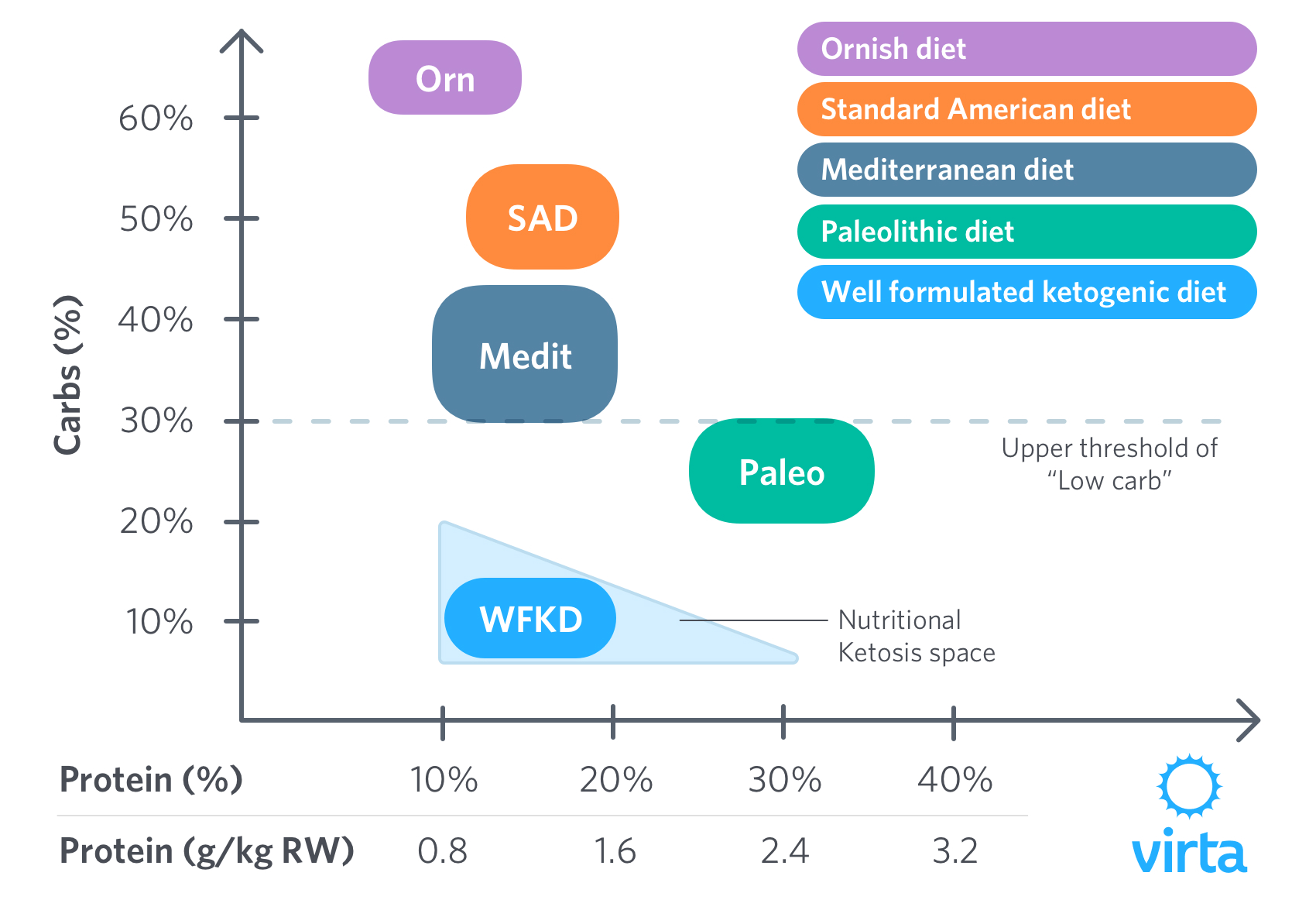
The primary difference between the Paleo and Keto diets lies in how they structure macronutrients to achieve their respective goals. Keto relies on strict macronutrient ratios to force the body into ketosis, while Paleo focuses on food quality and elimination of processed items, resulting in a more moderate macronutrient profile.
For meal preppers, this distinction dictates your pantry. Keto requires high-fat ingredients like oils, avocados, and fatty cuts of meat to hit the 70% fat target. Paleo allows for more carbohydrate sources like root vegetables, tubers, and fruits, capping fat intake at roughly 35% of total calories. This makes Paleo generally easier to sustain for those who miss grains or starches, whereas Keto demands rigorous tracking of fat grams.
The table below summarizes the core differences in allowed foods and macronutrient targets.
| Category | Keto | Paleo | Meal Prep Note |
|---|---|---|---|
| Primary Goal | Ketosis | Whole Foods | Keto tracks ratios; Paleo tracks quality. |
| Fat Intake | ~70% of calories | ~35% of calories | Keto requires added fats like oils or butter. |
| Carbs Intake | <5% of calories | ~30-40% of calories | Paleo allows sweet potatoes and fruits. |
| Dairy | Allowed (full fat) | Usually excluded | Keto uses cream; Paleo uses coconut milk. |
| Grains & Legumes | Strictly excluded | Strictly excluded | Both diets eliminate these entirely. |
| Starchy Vegetables | Excluded | Allowed | Paleo preppers often meal prep with squash. |
How to prep meals for each diet
Meal prepping for Paleo and Keto requires different approaches because the ingredients and storage needs diverge significantly. Keto relies heavily on fats and proteins that stay fresh for days, while Paleo’s emphasis on fresh vegetables and lean meats often demands more frequent cooking or careful freezing strategies. Understanding these structural differences helps you build a weekly workflow that fits your schedule.
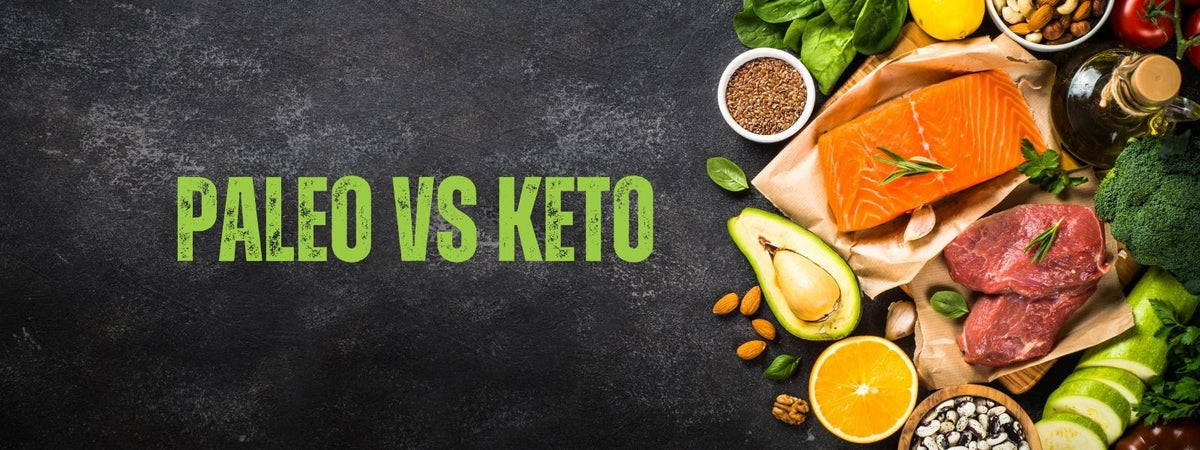
Keto meal prep centers on high-fat proteins like salmon, steak, or eggs. These items hold up well in the refrigerator for 3–4 days. For Paleo, focus on leaner proteins like chicken breast or turkey. These cook quickly but can dry out if reheated improperly, so portion them with healthy fats like olive oil or avocado slices to maintain moisture.
Both diets restrict starchy carbs, but Paleo allows for a wider variety of non-starchy vegetables like sweet potatoes (in moderation) and leafy greens. Keto sticks strictly to cruciferous vegetables like broccoli, cauliflower, and zucchini. Pre-chop these veggies on Sunday. Store them in airtight containers with a paper towel to absorb excess moisture, which prevents sogginess and extends their crispness through the week.
Keto snacks are often calorie-dense and portable, such as nuts, cheese sticks, or boiled eggs. These require little to no prep after initial purchase. Paleo snacks lean toward fresh fruit, jerky, or homemade energy balls made with dates and nuts. Because fresh fruit browns quickly, prep these closer to consumption time or choose harder fruits like apples and pears that hold their structure longer in lunchboxes.
A simple checklist can help you decide which workflow suits your lifestyle best. If you prefer minimal cooking and high-fat convenience, Keto’s batch-cooking model may be easier. If you enjoy incorporating fresh produce and variety into your daily meals, Paleo’s flexible but fresh-focused approach might be more satisfying.
Sample one-day meal plan
Here is a concrete example of how a Paleo-focused day looks when applied to meal prep. This plan prioritizes whole foods, lean proteins, and healthy fats while strictly avoiding grains, legumes, and refined sugars. The goal is to provide sustained energy without the blood sugar spikes associated with processed carbohydrates.
The lunch option below serves as a practical template for batch cooking. It relies on ingredients that hold up well in the refrigerator for several days, making it ideal for busy workweeks.
For breakfast and dinner, stick to simple preparations like eggs with spinach or baked salmon with roasted asparagus. This approach keeps carb intake low while ensuring you get enough fiber from vegetables to support digestion.
Common Questions About Diet Choice
Choosing between paleo and keto often comes down to how these diets interact with specific health markers and daily habits. While both approaches emphasize whole foods, their structural rules create different outcomes for blood sugar management and nutritional balance.
Will a keto diet lower my A1C?
The ketogenic diet restricts carbohydrates to force the body into ketosis, a metabolic state where fat becomes the primary fuel source. Research indicates that long-term low-carbohydrate diets can have a favorable impact on glycemia and A1C reduction. For individuals managing blood sugar levels, this strict carbohydrate limitation often leads to more stable glucose readings compared to standard high-carb diets.
What are three disadvantages of the paleo diet?
While paleo focuses on whole, unprocessed foods, it comes with specific constraints that can complicate meal prep. First, the diet restricts dairy products, which removes a common source of calcium and convenient protein like yogurt or cheese. Second, it often suggests generous amounts of saturated fats and high intake of red meat, which some health guidelines advise monitoring. Finally, the segmentation of "good" and "bad" foods can make social dining and grocery shopping more rigid compared to the more flexible keto approach.
Is paleo easier to follow than keto?
Paleo is generally considered easier to follow for those who dislike counting macros. You simply avoid processed grains, sugars, and dairy. Keto, however, requires strict tracking of macronutrients to maintain ketosis, often needing 70-75% of calories from fat. For meal preppers, paleo offers more variety in vegetable choices and lean proteins without the need for precise fat-to-protein ratios.
No comments yet. Be the first to share your thoughts!