

Paleo Prep: Reclaim Your Week
Life is busy. Consistently eating healthy, especially with a paleo lifestyle focused on whole, unprocessed foods, can feel impossible. Paleo meal prep offers a solution, allowing you to save significant time during the week through strategic planning and cooking, rather than spending your entire weekend in the kitchen.
Consider the time spent deciding meals, mid-week grocery runs, or ordering takeout due to exhaustion. Paleo meal prep reclaims your time and reduces stress by providing delicious, nourishing meals ready when you need them. It's a sustainable approach to eating well, not a restrictive diet.
The paleo diet emphasizes lean proteins, fruits, vegetables, nuts, and seeds, while excluding grains, legumes, dairy, and processed foods. Once you get the hang of it, it's quite liberating. With a little planning, you can enjoy paleo's benefits without sacrificing time, potentially saving 5+ hours weekly through organization.
Lack of convenience often hinders consistency when starting paleo. Meal prep bridges this gap, making it easier to stick to goals. It's an investment in health and well-being that pays off. Don't think you don't have time to prep – you don't have time not to.
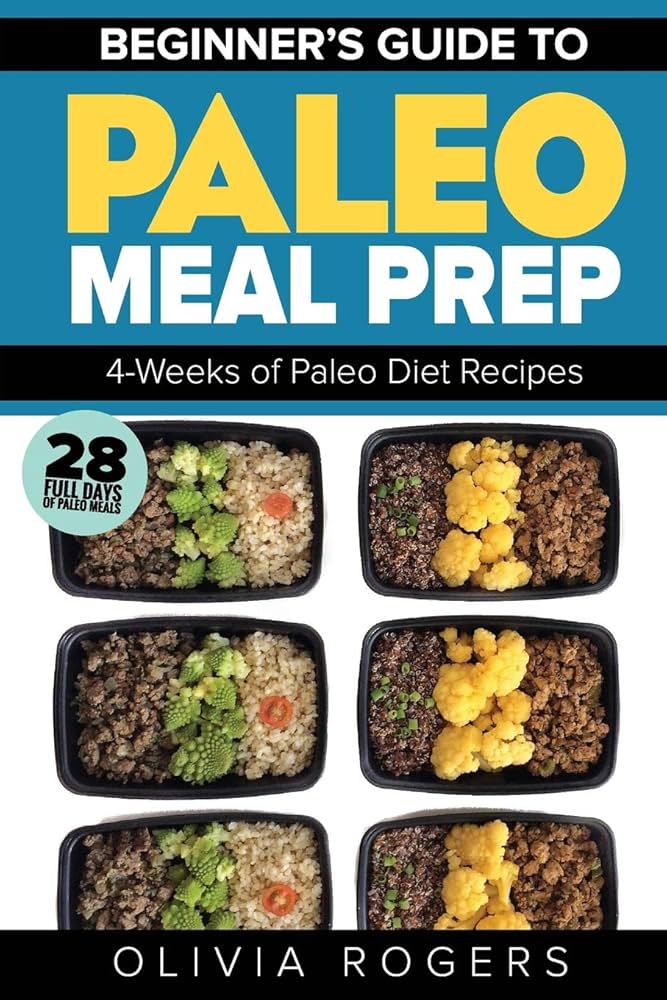
The Paleo Pantry: Stocking for Success
A well-stocked paleo pantry is essential for successful meal prep. Having ingredients on hand is as important as knowing what to cook. Start with proteins like grass-fed beef, pasture-raised chicken, wild-caught salmon, and pork, which are building blocks for many flexible paleo meals.
Focus on produce: leafy greens (spinach, kale, romaine), colorful vegetables (broccoli, carrots, bell peppers), and fruits (berries, apples, bananas). Frozen vegetables are a nutritious and time-saving option, especially off-season. Good quality produce significantly impacts meal flavor.
Essential healthy fats include avocados, olive oil, coconut oil, nuts, and seeds for sustained energy and health. Macadamia nuts make a satisfying snack, and avocado oil is good for high-heat cooking. Stock almond flour and coconut flour for grain-free baking alternatives.
Source ingredients from local farmers’ markets, health food stores, and reputable online retailers. Prioritize grass-fed and pasture-raised meat for more humane conditions and richer nutrients. Investing in quality ingredients benefits your health.
- Proteins: Grass-fed beef, pasture-raised chicken, wild-caught salmon, pork
- Produce: Leafy greens, colorful vegetables, berries, apples, bananas (fresh and frozen)
- Healthy Fats: Avocados, olive oil, coconut oil, nuts, seeds
- Pantry Staples: Almond flour, coconut flour, spices, herbs
Batch Cooking Basics: The Core Techniques
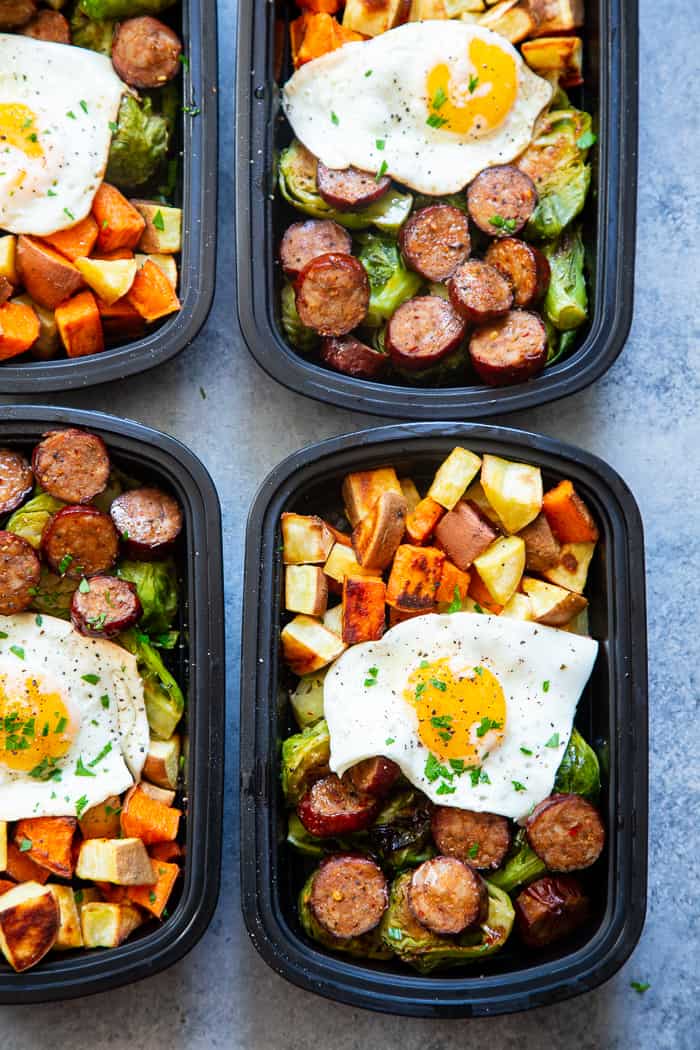
Batch cooking, the core of paleo meal prep, involves cooking large quantities at once for weekly portioning. Roasting vegetables like broccoli, sweet potatoes, and Brussels sprouts with olive oil, salt, and pepper at 400°F (200°C) until caramelized creates a versatile side dish for multiple meals.
Cook proteins in bulk: roast a whole chicken or bake chicken breasts. Brown a large batch of ground beef for versatile use in taco bowls, shepherd's pie, or lettuce wraps. Bake or pan-sear salmon, a good source of omega-3s. Slow cookers or Instant Pots offer convenient, hands-off cooking when time is limited.
Make your own paleo-friendly sauces and dressings for a healthier alternative to store-bought options. A simple vinaigrette with olive oil, lemon juice, and herbs works for salads, while cashew cream or avocado pesto adds flavor to other dishes. Maximize efficiency by roasting other items while the oven is in use.
Dedicate a specific time each week for meal prep, such as Sunday afternoons. Start by prepping all vegetables at once – chopping, peeling, and dicing. Then, cook proteins and make sauces. Minimize cleanup by using equipment for multiple tasks. This upfront effort yields significant payoff.
- Roast Vegetables: Broccoli, sweet potatoes, Brussels sprouts
- Cook Proteins in Bulk: Chicken, ground beef, salmon
- Make Paleo Sauces: Vinaigrette, cashew cream, avocado pesto
- Prep Vegetables First: Chop, peel, and dice everything at once
7 Days, 5 Dinners: A Sample Meal Plan
This sample 7-day paleo meal plan includes 5 dinners designed for batch cooking, repurposing ingredients to minimize waste and save time. The plan assumes main cooking on Sunday, with leftovers for lunches and some dinners. Recipes are kept simple and approachable.
Sunday: Roast Chicken with Roasted Vegetables (broccoli, carrots, sweet potatoes). Nutritional Info (per serving): 450 calories, 35g protein, 25g fat, 20g carbs. Save leftover chicken and vegetables for Wednesday’s dinner. Monday: Salmon with Asparagus and a side salad. Nutritional Info (per serving): 500 calories, 40g protein, 30g fat, 10g carbs. Tuesday: Ground Beef and Sweet Potato Shepherd’s Pie. Nutritional Info (per serving): 400 calories, 30g protein, 20g fat, 25g carbs.
Wednesday: Chicken and Vegetable Stir-fry (using leftover chicken and roasted vegetables). Nutritional Info (per serving): 350 calories, 30g protein, 15g fat, 20g carbs. Thursday: Pork Tenderloin with Roasted Brussels Sprouts and Apples. Nutritional Info (per serving): 420 calories, 38g protein, 22g fat, 15g carbs. Friday: Leftovers or a simple salad with grilled chicken. Saturday: Enjoy a paleo-friendly treat or dine out (making mindful choices).
Recipe: Ground Beef and Sweet Potato Shepherd’s Pie – Ingredients: 1 lb ground beef, 1 large sweet potato (mashed), 1 onion (diced), 1 cup chopped carrots, 1/2 cup chopped celery, 2 cloves garlic (minced), 1 tbsp olive oil, 1 tsp paprika, 1/2 tsp thyme, salt and pepper to taste. Instructions: Brown the ground beef with onion, carrots, and celery. Add garlic, paprika, and thyme. Simmer for 15 minutes. Top with mashed sweet potato and bake at 375°F (190°C) for 20 minutes. This plan is just a starting point. Feel free to swap out recipes and adjust portion sizes to fit your needs.
Containers & Storage: Keeping it Fresh
Proper storage keeps prepped paleo meals fresh. Glass containers are non-toxic, stain-resistant, and oven/microwave-safe. BPA-free plastic containers are affordable but require mindful use. Stainless steel containers are durable and sustainable, though not microwave-safe.
Allow meals to cool completely before sealing containers to prevent condensation and spoilage. Layer salads with dressing at the bottom to prevent wilting. Store cooked proteins and vegetables in airtight containers. Proper food handling prevents foodborne illness.
Cooked paleo meals generally last 3-4 days refrigerated. For week-long prep, freeze meals for up to 2-3 months. Label containers with the date. When in doubt, discard.
- Glass Containers: Non-toxic, oven-safe, microwave-safe
- BPA-Free Plastic Containers: Affordable, lightweight
- Stainless Steel Containers: Durable, sustainable
Food Storage Container Comparison for Paleo Meal Prep
| Material | Cost | Durability | Ease of Cleaning | Environmental Impact | Paleo Suitability |
|---|---|---|---|---|---|
| Glass | Generally more expensive upfront | Very Durable; resistant to scratches and breakage (especially tempered glass) | Easy to clean; non-porous and doesn't retain odors or stains | Highly recyclable, made from natural materials | Excellent; does not leach chemicals into food |
| Plastic (BPA-Free) | Least expensive upfront | Variable; can be brittle or prone to cracking, especially with repeated use | Generally easy to clean, but can stain or retain odors | Recyclability varies greatly by plastic type; contributes to plastic waste | Good, *if* BPA-free and food-grade. Avoid heating food in plastic. |
| Stainless Steel | Moderate to High | Extremely Durable; resistant to dents, rust, and corrosion | Easy to clean, but can sometimes require more effort for stuck-on foods | Highly recyclable; long lifespan reduces overall environmental impact | Excellent; inert and does not leach chemicals |
| Silicone (Food Grade) | Moderate | Flexible and relatively durable, but can tear or degrade over time | Easy to clean; dishwasher safe | Recyclability is limited, but more sustainable than single-use plastics | Good; considered safe for food storage, but ensure it's food-grade |
| Glass (Borosilicate) | Higher | Excellent; highly resistant to thermal shock and breakage | Easy to clean; non-porous | Highly recyclable | Excellent; ideal for both hot and cold food storage |
Illustrative comparison based on the article research brief. Verify current pricing, limits, and product details in the official docs before relying on it.
Beyond Dinner: Breakfast & Snacks
Extend paleo meal prep to breakfast and snacks for greater consistency. Egg muffins, made with whisked eggs, vegetables, and spices baked in a muffin tin, are a great make-ahead breakfast option.
Overnight oats with coconut milk and paleo toppings, or chia seed pudding made with chia seeds and coconut milk, offer quick breakfast alternatives. Keep paleo snacks like nuts, seeds, fruit, jerky, and hard-boiled eggs on hand.
Pre-portioning snacks, like measuring out a serving of nuts into a small container, helps with mindful eating and avoids overeating. A well-stocked snack drawer can prevent impulsive choices when cravings strike.
undefined on track with my paleo diet. It prevents me from making impulsive decisions when I’m hungry and short on time. A little planning goes a long way.
- Breakfast: Egg muffins, overnight oats (coconut milk), chia seed pudding
- Snacks: Nuts, seeds, fruit, jerky, hard-boiled eggs
Troubleshooting & Time Savers
Let’s be honest, paleo meal prep isn’t always smooth sailing. You might encounter challenges like lack of time, picky eaters, or getting bored with the same meals. If time is a constraint, don’t be afraid to use pre-chopped vegetables or pre-cooked proteins. It’s okay to take shortcuts when necessary. It's about progress, not perfection.
For picky eaters, involve them in the meal planning process. Let them choose some of the recipes or ingredients. You can also try to sneak in extra vegetables by pureeing them into sauces or adding them to ground meat dishes. Don’t give up – it might take some experimentation to find what works.
To combat boredom, rotate your recipes regularly. Try new spices and herbs to add flavor. Experiment with different cooking methods. And don’t be afraid to get creative! Doubling recipes is a great way to save time and ensure you have leftovers for lunches or future meals. Remember, even small changes can make a big difference.
If you’re feeling overwhelmed, start small. Don’t try to prep all your meals for the entire week at once. Begin with just a few dinners and gradually add more as you get comfortable. It’s a process, and it’s okay to take it one step at a time. Don't get discouraged if things don't go perfectly the first time – learn from your mistakes and keep going.
Paleo Meals Direct: Your Shortcut to Success
If the thought of all this meal prep still feels daunting, remember there's another option. Paleo Meals Direct offers convenient, pre-made paleo meals delivered right to your door. We take the stress out of healthy eating, so you can focus on enjoying your life. Our meals are made with high-quality ingredients and are designed to be both delicious and nutritious.
We understand that everyone's lifestyle is different. Some people have the time and energy to meal prep, while others simply don’t. Paleo Meals Direct is the perfect solution for those who want to eat paleo without the hassle. It’s a great way to stay on track with your diet, even when you’re busy or traveling.
And for a limited time, you can get 10% off your first order with your exclusive code, found on our Facebook page (@PaleoMealsDirect). It’s a fantastic opportunity to try our meals and see how much time and effort they can save you. Check us out at paleomealsdirect.com and reclaim your week today.
No comments yet. Be the first to share your thoughts!