

Plan for five days, not seven
The biggest mistake people make with Paleo meal prep is trying to survive the entire week with one cooking session. It sounds efficient until Wednesday hits, your fridge is full of leftover chicken that has lost its flavor, and you are too tired to cook but too hungry to eat cold salad. Limiting your prep window to five days changes the math. You cook less food, you eat it while it is fresh, and you spend less time staring at the fridge wondering what to throw away.
This approach reduces cognitive load significantly. Instead of managing a complex seven-day rotation, you focus on two solid days of preparation: Sunday and Wednesday. Sunday sets the foundation for Monday through Wednesday, while Wednesday’s session covers Thursday and Friday. This split ensures that the proteins and vegetables you eat later in the week still have texture and taste, rather than turning into mush after four days in a glass container.
Stick to a 5-day window to avoid fridge fatigue and food waste.
The waste reduction is immediate. When you know you only need to prep for five days, you buy smaller quantities of perishable items like leafy greens, berries, and fresh herbs. These ingredients often spoil before the weekend if you prep for a full seven days. By aligning your shopping list with a five-day horizon, you keep your grocery bill lower and your fridge cleaner.
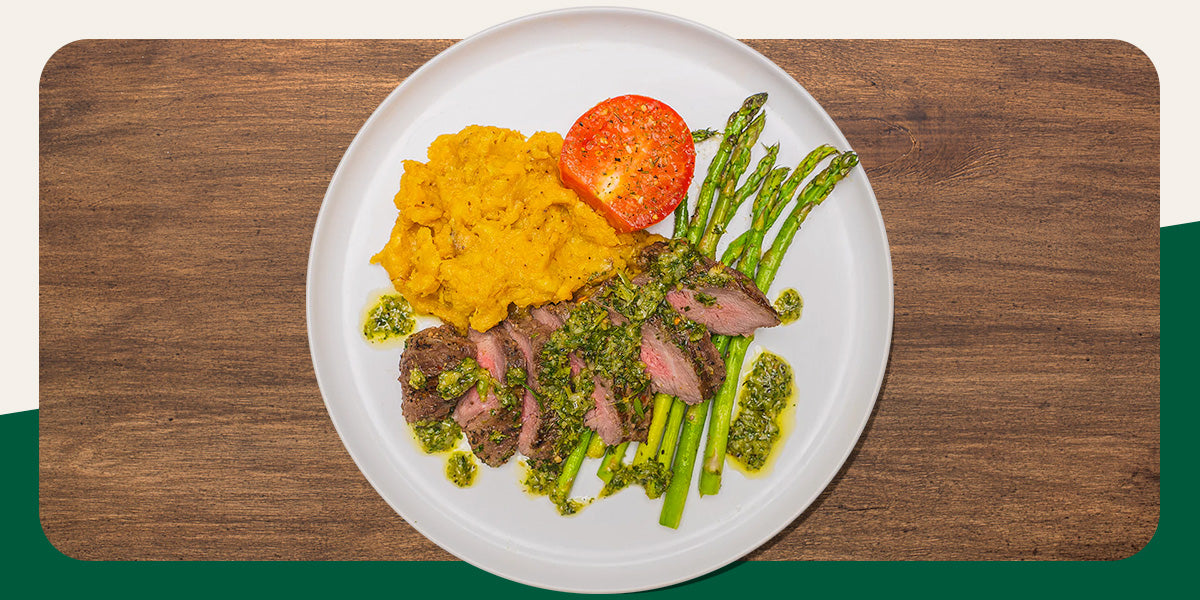
This strategy also protects your high-protein goals. Paleolithic diets rely heavily on meat, eggs, and fish. These proteins degrade in quality faster than dry goods like rice or oats. Eating them within 48 to 72 hours of cooking ensures you get the maximum nutritional benefit and flavor. If you find yourself tempted to stretch the prep to six or seven days, remember that the slight extra effort of a mid-week cook session is worth the difference in quality.
-
Buy proteins and veggies for Sunday-Wednesday on Sunday.
-
Buy proteins and veggies for Thursday-Friday on Wednesday.
-
Store leafy greens separately from cooked proteins.
-
Label containers with the day they should be eaten.
-
Freeze any extra portions immediately if you overcooked.
Make-ahead breakfast bowls
Starting the day with a balanced, high-protein meal doesn't require standing over a hot stove. Paleo breakfast meal prep bowls offer a scalable solution that fits into a busy morning routine. By assembling ingredients like sweet potatoes, eggs, and lean meats in advance, you create a foundation for five days of consistent energy without the daily decision fatigue.
The secret to these bowls lies in component cooking. Instead of preparing one complex dish, you cook the base, the protein, and the vegetables separately. This method prevents sogginess and allows you to reheat only what you need. It also keeps the texture of the roasted vegetables crisp rather than mushy, which is often the downfall of standard meal prep.
Below is a complete recipe for a versatile sweet potato and sausage bowl. It is designed to be Whole30 compliant, dairy-free, and rich in protein to keep you full until lunch.
Assembly and Storage Tips
To keep these bowls fresh for the full five days, let the roasted components cool completely before sealing the containers. Trapped steam creates condensation, which turns crisp roasted vegetables soggy within hours. If you prefer a warmer texture, you can add the eggs after reheating, or swap the hard-boiled eggs for scrambled eggs cooked fresh each morning.
These bowls are highly adaptable. You can substitute the chicken sausage with ground turkey, beef, or a plant-based paleo alternative. The base can also shift from sweet potatoes to butternut squash or cauliflower rice depending on your carbohydrate preferences. The key is maintaining the ratio of protein to vegetables to ensure satiety.
Sheet pan dinners for speed
Sheet pan dinners are the backbone of efficient Paleo meal prep. By roasting protein and vegetables on a single tray, you minimize active cooking time and reduce cleanup to just one dish. This method keeps the kitchen cool and the process simple, allowing you to prepare five days of high-protein lunches and dinners in under an hour.
The secret lies in high heat and proper spacing. Roasting at 400°F (200°C) caramelizes natural sugars in vegetables like broccoli, bell peppers, and sweet potatoes, creating depth of flavor without processed sauces. Pair these with lean proteins such as chicken thighs, salmon fillets, or ground turkey seasoned with olive oil, garlic, and herbs. The dry heat concentrates flavors while keeping the meat juicy.
Start by cutting vegetables into uniform sizes so they cook evenly alongside the protein. Toss everything in a light coating of avocado oil or olive oil, then spread the ingredients in a single layer. Crowding the pan steams the food instead of roasting it, which can lead to soggy textures. If you are making multiple batches, use two pans or cook in stages to ensure every piece gets crispy edges.
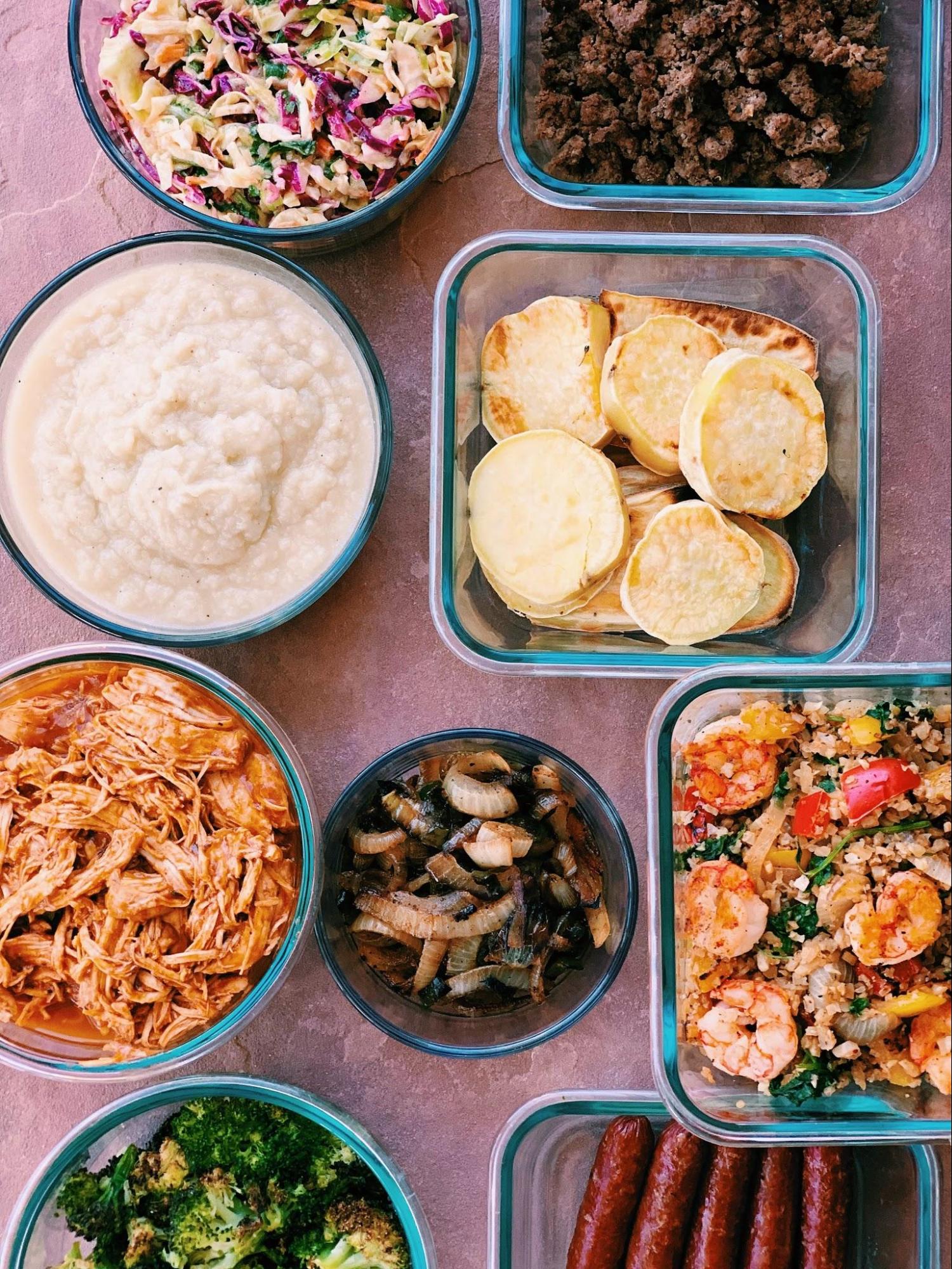
Wash and chop your vegetables into bite-sized pieces. Pat your chicken, fish, or turkey dry to ensure proper browning. Season the protein generously with salt, pepper, and Paleo-friendly spices like paprika or rosemary. Avoid marinades with sugar or soy sauce, which can burn at high temperatures.
Line a large baking sheet with parchment paper or foil for easy cleanup. Place the protein in the center and arrange the vegetables around the edges. Harder vegetables like carrots or potatoes should go on the bottom or near the heat source, while delicate items like zucchini or spinach can go on top or toward the back.
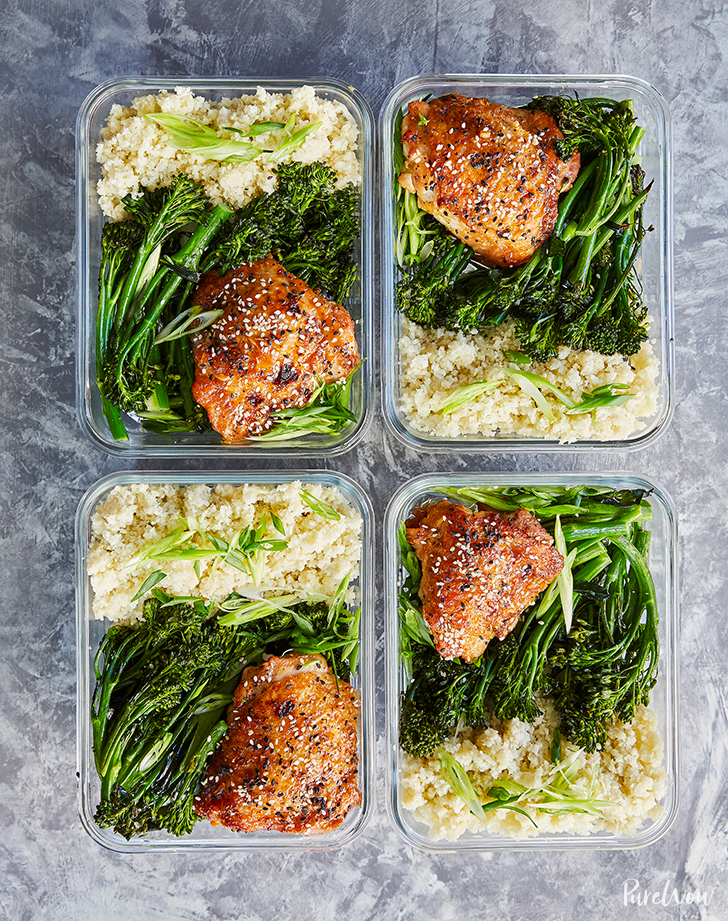
Place the pan in a preheated 400°F oven. Roast for 20–25 minutes for chicken breasts or white fish, or 25–30 minutes for thighs and ground meat. Check for doneness with a meat thermometer (165°F for poultry). The vegetables should be tender and slightly charred at the edges.
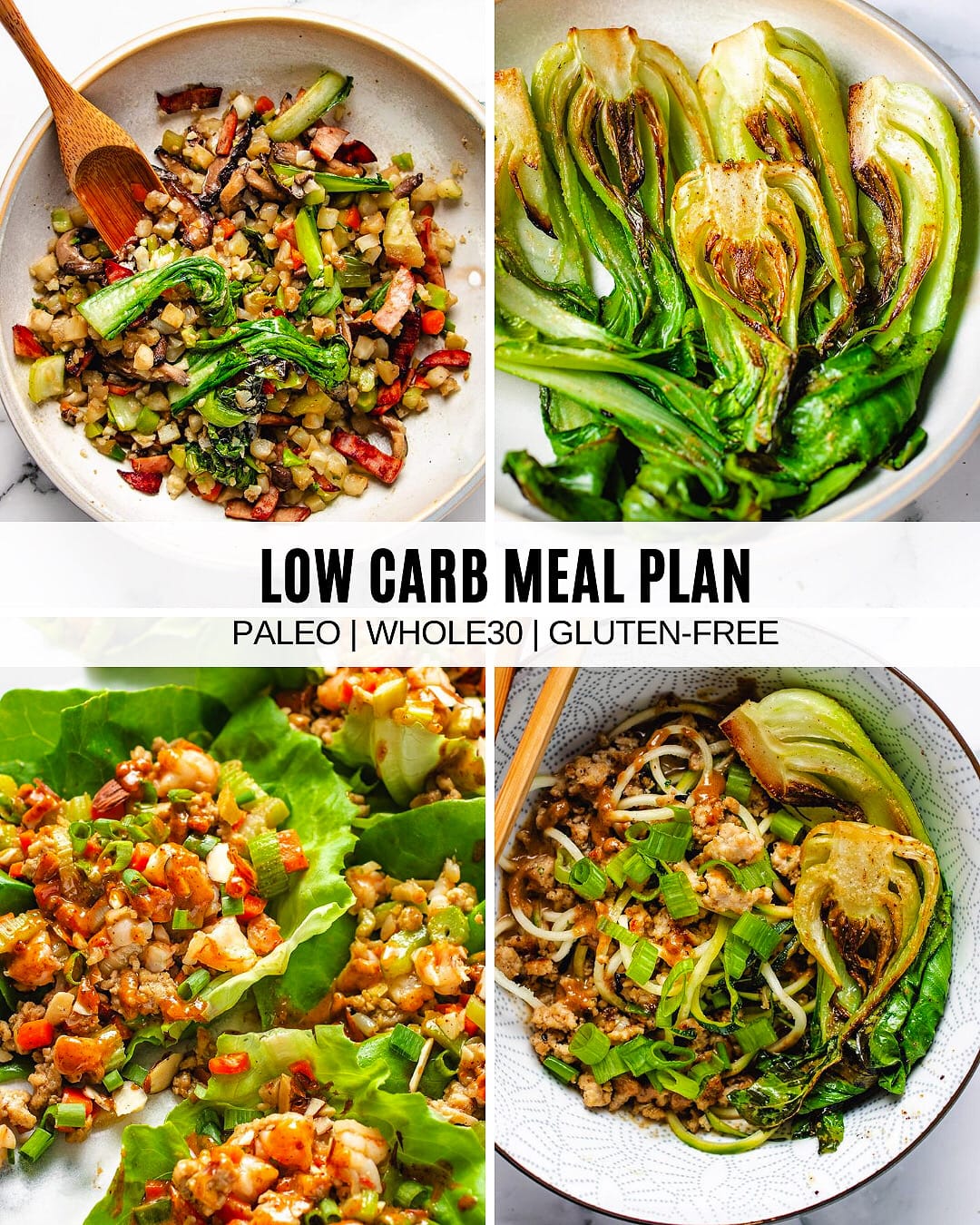
Let the food cool on the pan for 10 minutes to stop the cooking process. Portion the protein and vegetables into individual containers. Add a fresh side salad or a handful of nuts for extra crunch and healthy fats when you are ready to eat.
Simple Paleo Desserts
Craving something sweet doesn't mean breaking your Paleo meal prep routine. You can satisfy a sugar fix using whole-food ingredients that align with your dietary goals. These make-ahead options are designed to fit neatly into your weekly preparation, offering a guilt-free treat without the processed sugars or grains found in conventional baking.
The key is replacing refined sweeteners with natural alternatives like dates, maple syrup, or ripe bananas. This substitution changes the texture and flavor profile, often resulting in denser, richer desserts that pair well with the high-protein meals you've already prepped. Think of these desserts as functional snacks that provide energy rather than just empty calories.
Start with small-batch recipes that store well in the refrigerator or freezer. Chia seed puddings, almond flour cookies, and frozen banana "nice cream" are excellent candidates for batch cooking. By preparing these on your main meal prep day, you ensure you always have a healthy option available when cravings strike, keeping you on track with your Paleo meal prep schedule.
Common Paleo Prep Mistakes to Avoid
Even with the best meal prep recipes, execution errors can turn a week of healthy eating into a culinary disappointment. The most frequent culprit is overcooking vegetables. Paleo diets rely heavily on fresh produce, but steaming or roasting broccoli and carrots until they are mushy destroys their texture and nutrients. Aim for a slight crisp-tender bite; these veggies reheat beautifully and maintain their structural integrity in the fridge.
Another pitfall is neglecting flavor balance. Without the crutch of processed sauces or heavy dairy, bland meals are a real risk. Ensure every component has a layer of acidity or spice. A squeeze of lemon juice over roasted chicken or a dash of smoked paprika on cauliflower can transform a standard Paleo meal prep container into something you actually look forward to eating.
Finally, avoid storing sauces and dressings with the main meal components until serving time. Moisture is the enemy of crispness. Keep dressings in small separate containers or use a silicone liner in your meal prep box. This simple separation keeps your proteins and vegetables fresh for the full five days, ensuring your high-protein breakfasts and dinners remain appetizing from Monday through Friday.
Paleo diet questions answered
Meal prep often feels rigid, but the 85:15 rule offers a practical middle ground. This approach means sticking strictly to Paleo guidelines 85% of the time while allowing 15% flexibility for non-Paleo foods. This balance helps prevent burnout without completely eliminating beneficial food groups that might otherwise feel off-limits.
Health outcomes are another common concern. Research indicates that the Paleo diet can significantly lower triglyceride levels compared to other standard dietary recommendations. Studies show that participants following this eating pattern experienced greater reductions in triglycerides at both six and twenty-four months, alongside notable decreases in fat mass and waist circumference.
No comments yet. Be the first to share your thoughts!