

The core difference between keto and paleo
The primary distinction between keto and paleo comes down to what they prioritize: keto focuses on metabolic state, while paleo focuses on food quality. Keto is defined by specific macronutrient ratios designed to shift the body into ketosis, a state where fat becomes the primary fuel source. Paleo is defined by a list of allowed and forbidden foods, emphasizing whole, unprocessed ingredients similar to those eaten by hunter-gatherers.
Under a ketogenic diet, the rules are numerical. You typically limit carbohydrates to under 50 grams per day and increase fat intake to about 70-80% of your daily calories. The goal is to deplete glycogen stores so the liver produces ketones from fat. If you eat a paleo-style meal that includes a large serving of sweet potatoes or fruit, you might exceed the carbohydrate threshold required to maintain ketosis. In this case, you are eating paleo but not keto.
Conversely, the paleo diet does not track macros. You can eat unlimited amounts of paleo-approved foods, including healthy fats like avocados and nuts, as long as you avoid grains, legumes, dairy, and refined sugar. Because paleo eliminates many high-carb foods, it often naturally leads to lower carbohydrate intake, which can induce ketosis for some people. However, if you consume enough paleo-friendly fruits and starchy vegetables, you may remain in a non-ketogenic state while still adhering to paleo principles.
This overlap creates confusion. You can be both paleo and keto, but you do not have to be. Keto allows foods that paleo rejects, such as certain dairy products and low-carb sweeteners. Paleo rejects foods that keto might permit, such as alcohol and processed "keto-friendly" snacks that lack nutritional value. Understanding this boundary helps clarify which framework aligns with your dietary goals.
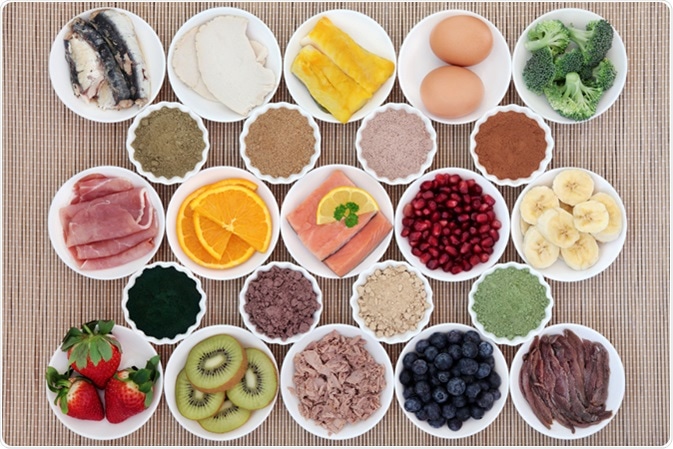
What you can eat on each diet
Comparing the food lists of keto and paleo reveals their fundamental divergence: one is quantitative, the other qualitative. Keto permits processed foods that fit its macro profile, while paleo restricts all foods based on their evolutionary history, regardless of their macronutrient content.
| Factor | What to check | Why it matters |
|---|---|---|
| Fit | Match the option to the primary use case. | A good deal still fails if it does not fit the job. |
| Condition | Verify age, wear, and service history. | Hidden condition issues erase upfront savings. |
| Cost | Compare purchase price with likely upkeep. | The cheapest option is not always the lowest-cost option. |
Weight loss and energy levels compared
Both diets can support weight loss, but they achieve it through different mechanisms and offer distinct energy profiles. Keto often produces rapid initial weight loss due to water weight depletion, while paleo tends to promote gradual, sustainable loss through improved food quality and reduced calorie density.
The simplest way to evaluate this is to write down your primary health goal first, then compare each option against those criteria before weighing secondary features.
Meal Prep and Daily Convenience
Sustainability in diet often comes down to daily effort. Keto and Paleo demand different types of work from the cook. One relies on strict math; the other on careful sourcing.
Keto is a tracking game. You must calculate macros for every meal to stay in ketosis. This means weighing food and reading labels constantly. It feels like a full-time job for your kitchen. However, the ingredients are often cheap and easy to find. Eggs, butter, and ground beef are staples in most grocery stores. Once you know your limits, the shopping list becomes predictable and short.
Paleo is a sourcing game. You cannot buy processed foods, which means you must prepare everything from scratch. This requires more time for chopping, cooking, and planning. The bigger hurdle is finding compliant ingredients. You need grass-fed meats, organic produce, and specific nuts and seeds. These items cost more and may not be in every local store. You might need to visit specialty markets or order online.
The choice depends on your tolerance for friction. If you prefer clear rules and cheap ingredients, Keto’s tracking is manageable. If you have the budget and time for fresh, whole foods, Paleo’s sourcing is worth it. Neither diet fits a life with zero planning time.
-
Do you want strict rules (Keto) or flexible whole foods (Paleo)?
Which diet should you choose?
Ultimately, the decision between keto and paleo hinges on whether you prefer structure or freedom. Keto offers a clear, rule-based path that is easier to follow for some but restrictive in food variety. Paleo offers a more natural, whole-food approach that is less restrictive in quantity but more demanding in sourcing and preparation.
The simplest way to evaluate this is to write down your primary health goal first, then compare each option against those criteria before weighing secondary features.
No comments yet. Be the first to share your thoughts!