

Understanding the core differences
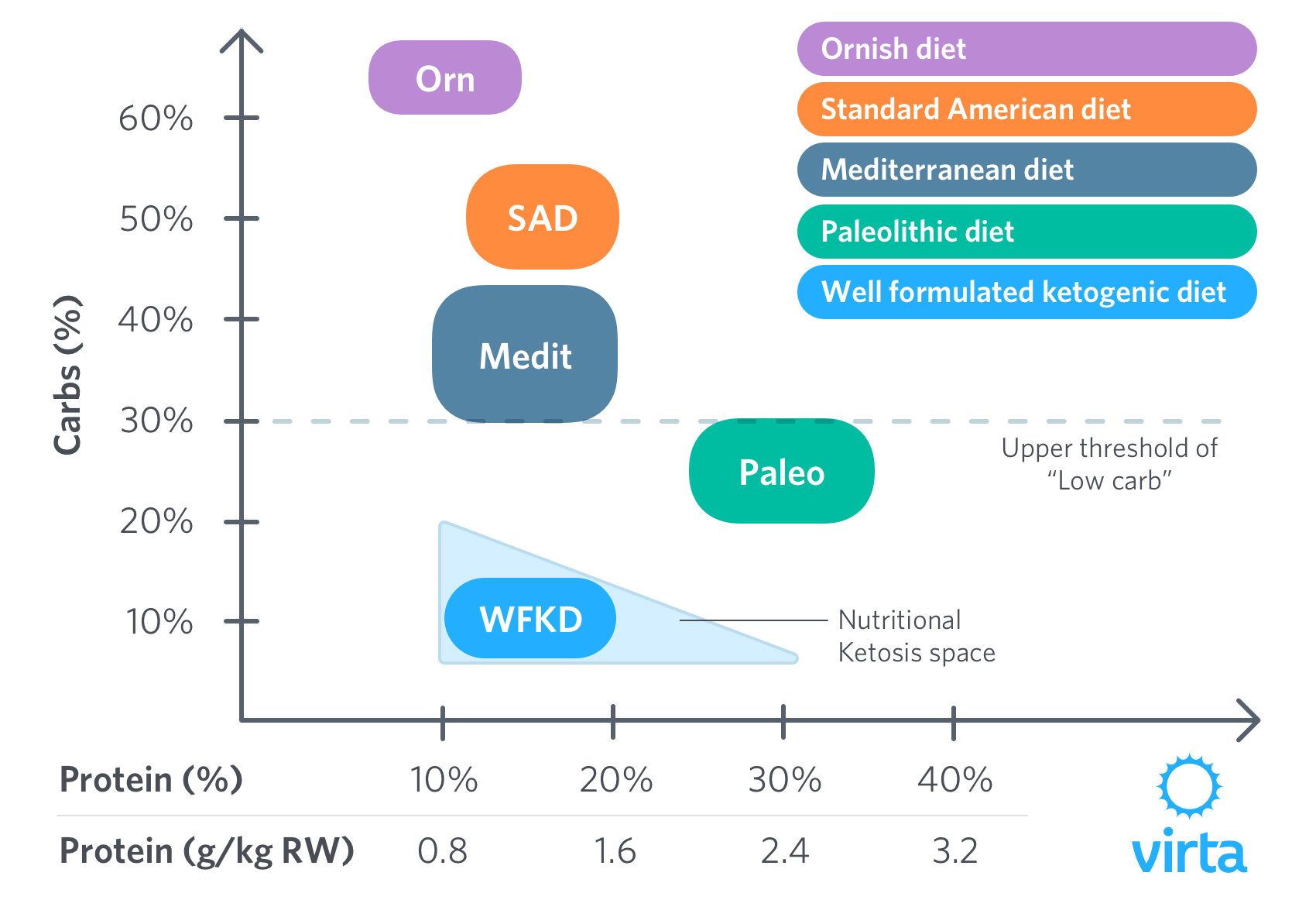
Paleo and keto both restrict carbohydrates, but they approach meal prep from opposite directions. Paleo focuses on food quality, prioritizing whole, unprocessed ingredients like meat, fish, vegetables, and nuts while eliminating grains, legumes, and dairy. The goal is to eat like our ancestors, relying on natural nutrient density rather than strict macronutrient tracking.
Keto, by contrast, is a metabolic strategy. It aims to induce ketosis, a state where the body burns fat for fuel instead of glucose. This requires strict adherence to macronutrient ratios, typically aiming for 70-80% of calories from fat, 15-20% from protein, and only 5-10% from carbohydrates. In keto, food quality matters, but hitting the fat-to-carb ratio is the primary driver of success.
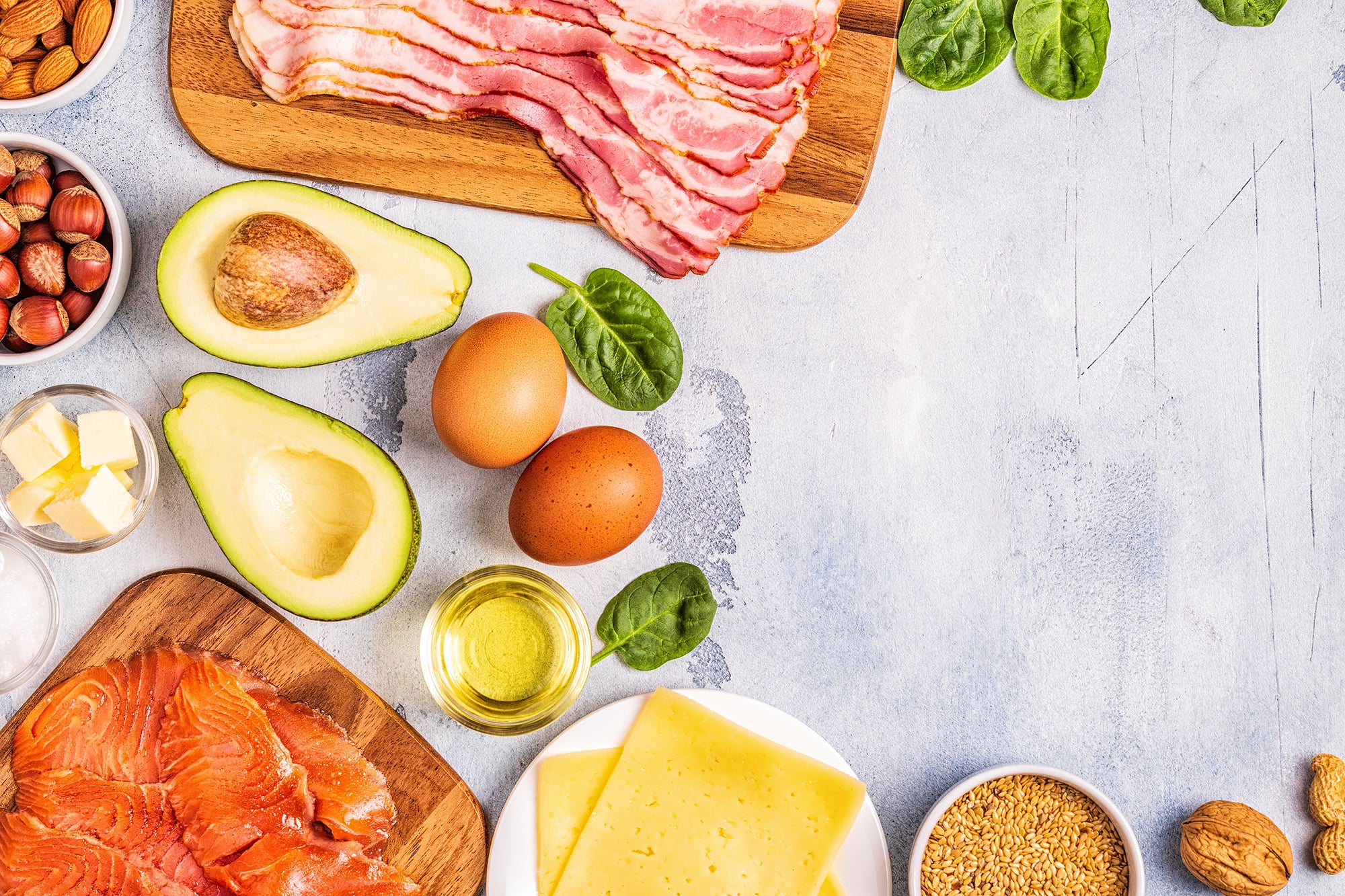
This distinction changes how you plan your meals. Paleo meal prep might involve roasting large batches of sweet potatoes, grilled chicken, and steamed broccoli. Keto meal prep, however, might focus on high-fat options like avocado, cheese, fatty cuts of meat, and healthy oils, often avoiding starchy vegetables entirely. While a paleo diet can be low-carb, it does not guarantee ketosis unless simple carbs are severely limited.
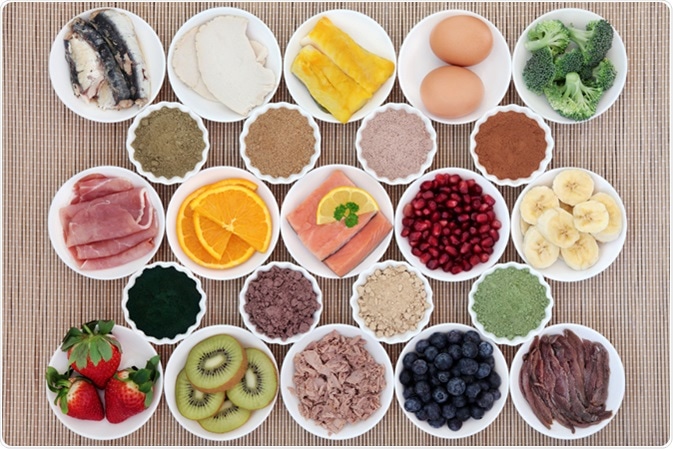
The following table compares the primary macronutrient targets and allowed food groups for each diet to help you decide which fits your meal prep style.
| Category | Paleo Focus | Keto Focus |
|---|---|---|
| Primary Goal | Whole food quality | Metabolic ketosis |
| Fat Intake | Moderate | High (70-80% calories) |
| Carb Intake | Low-Moderate | Very Low (<50g/day) |
| Dairy | Generally avoided | Allowed (high fat) |
| Starchy Veg | Allowed (e.g., sweet potato) | Avoided |
| Grains/Legumes | Avoided | Avoided |
Build a weekly meal plan that fits your goals
Structuring a week of meals for Paleo and Keto requires different logistical approaches. While both diets emphasize whole foods, the mechanics of shopping and prepping diverge significantly. Paleo focuses on variety and volume, requiring a wider range of produce and lean proteins. Keto prioritizes macronutrient ratios, demanding precise tracking of fats and strict carbohydrate limits.
Step 1: Audit your pantry staples
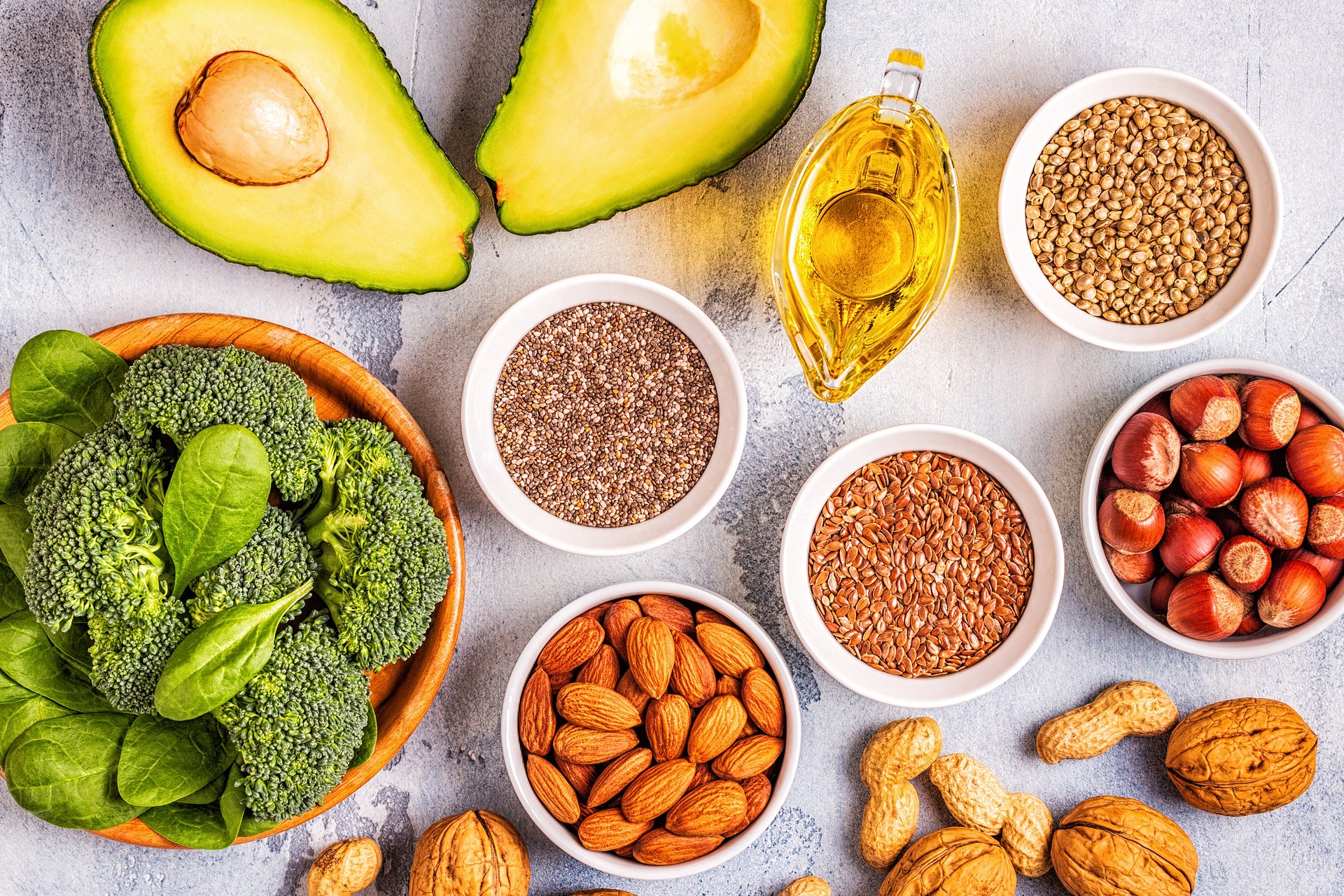
Before shopping, identify the foundational ingredients that define each diet. For Paleo, your pantry should hold coconut oil, almond flour, and a variety of spices. Keto staples include MCT oil, erythritol, and high-fat dairy like heavy cream. Having these base ingredients ready simplifies the cooking process and prevents last-minute deviations from your plan.
Step 2: Shop for protein and produce
Paleo shopping involves selecting grass-fed meats, wild-caught fish, and a rainbow of vegetables and fruits. You will need more variety to ensure adequate micronutrient intake. Keto shopping is narrower, focusing on high-fat proteins like bacon and salmon, and low-carb vegetables like spinach and broccoli. Avoid starchy vegetables and most fruits on Keto, which are staples in a Paleo diet.
Step 3: Prep components in batches
Batch cooking saves time during the week. For Paleo, roast a large tray of mixed vegetables and grill several chicken breasts. For Keto, hard-boil eggs and prepare a batch of fatty meatballs or ground beef. Pre-chopping vegetables for Paleo meals ensures you have quick options for stir-fries or salads, while pre-portioned Keto fats make it easier to hit your daily macros.
Step 4: Assemble and store meals
Pack meals in clear containers to monitor portion sizes. Paleo meals often require larger volumes due to lower calorie density from vegetables. Keto meals are more calorie-dense, so smaller portions may suffice. Label containers with the date and diet type to avoid confusion. Store meals in the refrigerator for up to four days or freeze portions for later in the week.
Step 5: Review and adjust
At the end of the week, review what worked and what didn't. Did you run out of protein? Did you struggle with hunger? Adjust your shopping list and prep strategy accordingly. This iterative process helps refine your meal plan to better suit your lifestyle and goals.
Identify foundational ingredients. Paleo needs coconut oil and almond flour. Keto requires MCT oil and heavy cream.
Paleo: grass-fed meats, wild fish, rainbow veggies. Keto: high-fat proteins, low-carb veggies like spinach.
Roast veggies and grill chicken for Paleo. Boil eggs and make meatballs for Keto. Pre-chop and portion fats.
Pack in clear containers. Paleo needs larger volumes. Keto is calorie-dense. Label with date and diet type.
Review what worked. Adjust shopping and prep. Refine your plan for the next week.
A sample day of eating for each
Seeing what a day of eating looks like on both diets helps clarify the practical differences. While both plans cut out processed grains and sugars, the source of calories shifts significantly. Keto relies on high fat intake to maintain ketosis, whereas Paleo focuses on whole foods with a moderate fat profile.
Keto example
A standard keto day prioritizes fat as the primary fuel source, often comprising 70% of total calories. Breakfast might be eggs cooked in butter with avocado, avoiding fruit due to its sugar content. Lunch could be a salad with grilled chicken, olive oil dressing, and cheese. Dinner often features fatty cuts of meat like salmon or ribeye, served with low-carb vegetables like broccoli sautéed in coconut oil.
Paleo example
The Paleo approach is less restrictive on fat but stricter on food origins. Breakfast typically includes sweet potatoes or fruit alongside eggs and meat. Lunch might feature a large bowl of leafy greens with grilled turkey and a variety of colorful vegetables. Dinner often centers on leaner proteins like wild-caught fish or grass-fed beef, accompanied by roasted root vegetables, which are permitted in moderation unlike on keto.
Health outcomes and medical caveats
When comparing paleo and keto meal prep, the research highlights distinct pathways for weight loss and metabolic health. Both approaches restrict carbohydrates, but they do so with different food priorities, leading to varied physiological responses.
Ketogenic diets have demonstrated a favorable impact on glycemia and A1C reduction, making them a common focus for managing type 2 diabetes and insulin resistance. The strict limitation of carbs forces the body into ketosis, which can stabilize blood sugar levels more rapidly than many standard low-fat diets.
Paleo meal prep often yields faster initial fat loss, with some studies showing greater fat mass reduction at six months compared to other diets. Additionally, the Paleo approach tends to produce significant decreases in triglyceride levels, particularly when meals are built around lean proteins, fish, and anti-inflammatory foods like avocados.
Individual responses vary based on genetics, activity level, and existing health conditions. For instance, those with thyroid issues may find that the very low carbohydrate intake of keto impairs T4-to-T3 conversion, while others may thrive on the higher carbohydrate allowance of paleo. Tracking your own metrics, such as energy levels and blood work, is essential to determine which meal prep style fits your specific biology.
No comments yet. Be the first to share your thoughts!