
Paleo vs Keto: Core Differences
The Paleo vs Keto debate often confuses people because the grocery lists look nearly identical. Both diets cut out processed foods, sugar, and grains. However, the underlying logic for why you are eating those foods is completely different.
Paleo is a food quality diet. It focuses on what you eat—specifically, choosing whole, unprocessed foods that our ancestors might have hunted or gathered. You don't need to track numbers. If it comes in a box with ingredients you can't pronounce, you skip it. The goal is clean eating.
Keto is a metabolic state diet. It focuses on how your body burns fuel. The goal is to enter ketosis, a state where your body burns fat for energy instead of glucose. To get there, you must strictly limit carbohydrates and prioritize high fat intake, regardless of whether the food is "whole" or not.
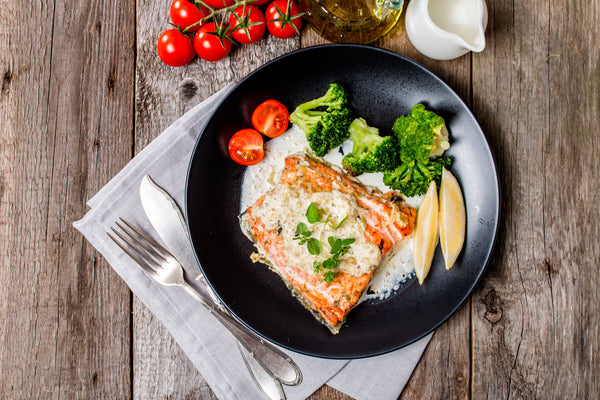
Think of Paleo like cleaning your pantry. You are removing junk to make room for better ingredients. Keto is like changing the engine type of a car. You are forcing the vehicle to run on a different fuel source entirely. You can be on a Paleo diet and not be in ketosis if you eat enough fruit or starchy vegetables. Conversely, you can be in ketosis without eating Paleo (though it is harder), such as by eating processed low-carb snacks.
The following table breaks down the specific rules for each approach.
| Primary Focus | Carb Limit | Fat Intake | Tracking Required |
|---|---|---|---|
| Food Quality | Moderate (20-50g+) | Moderate | No |
| Metabolic State | Strict (<20-50g) | High | Yes |
Food Lists: What You Can Eat
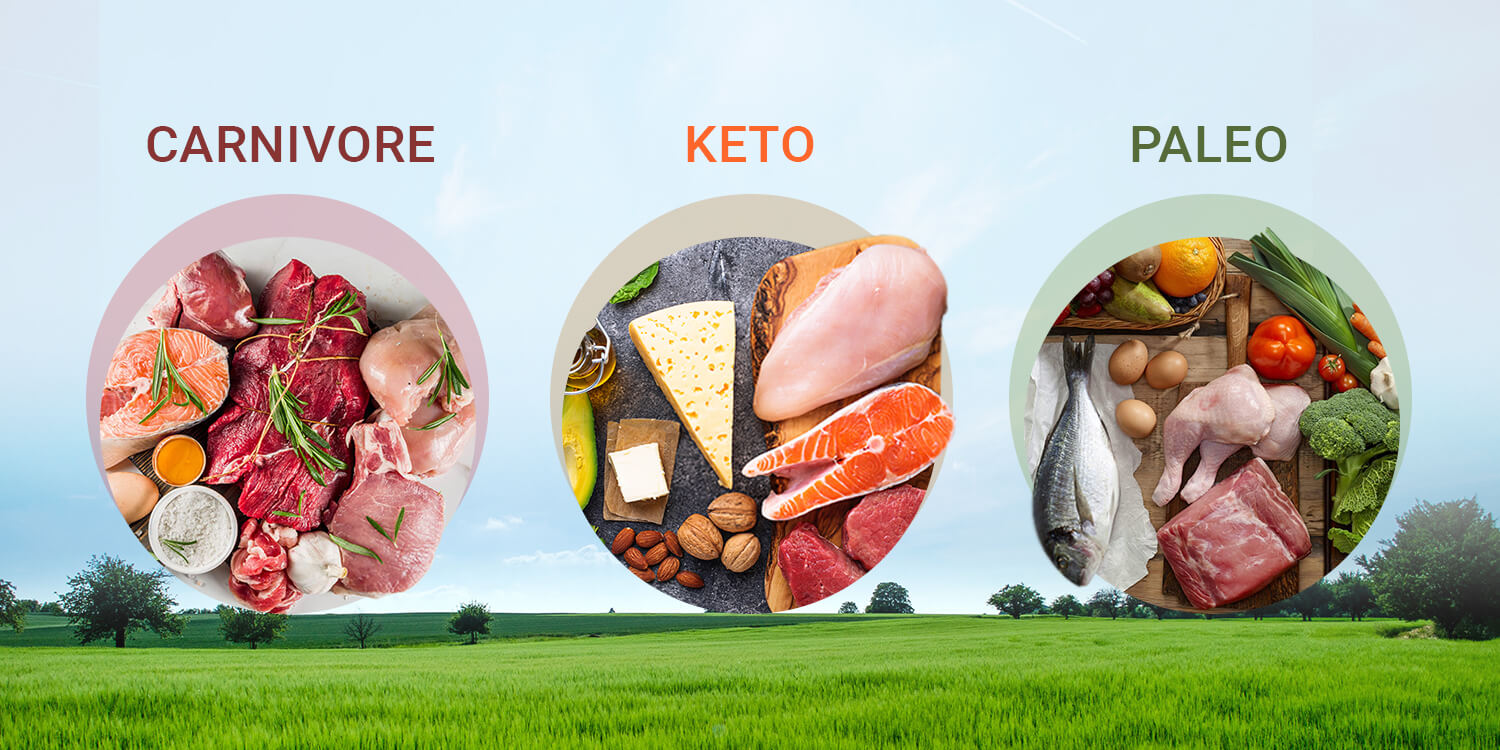
Understanding the Paleo vs Keto difference starts with what lands on your plate. While both diets prioritize whole foods, their grocery lists diverge sharply on carbohydrates. Keto is a numbers game focused on keeping carbs under 50 grams daily, whereas Paleo is a historical filter that excludes processed grains and sugars entirely.
Here is a quick breakdown of the primary differences in allowed foods:
| Food Category | Paleo Allowed | Keto Allowed |
|---|---|---|
| Fruits | Berries, apples, citrus | Berries, avocados, olives |
| Grains | None | None |
| Legumes | None | None |
| Dairy | Ghee, grass-fed butter | Cheese, heavy cream, butter |
| Vegetables | All non-starchy | All non-starchy |
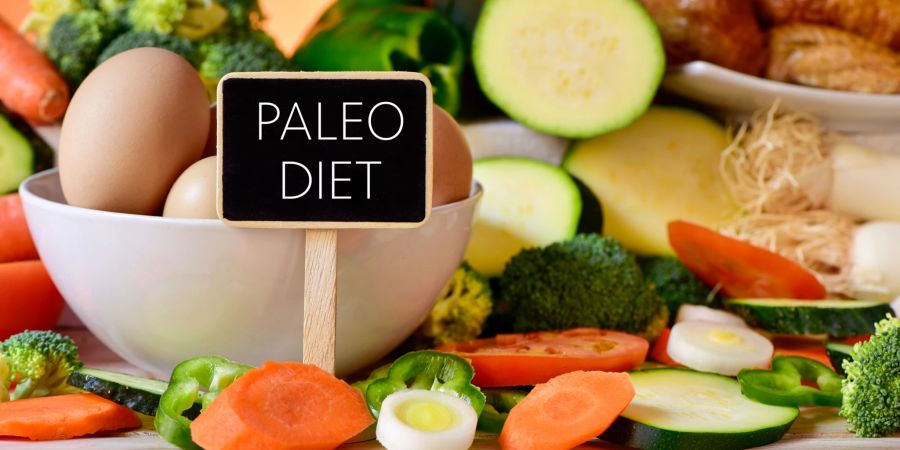
What You Can Eat on Paleo
The Paleo diet is built on the premise of eating like our hunter-gatherer ancestors. You will fill your cart with grass-fed meats, wild-caught fish, fresh vegetables, and limited fruit. Healthy fats come from sources like olive oil, coconut oil, and avocados. You must avoid all grains, legumes, dairy, and refined sugar.
What You Can Eat on Keto
Keto focuses on macronutrient ratios: high fat, moderate protein, and very low carb. Your list will include fatty cuts of meat, eggs, full-fat dairy, and low-carb vegetables like spinach and broccoli. Nuts, seeds, and healthy oils are staples. The goal is to force your body into ketosis, a state where it burns fat for fuel instead of glucose.
Shared Staples
Both diets share a foundation of unprocessed, nutrient-dense foods. You will find overlap in meats, fish, eggs, leafy greens, and healthy fats. The main difference lies in what you exclude: Paleo cuts out all grains and legumes, while Keto allows small amounts of dairy and nuts that might be restricted in stricter Paleo versions.
Meal Prep Strategies for Each
The core difference between Paleo and Keto often comes down to logistics. Paleo relies on fresh, whole ingredients that spoil quickly, requiring more frequent shopping trips and careful storage. Keto allows for longer shelf life due to higher fat content and processed alternatives, making it easier to batch-cook for the week. Understanding these constraints helps you build a sustainable routine for either path.
Step 1: Plan Your Grocery List Around Restrictions
Start by listing the allowed foods for your chosen diet. For Paleo, this means prioritizing meat, fish, eggs, vegetables, fruits, nuts, and seeds. Avoid all grains, legumes, dairy, and refined sugars. For Keto, focus on high-fat meats, above-ground vegetables, healthy oils, and low-sugar berries. Limit fruits and starchy vegetables. A strict list prevents impulse buys that derail your macros or introduce forbidden foods.
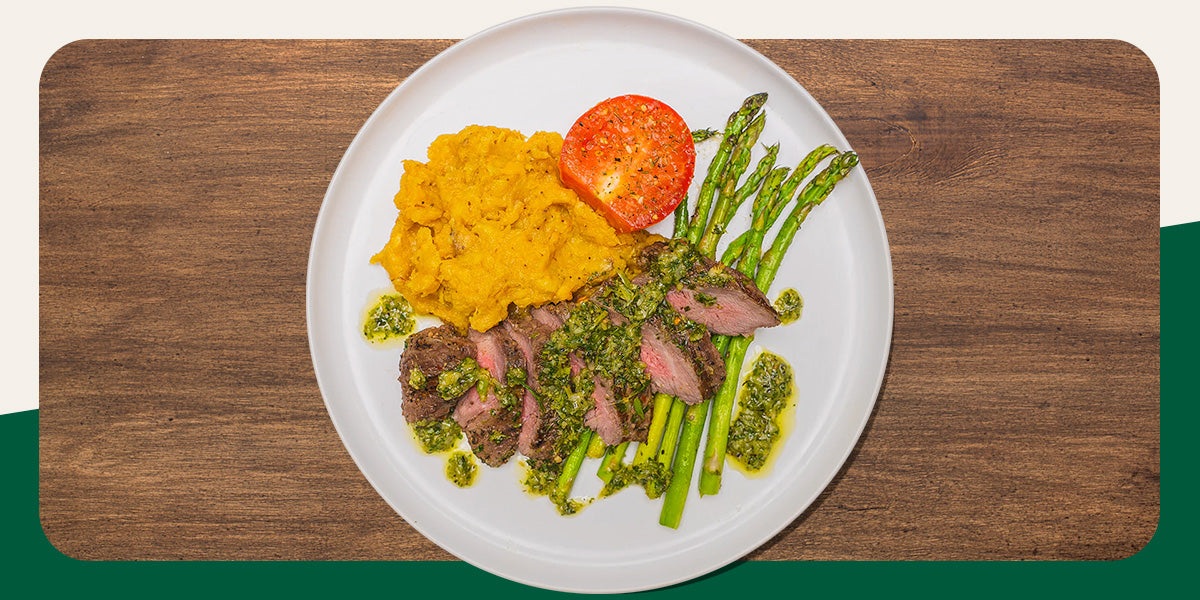
Write down every meal you plan to eat for the week. Check your pantry for staples like olive oil, coconut flour, or almond flour. For Keto, note low-carb sweeteners if needed. For Paleo, ensure you have enough fresh produce that will last. This step saves time and money by reducing food waste and last-minute takeout orders.
Step 2: Batch Cook Proteins and Base Vegetables
Cooking proteins in bulk is the most efficient way to handle both diets. Grill a large batch of chicken thighs, bake salmon fillets, or roast beef strips. For Paleo, pair these with roasted root vegetables or steamed broccoli. For Keto, focus on non-starchy greens like spinach, kale, or cauliflower rice. Store proteins in airtight containers. This creates a versatile foundation for quick assembly later in the week.
Divide cooked proteins into individual portions immediately after cooling. This prevents overeating and ensures consistent macronutrient intake. For Keto, add a measured amount of healthy fat, such as avocado slices or olive oil dressing, to each container. For Paleo, add a side of fresh fruit or nuts for a natural energy boost. Label containers with dates to track freshness.
Step 3: Assemble Meals for Quick Access
Final assembly ensures you have ready-to-eat meals that meet your dietary goals. For Paleo, combine your pre-cooked protein with fresh salad greens and a vinegar-based dressing. For Keto, mix protein with sautéed vegetables cooked in butter or ghee. Keep sauces and dressings in small separate containers to prevent sogginess. This step minimizes daily cooking time while maintaining flavor and nutritional integrity.
Use clear containers to see what you’re eating. This visual cue helps you stick to your plan when hungry. For Keto, consider adding cheese or bacon bits for extra fat. For Paleo, add fresh herbs like cilantro or parsley for flavor without carbs. Store meals in the fridge for up to four days. Freeze any meals you won’t eat within that window to extend their usability.
Weekly Meal Prep Checklist
Use this checklist to ensure you stay on track with your Paleo or Keto meal prep strategy.
Sample Paleo Meal Prep Recipe
This simple recipe demonstrates how easy it is to prep a Paleo-friendly lunch. It requires minimal ingredients and cooks quickly.
Comparison Table: Prep Effort vs. Sustainability
This table compares the typical prep effort and long-term sustainability for each diet.
| Diet | Prep Effort | Sustainability | Key Challenge |
|---|---|---|---|
| Paleo | High | Medium | Fresh produce spoils quickly |
| Keto | Medium | High | Finding low-carb snacks |
One Recipe for Both Diets
Finding a meal that satisfies both the Paleo and Keto diets is easier than it sounds because the two plans share a large overlap in approved foods. Both emphasize whole, unprocessed ingredients, healthy fats, and lean proteins while cutting out grains, legumes, and refined sugars. This shared foundation means you can prepare a single dish that fits both protocols without compromising on flavor or nutritional goals.
The following recipe demonstrates this intersection. It relies on simple, high-quality ingredients that are staples in both Paleo and Keto kitchens. By focusing on natural fats and fresh herbs, you create a meal that is satisfying for anyone following either lifestyle, proving that the Paleo vs Keto debate doesn't require sacrificing culinary enjoyment.
This dish works because it avoids the common pitfalls that separate the two diets, such as hidden sugars in sauces or starchy vegetables. The healthy fats from the olive oil and salmon provide satiety, which is critical for Keto, while the fresh vegetables and lean protein align with Paleo's emphasis on nutrient density. You can adjust the portion size based on your specific calorie needs, but the ingredient list remains strictly compliant for both plans.
To make meal prepping easier, you can prepare a batch of this recipe on Sunday for the week ahead. The flavors often improve after sitting in the fridge for a few hours, making it a convenient option for busy weekdays. Just ensure you store the salmon and asparagus in airtight containers to maintain freshness.
Which diet fits your goals?
Choosing between the Paleo vs Keto diet often comes down to how you view food and what your body tolerates. The Keto diet demands strict adherence to macronutrient ratios, typically requiring about 70% of your calories from fat. This high-fat approach is designed to force your body into ketosis for rapid weight loss, but it restricts most fruits, grains, and starchy vegetables.
The Paleo diet takes a different approach by focusing on food quality rather than just fat percentages. It emphasizes whole, unprocessed foods like lean meats, fish, eggs, and plenty of non-starchy vegetables. While you can lose weight on Paleo, it allows for more carbohydrate variety from sources like sweet potatoes and legumes (depending on the specific interpretation), making it feel less restrictive for many people.
Use this checklist to see which path feels more sustainable for your lifestyle:
-
I prefer eating high amounts of fat and don't mind tracking macros
-
I want to eat a wider variety of vegetables and fruits
-
I struggle with hunger and need higher satiety from fats
-
I prefer not to count calories or track fat intake
| Feature | Keto | Paleo |
|---|---|---|
| Primary Goal | Ketosis & Rapid Fat Loss | Whole Foods & Inflammation Reduction |
| Carb Limit | Very Low (<20-50g/day) | Moderate (Fruits & Starches Allowed) |
| Dairy | Allowed (Butter, Cream) | Generally Excluded |
| Legumes | Allowed (in moderation) | Excluded |
Frequently asked: what to check next
This section clarifies the practical differences between Paleo vs Keto strategies. While both eliminate processed junk, their rules for healthy carbs differ significantly. Understanding these distinctions helps you choose the path that fits your lifestyle and health goals.
No comments yet. Be the first to share your thoughts!