

Paleo in 2026: What’s Changed?
The paleo diet has come a long way since its initial surge in popularity. It's not the restrictive, meat-heavy plan some once perceived it to be. While the core principles remain the same – focusing on whole, unprocessed foods as our hunter-gatherer ancestors ate – our understanding of how to implement those principles has evolved. We’ve moved beyond simply eliminating certain food groups and now focus more on food quality, nutrient density, and individual needs.
At its heart, the paleo diet still centers around lean proteins, plenty of fruits and vegetables, healthy fats, and nuts and seeds. It intentionally avoids grains, legumes, dairy, and processed foods. However, recent research, particularly regarding the gut microbiome, is driving a more nuanced approach. We’re seeing a greater emphasis on incorporating fermented foods and prioritizing gut-healing nutrients within the paleo framework.
I think one of the biggest shifts is the acknowledgement that "paleo’ isn’t a one-size-fits-all prescription. Factors like activity level, genetics, and individual tolerances play a significant role. The focus is less on rigid adherence and more on finding a sustainable way of eating that supports overall health. It"s also worth noting the increased availability of paleo-friendly products – from packaged snacks to meal delivery services like Paleo Meals Direct – making the lifestyle more accessible than ever before.
The Paleo Food List: Your 2026 Guide
Let’s break down what you can enjoy on the paleo diet. Proteins are a cornerstone, and excellent choices include grass-fed beef, pasture-raised poultry, wild-caught fish (salmon, tuna, mackerel are fantastic), and eggs. Vegetables are unlimited – think leafy greens, broccoli, carrots, sweet potatoes, and everything in between. Fruits are welcome, but moderation is key, especially with higher-sugar varieties like bananas and mangoes.
Healthy fats are essential for satiety and overall health. Avocado, olive oil, coconut oil, nuts (almonds, walnuts, pecans, macadamia), and seeds (chia, flax, sunflower) should be staples in your diet. Don’t underestimate the power of herbs and spices – they add flavor and are packed with antioxidants. When it comes to oils, extra virgin olive oil is a great all-purpose choice, and avocado oil is excellent for high-heat cooking.
There’s a lot of debate around sweeteners. Honey and maple syrup are sometimes included in moderation, but it's important to remember they still impact blood sugar. Stevia and monk fruit are considered paleo-friendly alternatives, but individual responses vary. The science is less clear on things like white rice – some people tolerate it well, while others find it triggers inflammation. I suggest experimenting to see what works best for you and paying attention to how your body feels.
- Proteins: Beef, poultry, fish, eggs
- Vegetables: All kinds!
- Fruits: Berries, apples, oranges (moderate portions of high-sugar fruits)
- Fats: Avocado, olive oil, nuts, seeds
- Other: Herbs, spices, coconut milk
Paleo Food Guide: Levels of Alignment
| Food Category | Paleo Approved | Paleo Conditional (Use with Caution) | Avoid |
|---|---|---|---|
| Proteins | Grass-fed beef, poultry, fish, seafood, eggs | Lean pork (in moderation), organ meats | Processed meats (bacon, sausage, deli meats), farmed fish with potential contaminant concerns |
| Vegetables | All non-starchy vegetables (leafy greens, broccoli, cauliflower, peppers) | Starchy vegetables like sweet potatoes and yams (moderate portions) | Potatoes (white) - debated, some exclude due to high starch content |
| Fruits | Berries, apples, oranges, bananas (in moderation) | Dried fruits (small portions due to concentrated sugars) | Fruit juices (high sugar content) |
| Fats | Avocados, olive oil, coconut oil, nuts & seeds (almonds, walnuts, chia seeds) | Ghee (clarified butter, lactose removed) | Vegetable oils (soybean, corn, canola), trans fats, margarine |
| Nuts & Seeds | Almonds, walnuts, sunflower seeds, pumpkin seeds | Cashews, peanuts (technically legumes) | Processed nut butters with added sugar or oils |
| Beverages | Water, herbal teas, sparkling water | Coconut water (moderate portions) | Sugary sodas, sweetened beverages, pasteurized dairy milk |
Illustrative comparison based on the article research brief. Verify current pricing, limits, and product details in the official docs before relying on it.
Sample 7-Day Paleo Meal Plan
Here’s a sample 7-day meal plan to get you started. Remember, this is a template – feel free to adjust portion sizes and swap out meals based on your preferences. Each day includes breakfast, lunch, dinner, and a snack. I’ve included approximate macro breakdowns at the end of the plan, but these will vary depending on specific ingredients and portion sizes. The recipes are available in full on Paleo Meals Direct.
Monday: Breakfast – Scrambled eggs with spinach and mushrooms (30g protein, 20g fat, 10g carbs). Lunch – Large salad with grilled chicken, avocado, and olive oil vinaigrette (40g protein, 25g fat, 15g carbs). Dinner – Salmon baked with roasted vegetables (broccoli, carrots, sweet potatoes) (45g protein, 30g fat, 20g carbs). Snack – Handful of almonds (6g protein, 14g fat, 6g carbs). Tuesday: Breakfast – Smoothie with berries, spinach, and coconut milk. Lunch – Leftover salmon and roasted vegetables. Dinner – Ground beef stir-fry with mixed vegetables. Snack – Apple slices with almond butter. Wednesday: Breakfast – Sweet potato and egg hash. Lunch – Chicken salad lettuce wraps. Dinner – Pork tenderloin with roasted asparagus. Snack – Hard-boiled egg. Thursday: Breakfast – Coconut yogurt with berries and nuts. Lunch – Leftover pork tenderloin and asparagus. Dinner – Shrimp scampi with zucchini noodles. Snack – Carrot sticks with guacamole. Friday: Breakfast – Scrambled eggs with avocado. Lunch – Tuna salad with mixed greens. Dinner – Steak with roasted Brussels sprouts. Snack – A small handful of macadamia nuts. Saturday: Breakfast – Paleo pancakes (made with almond flour). Lunch – Leftover steak and Brussels sprouts. Dinner – Chicken and vegetable skewers. Snack – Berries with coconut cream. Sunday: Breakfast – Egg and vegetable omelet. Lunch – Salad with grilled shrimp. Dinner – Roasted chicken with sweet potato fries. Snack – Celery sticks with almond butter.
These recipes are designed to be relatively quick and easy to prepare. We aim for meals that take 30-45 minutes to get on the table, even on busy weeknights. Adjusting portion sizes is crucial. If you're highly active, you'll likely need more calories (and therefore, larger portions) than someone who is sedentary. Listen to your body and eat until you're satisfied, not stuffed. Remember to drink plenty of water throughout the day.
Paleo Shopping List Essentials
To make your transition to paleo as smooth as possible, here’s a comprehensive shopping list, organized by grocery store section. This list correlates directly with the 7-day meal plan above. It includes both staple items and ingredients for specific recipes. Prioritizing quality is key - opt for grass-fed beef, pasture-raised poultry, and wild-caught fish whenever possible.
Produce: Leafy greens (spinach, kale, lettuce), broccoli, carrots, sweet potatoes, avocados, onions, garlic, zucchini, asparagus, berries (strawberries, blueberries, raspberries), apples, oranges, bananas. Meat/Poultry: Grass-fed beef, pasture-raised chicken, pork tenderloin, wild-caught salmon, shrimp. Pantry: Almonds, walnuts, pecans, macadamia nuts, chia seeds, flax seeds, coconut oil, olive oil, honey (optional), spices (salt, pepper, garlic powder, paprika), coconut milk. Other: Eggs.
When reading food labels, pay close attention to the ingredient list. Avoid products with added sugars, grains, legumes, dairy, and artificial ingredients. Look for products with minimal processing and a short ingredient list. Brands like Vital Proteins (collagen) and Primal Kitchen (dressings and condiments) offer paleo-friendly options, but there are many others available. Don’t be afraid to experiment and find brands you trust.
Paleo vs. Keto: What’s the Difference?
Both paleo and keto diets emphasize whole, unprocessed foods, but they differ significantly in their macronutrient ratios. Paleo focuses on eating foods that our hunter-gatherer ancestors would have had access to, while keto prioritizes very low carbohydrate intake to induce a metabolic state called ketosis.
The key difference lies in carb intake. Paleo allows for moderate amounts of carbohydrates from fruits and vegetables, while keto restricts carbs to around 20-50 grams per day. This drastic carb restriction forces the body to burn fat for fuel instead of glucose. Keto also emphasizes a much higher intake of fats than paleo. Paleo isn’t necessarily about maximizing fat intake; it’s about getting enough healthy fats to support overall health.
The potential benefits of keto include weight loss, improved blood sugar control, and increased mental clarity. However, it can also be challenging to maintain long-term and may cause side effects like the 'keto flu'. Paleo offers a more sustainable approach for many people, focusing on long-term health and well-being. Some individuals successfully combine elements of both diets, for example, by following a lower-carb paleo approach. Ultimately, the best diet is the one that you can stick with and that makes you feel your best.
Navigating Paleo Challenges: Dining Out & Travel
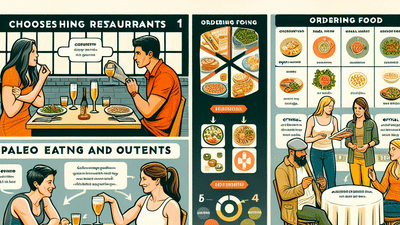
Staying paleo can be tricky when you’re not in control of the food preparation. Dining out and traveling present unique challenges, but they’re definitely manageable with a little planning. When eating at restaurants, focus on ordering protein-based dishes with plenty of vegetables. Ask for sauces and dressings on the side so you can control the ingredients. Grilled or baked meats are generally safer options than fried foods.
Don’t be afraid to communicate your dietary needs to the restaurant staff. Most restaurants are willing to accommodate special requests. When traveling, pack paleo-friendly snacks like nuts, seeds, dried fruit (in moderation), and jerky. Research restaurants in your destination beforehand and look for options that offer paleo-friendly meals. Consider staying in accommodations with a kitchen so you can prepare some of your own meals.
Social events can also be challenging. Offer to bring a paleo-friendly dish to share. Don’t feel pressured to eat foods that don’t align with your diet. Politely decline offers of foods you can’t eat and focus on enjoying the company of your friends and family. Remember, consistency is key, but occasional deviations won’t derail your progress.
Expert Tips for Paleo Success
According to the UC Davis Nutrition Department, focusing on nutrient-dense foods is crucial for optimal health on the paleo diet (nutrition.ucdavis.edu, 2024). Meal prepping is a game-changer. Spend a few hours each week preparing meals and snacks in advance. This will save you time and energy during the week and make it easier to stay on track. Healthline.com also emphasizes the importance of finding a support system – whether it’s a friend, family member, or online community (healthline.com, 2024).
Listen to your body. Pay attention to how different foods make you feel and adjust your diet accordingly. Don’t be afraid to experiment and find what works best for you. Staying hydrated is also essential. Drink plenty of water throughout the day. Common mistakes beginners make include not eating enough fat, underestimating calorie needs, and being too restrictive. Remember, paleo is about nourishing your body, not depriving it.
Prioritize quality sleep and stress management. Both sleep and stress play a significant role in overall health and can impact your ability to stick to a healthy diet. Aim for 7-9 hours of sleep per night and find healthy ways to manage stress, such as exercise, meditation, or spending time in nature. A well-rounded approach to health, including diet, sleep, and stress management, is the key to long-term success.
No comments yet. Be the first to share your thoughts!