

Paleo in 2026: What's Changed?
The paleo diet, at its foundation, is about eating the foods our hunter-gatherer ancestors ate – think lean proteins, fruits, vegetables, and healthy fats. It’s often misunderstood as simply a meat-heavy diet, but that’s a significant oversimplification. The core idea is to avoid foods that became prevalent with the advent of agriculture, like grains, legumes, and processed foods. The original concept, popularized by Loren Cordain in the early 2000s, aimed to align our diet with our genetic makeup.
However, the paleo approach has evolved considerably in recent years. Initially, it was quite restrictive, but now there’s a much stronger emphasis on individualization. We’ve learned that "paleo’ isn"t one-size-fits-all. What works for one person may not work for another, and factors like activity level, genetics, and gut health play a huge role. A big shift is a greater understanding of the gut microbiome and how different foods impact it.
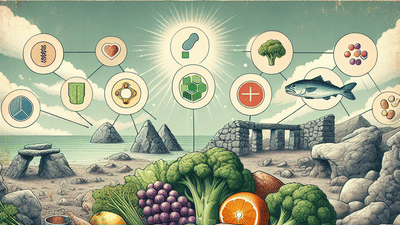
We're seeing a move toward prioritizing sustainably sourced foods. People are asking where their meat comes from, how their fish is caught, and whether their produce is grown with harmful pesticides. There’s also an increased focus on nutrient density – it’s not just about what you eat, but how much nutrition you’re getting from it. The conversation has expanded beyond simply eliminating food groups to optimizing overall health and well-being. Paleo in 2026 is less about strict rules and more about a flexible framework for making informed food choices.
The Paleo Food List: Yes, No, and Maybe
Let's break down what's generally considered acceptable, unacceptable, and potentially okay on a paleo diet. The "yes" list includes meat (preferably grass-fed), fish and seafood (wild-caught is best), vegetables, fruits, eggs, nuts and seeds, and healthy fats like olive oil and avocado oil. These foods provide essential nutrients and align with the dietary patterns of our ancestors.
Foods to avoid typically include grains (wheat, rice, corn, barley), legumes (beans, lentils, peanuts), dairy, processed foods, refined sugar, and vegetable oils (soybean, corn, canola). These foods are excluded for a variety of reasons. Grains and legumes contain anti-nutrients like lectins that can interfere with nutrient absorption and contribute to inflammation. Dairy, for many, can cause digestive issues. Processed foods and refined sugar offer little nutritional value and are linked to chronic diseases.
The "maybe" category is where things get interesting. Some people tolerate white rice well, especially after exercise, as it's easily digestible. Others may reintroduce dairy – specifically, full-fat, fermented dairy like kefir or ghee – if they don’t experience negative reactions. The quality of your food really matters. Choosing grass-fed beef over conventionally raised beef makes a big difference in its nutritional profile and potential inflammatory effects. Look for certifications and prioritize sourcing from reputable farms whenever possible.
Sourcing isn’t just about ethics; it’s about nutrient density. Wild-caught salmon, for example, is significantly higher in omega-3 fatty acids than farmed salmon. Reading labels carefully is crucial. Many processed foods marketed as "healthy" still contain hidden sugars or unhealthy oils. Don't be fooled by marketing claims – focus on the ingredient list.
- Paleo Yes List: Meat, fish, vegetables, fruits, eggs, nuts, seeds, healthy fats
- Paleo No List: Grains, legumes, dairy, processed foods, refined sugar, vegetable oils
- Paleo Maybe List: White rice (for some), full-fat fermented dairy (for some)
Paleo Food Guide: What to Eat, Moderate, and Avoid
| Eat Freely | Eat in Moderation | Avoid |
|---|---|---|
| Meat (grass-fed, pastured preferred): Beef, lamb, poultry, pork | Dairy (some individuals tolerate grass-fed butter or ghee) | Grains: Wheat, rice, corn, barley, oats |
| Fish & Seafood: Salmon, tuna, shrimp, mackerel | White Potatoes: Some proponents allow in moderation, others avoid due to higher starch content | Legumes: Beans, lentils, peanuts |
| Vegetables: Broccoli, spinach, kale, carrots, peppers | Nightshades: Tomatoes, eggplant, peppers, potatoes - potential inflammatory triggers for some | Processed Foods: Anything with artificial ingredients, added sugars, or refined oils |
| Fruits: Berries, apples, bananas, oranges | Natural Sugars: Honey, maple syrup - use sparingly | Sugar: Refined sugar, high fructose corn syrup |
| Healthy Fats: Avocado, olive oil, coconut oil | Alcohol: Some may allow small amounts of red wine, but it's generally discouraged | Vegetable Oils: Soybean oil, corn oil, canola oil |
| Eggs | Dried Fruit: Contains concentrated sugars, consume in small portions | Artificial Sweeteners: Aspartame, sucralose, saccharin |
Illustrative comparison based on the article research brief. Verify current pricing, limits, and product details in the official docs before relying on it.
Paleo Shopping: Building Your Pantry
Stocking a paleo-friendly pantry doesn’t have to be overwhelming. Start with the essentials: a variety of proteins (beef, chicken, fish, eggs), plenty of vegetables (leafy greens, cruciferous vegetables, root vegetables), and fruits (berries, apples, bananas). Nuts and seeds are great for snacks and adding healthy fats. Don’t forget healthy oils like olive oil, avocado oil, and coconut oil.
Reading labels is critical. Avoid products with added sugar, artificial sweeteners, and unhealthy oils. Look for ingredients you recognize and can pronounce. Many seemingly healthy products contain hidden sugars under different names (corn syrup, dextrose, maltose). A good rule of thumb is to stick to the perimeter of the grocery store, where the fresh produce, meat, and dairy are typically located.
Paleo can be expensive, but it doesn’t have to be. Buying in bulk, especially for nuts, seeds, and frozen fruits and vegetables, can save money. Prioritize seasonal produce, which is usually cheaper and more flavorful. Consider cheaper cuts of meat and learn to cook them properly. Ground beef, chicken thighs, and pork shoulder are all budget-friendly options. Don't underestimate the power of eggs – they’re a versatile and affordable protein source.
- Pantry Staples: Proteins, vegetables, fruits, nuts, seeds, healthy oils
- Budget Tips: Buy in bulk, prioritize seasonal produce, choose cheaper cuts of meat
Meal Prep for Paleo Success
Meal prepping is your secret weapon for sticking to a paleo diet, especially if you’re busy. Start by planning your meals for the week. Choose a few recipes and make a shopping list. Batch cooking is key – cook a large quantity of protein (chicken, beef, fish) and roast a bunch of vegetables at once. This will save you time and effort throughout the week.
Proper storage is essential. Invest in airtight containers to keep your food fresh. Cooked protein and vegetables will last for 3-4 days in the refrigerator. You can also freeze portions for later use. Pre-portioning meals into individual containers makes it easy to grab and go. Don't forget about snacks! Cut up vegetables and fruits, or portion out nuts and seeds into small bags.
Adapt meal prep to your lifestyle. If you’re a busy professional, focus on quick and easy recipes. If you have a family, involve them in the process. Make it a fun activity! There are tons of paleo meal solutions available online, including pre-made meal delivery services like Paleo Meals Direct, which can be a lifesaver when you're short on time. Vary your meals to avoid boredom and ensure you're getting a variety of nutrients.
- Meal Prep Steps: Plan meals, create shopping list, batch cook, store properly
- Time-Saving Tips: Choose quick recipes, pre-portion meals, utilize meal delivery services
7-Day Paleo Meal Plan: A Starting Point
Here's a sample 7-day paleo meal plan to get you started. Remember to adjust portion sizes based on your individual needs and activity level. This plan aims for a balanced intake of protein, carbohydrates, and fats. Macronutrient breakdowns are approximate and will vary depending on specific ingredients used.
Day 1: Breakfast – Scrambled eggs with spinach and avocado (Protein: 25g, Carbs: 10g, Fat: 20g). Lunch – Salad with grilled chicken and mixed greens (Protein: 30g, Carbs: 15g, Fat: 15g). Dinner – Baked salmon with roasted asparagus (Protein: 35g, Carbs: 10g, Fat: 25g). Snack – Handful of almonds.
Day 2: Breakfast – Smoothie with berries, spinach, and coconut milk (Protein: 10g, Carbs: 20g, Fat: 10g). Lunch – Leftover baked salmon and asparagus. Dinner – Ground beef stir-fry with broccoli and cauliflower rice (Protein: 30g, Carbs: 20g, Fat: 20g). Snack – Apple slices with almond butter.
Day 3-7: Continue with similar meals, varying proteins and vegetables. Examples include chicken and vegetable skewers, pork chops with sweet potato, and shrimp with zucchini noodles. Don't be afraid to experiment with different flavors and spices. We have a wide range of paleo recipes on our website at Paleo Meals Direct to inspire you!
This is just a starting point. Feel free to swap out meals and snacks to suit your preferences. The key is to focus on whole, unprocessed foods and listen to your body. Remember to drink plenty of water throughout the day. This plan provides approximately 1800-2200 calories per day, depending on portion sizes and specific ingredients.
Paleo vs. Keto: What's the Difference?
Both paleo and keto diets emphasize whole, unprocessed foods, but they differ significantly in their macronutrient ratios. The paleo diet focuses on eating like our ancestors, prioritizing protein, healthy fats, and non-starchy vegetables. It allows for moderate carbohydrate intake from fruits and starchy vegetables.
The keto diet, on the other hand, is a very low-carbohydrate, high-fat diet. The goal is to induce a metabolic state called ketosis, where the body starts burning fat for fuel instead of glucose. Keto typically restricts carbohydrate intake to 20-50 grams per day, while paleo allows for a much higher intake. This is the biggest distinction.
Allowed foods also differ. Paleo allows for some fruits and sweet potatoes, while keto severely restricts them. Dairy is generally avoided on paleo, while some keto dieters include full-fat dairy. Ultimately, the best diet depends on your individual goals and preferences. If you’re looking for a sustainable lifestyle change with a focus on whole foods, paleo may be a better fit. If you’re looking for rapid weight loss and are willing to adhere to a very strict diet, keto may be more appealing. Exploring paleo dietary advice can help you decide which path is best for you.
- Paleo: Moderate carbs, moderate protein, moderate fat, focuses on ancestral eating
- Keto: Very low carbs, high fat, moderate protein, focuses on ketosis
Troubleshooting Paleo: Common Challenges
Starting a paleo diet can be challenging. Sugar cravings are common, especially in the beginning. Focus on incorporating healthy fats and proteins into your meals to help you feel full and satisfied. If you experience digestive problems, try adding fermented foods like sauerkraut or kimchi to your diet to support gut health.
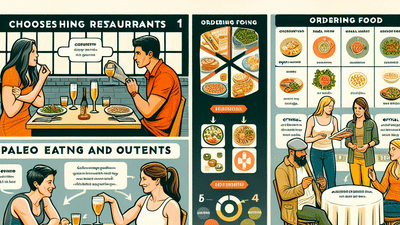
Social situations and eating out can also be tricky. Plan ahead by checking menus online or calling restaurants to see if they have paleo-friendly options. Don’t be afraid to ask for substitutions. Remember, it’s okay to indulge occasionally – the goal is to make sustainable lifestyle changes, not to be perfect. And if you're looking for convenient options, remember Paleo Meals Direct offers pre-made meals that fit your lifestyle.
No comments yet. Be the first to share your thoughts!