

The Core Difference: Macros vs. Food Quality
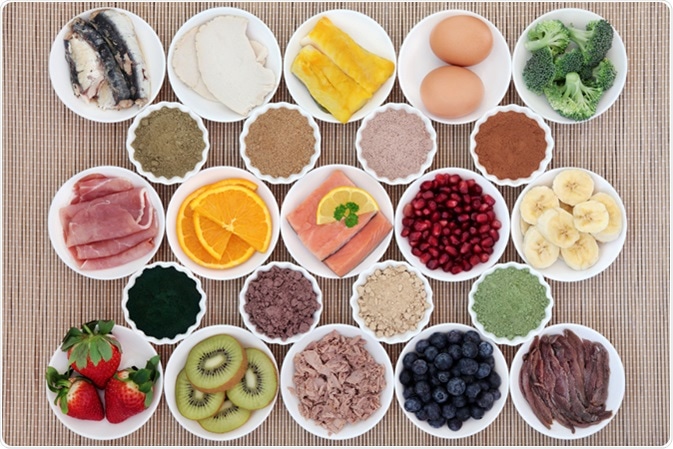
The primary distinction between paleo vs keto lies in what each system prioritizes. Keto is a metabolic state defined by macronutrient ratios, while paleo is a food quality standard defined by ingredient sourcing. One tracks the numbers; the other tracks the source.
Keto focuses on eliminating carbohydrates to force the body into ketosis. To maintain this state, you must strictly limit carbs to roughly 50 grams per day, ensuring that fat provides about 70-80% of your daily calories. The goal is metabolic efficiency, regardless of where those fats come from. If it fits the macro, it fits the diet.
Paleo, conversely, centers on meal plans based on whole, unprocessed foods. It eliminates grains, legumes, dairy, and refined sugars, mimicking the presumed diet of our Paleolithic ancestors. While many paleo followers naturally reduce carbs, there is no strict numerical limit. You can eat sweet potatoes, fruit, and starchy roots as long as they are unprocessed.
This creates a significant overlap but also a key divergence. Both diets avoid grains, beans, and processed sugars. However, keto allows for high-fat dairy and artificial sweeteners if they fit the macros, whereas paleo excludes them entirely. Paleo prioritizes nutrient density and food integrity; keto prioritizes metabolic switching.
Macros, Metabolism, and Ketosis
Use this section to make the Paleo vs Keto decision easier to compare in real life, not just on paper. Start with the reader's actual constraint, then separate must-have requirements from details that are merely nice to have. A practical choice should survive normal use, maintenance, timing, and budget. If a recommendation only works in an ideal situation, call that out plainly and give the reader a fallback path.
| Factor | What to check | Why it matters |
|---|---|---|
| Fit | Match the option to the primary use case. | A good deal still fails if it does not fit the job. |
| Condition | Verify age, wear, and service history. | Hidden condition issues erase upfront savings. |
| Cost | Compare purchase price with likely upkeep. | The cheapest option is not always the lowest-cost option. |
Impact on Gut Health and Digestion
The way your diet shapes your gut microbiome is one of the most significant differences between Paleo and Keto. Your gut bacteria thrive on fiber, which they ferment into short-chain fatty acids that support gut lining integrity and reduce inflammation. Because these two diets approach carbohydrate intake differently, they create distinctly different environments for your digestive system.
Paleo Supports Microbiome Diversity
The Paleo diet naturally encourages a wider variety of gut bacteria because it emphasizes high fiber intake from vegetables, fruits, nuts, and seeds. By excluding grains and processed foods, Paleo followers typically consume more diverse plant matter, which serves as fuel for a robust microbiome. This diversity is linked to better immune function and reduced systemic inflammation.
While Paleo restricts grains, it does not eliminate carbohydrates entirely. The inclusion of starchy vegetables like sweet potatoes and carrots, along with low-sugar fruits, provides a steady stream of prebiotics. These prebiotics are essential for feeding beneficial bacteria like Bifidobacteria and Lactobacillus, which play a key role in maintaining a healthy gut barrier.
Keto’s Lower Fiber Intake
Keto’s strict limitation on carbohydrates often results in significantly lower fiber consumption. Many high-fiber foods, such as beans, lentils, whole grains, and most fruits, are off-limits on a standard keto diet. This reduction can lead to a less diverse microbiome and may cause digestive issues like constipation or bloating, especially during the initial adaptation phase.
To mitigate these effects, many keto dieters need to be intentional about their fiber sources. Low-carb vegetables like leafy greens, broccoli, and avocados become critical, but they may not provide enough fiber alone. Some individuals find that supplementing with psyllium husk or other low-glycemic fiber sources is necessary to maintain regularity and support gut health while staying in ketosis.
Making the Choice for Digestive Health
If gut health and microbiome diversity are your primary concerns, the Paleo diet’s natural emphasis on plant diversity offers a clearer path. It provides a broader range of prebiotics without requiring conscious supplementation. However, if you choose Keto, you must carefully select low-carb, high-fiber vegetables and consider supplementation to avoid the negative digestive impacts of low fiber intake.
Both diets can be adapted to support gut health, but Paleo does so more organically. The key is recognizing that fiber is not just about digestion; it is the foundation of a resilient microbiome that supports overall long-term health.
Sustaining Energy Without Crashes
The most immediate difference between keto and paleo shows up in how your body fuels daily activities. Keto relies on a steady stream of ketones, which provides a consistent, low-grade burn that many people describe as "flatlining" their energy. There are no sharp spikes, but there are also no quick boosts. This stability is the primary reason keto dieters report fewer energy crashes once they are fully adapted to burning fat for fuel.
Paleo, by contrast, allows for more flexibility. Because it includes moderate amounts of carbohydrates from fruits and vegetables, your body can access glucose when needed. This means you might feel a quicker lift after a meal or before a workout, but it also means you are more susceptible to the typical blood sugar dips that follow a carb-heavy intake. The paleo approach is less about maintaining a constant baseline and more about balancing immediate needs with long-term stability.
For long-term sustainability, the paleo diet often feels more manageable for social situations and varied activity levels. You are not locked into a strict metabolic state where a single piece of fruit could knock you out of ketosis. However, keto’s elimination of blood sugar swings can be a powerful tool for those who struggle with afternoon slumps or intense cravings. The choice ultimately depends on whether you prioritize a steady, unchanging energy floor or a more dynamic, responsive fuel system.
Meal Prep and Food Accessibility
Grocery shopping and kitchen routines differ sharply between the two approaches. Paleo vs Keto meal prep often feels more intuitive because the diet relies on recognizable, whole foods. You can build a Paleo week around fresh produce, grass-fed meats, and healthy fats without needing to weigh every ingredient. The focus is on eating what your ancestors might have hunted or gathered, which makes the shopping list straightforward.
Keto requires a more technical approach to food accessibility. Because the goal is to maintain a specific macronutrient ratio—typically high fat and very low carbohydrate—you must track net carbs precisely. This often means using a food scale and reading nutrition labels meticulously. A single piece of fruit or a small serving of rice can push you out of ketosis, so the shopping list is strictly limited to items that fit those tight constraints.
The practical implications for your weekly routine depend on your tolerance for structure. Paleo allows for more flexibility in portion sizes and food variety, making it easier to maintain long-term without constant calculation. Keto demands higher vigilance, which can be rewarding for those who enjoy data-driven health management but may feel restrictive for others.
-
Buy a digital food scale for accurate Keto tracking
-
Source grass-fed meats and wild-caught fish for Paleo
-
Stock up on non-starchy vegetables and healthy fats
-
Plan meals in advance to avoid high-carb temptations
Which Approach Fits Your Goals
Choosing between paleo and keto depends on whether you prioritize rapid fat loss or long-term gut health. Both diets eliminate grains and processed foods, but they differ significantly in macronutrient ratios and food flexibility.
Choose Keto for Rapid Fat Loss Keto is designed to force the body into ketosis, burning fat for fuel instead of glucose. With roughly 70% of calories from fat, this approach is highly effective for quick weight reduction. However, the strict carb limit can be difficult to sustain socially and may reduce fiber intake, which is essential for gut health.
Choose Paleo for Gut Health and Sustainability Paleo allows more carbohydrates through fruits, starchy vegetables, and limited natural sugars like honey. This higher fiber content supports a diverse gut microbiome. While weight loss may be slower than on keto, the dietary flexibility makes it easier to maintain for years without feeling deprived.
Choose Metabolic Flexibility for Both If your goal is to train your body to switch between burning fat and glucose, neither diet is perfect on its own. You might benefit from cycling: strict keto for a few weeks to reset insulin sensitivity, followed by a moderate-paleo phase to replenish glycogen and fiber.


As an Amazon Associate, we may earn from qualifying purchases.
Common Questions on Paleo and Keto
Many readers wonder if they can merge these two approaches or switch between them as their goals shift. Understanding how paleo vs keto differs in practice helps clarify whether a hybrid or sequential approach makes sense for your body.
Can I combine Paleo and Keto?
Yes, but it is essentially just a strict keto diet. A paleo diet allows natural sugars like honey, maple syrup, and date sugar, which can easily push you out of ketosis. To combine them, you must eliminate those paleo-friendly sweeteners and keep carbohydrate intake low enough to maintain fat adaptation.
What happens if I switch from Keto to Paleo?
If you move from keto to a standard paleo diet, your carbohydrate intake will likely increase due to the inclusion of fruits and starchy tubers. This often means leaving ketosis. While you may still lose weight due to the focus on whole foods, you will no longer have the metabolic state of ketosis. Conversely, going from paleo to keto requires a stricter reduction in carbs.
Which is better for long-term gut health?
Both diets eliminate grains and processed foods, which reduces common inflammatory triggers. However, keto’s extreme restriction of fruits and some vegetables can limit fiber diversity, which feeds beneficial gut bacteria. Paleo’s broader range of plant foods may support a more diverse microbiome, provided you do not overconsume fruit sugars.
Can I do Paleo without being Keto?
Absolutely. You can eat a paleo diet with higher carbohydrate intake from fruits, sweet potatoes, and root vegetables. In this scenario, your body will use glucose for fuel rather than ketones. This is often more sustainable for athletes or those with higher activity levels who need quick energy sources.
No comments yet. Be the first to share your thoughts!