
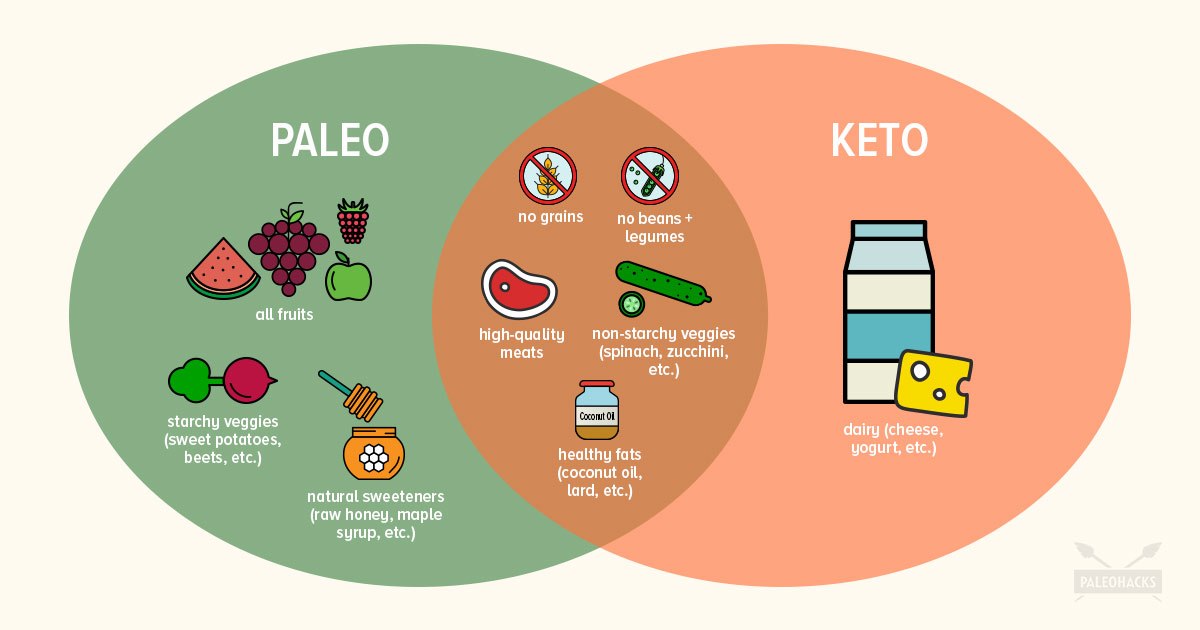

Core Differences Between Paleo and Keto
The primary distinction between paleo and keto lies in their fundamental goals. Paleo focuses on food quality, emphasizing whole, unprocessed ingredients. Keto focuses on metabolic state, specifically inducing ketosis through strict carbohydrate restriction.
Paleo: Food Quality First
The paleo diet mimics the eating patterns of our hunter-gatherer ancestors. It eliminates processed foods, refined sugars, grains, legumes, and dairy. The focus is on lean meats, fish, fruits, vegetables, nuts, and seeds. While it naturally reduces carbohydrate intake, it does not strictly limit macronutrient ratios. You can eat paleo without entering ketosis if you consume enough fruit or starchy vegetables.
Keto: Metabolic State First
The ketogenic diet is defined by its macronutrient composition. It requires high fat, moderate protein, and very low carbohydrate intake (typically under 50 grams per day). The goal is to shift the body’s energy source from glucose to ketones, a state called ketosis. Unlike paleo, keto allows processed foods as long as they fit the macro targets, though whole foods are generally preferred for health.
The Overlap and the Divide
There is significant overlap between the two diets. Both encourage whole foods and discourage processed items. However, the mechanisms differ. Paleo restricts certain food groups entirely. Keto restricts nutrients based on chemical composition. As noted by Harvard Health, a paleo diet can become ketogenic if simple carbs are limited enough, but it is not designed for that purpose. Keto is designed for that purpose, regardless of food source.
Understanding this difference helps determine which approach aligns with your health goals. Paleo is often chosen for lifestyle and inflammation reduction. Keto is often chosen for rapid weight loss or metabolic control.
What you eat on each diet
The Paleo vs Keto comparison often starts with a visual overlap, but the underlying rules differ significantly. Both diets emphasize whole, unprocessed foods, yet they diverge on carbohydrates and dairy. Understanding these distinctions helps you visualize your grocery list and determine which approach aligns with your goals.
Paleo focuses on eating like our hunter-gatherer ancestors, prioritizing lean meats, fish, eggs, vegetables, fruits, nuts, and seeds. It excludes grains, legumes, dairy, and refined sugars. While it restricts carbohydrates, it does not strictly limit them, meaning a Paleo diet can still be relatively high in carbs depending on fruit and vegetable intake. Keto, however, is a high-fat, very-low-carbohydrate diet designed to induce ketosis. It requires about 70% of calories from fat, 20% from protein, and only 10% from carbs. This strict macronutrient ratio eliminates almost all grains, sugars, and most fruits.
The following table breaks down the core food categories for both diets to clarify what you can and cannot eat.
| Food Category | Paleo Diet | Keto Diet | Key Difference |
|---|---|---|---|
| Vegetables | All non-starchy vegetables | Non-starchy vegetables only | Paleo allows starchy veggies like sweet potatoes; Keto does not. |
| Fruits | All fruits in moderation | Berries in small amounts | Keto restricts high-sugar fruits like bananas and apples. |
| Grains | None | None | Both diets exclude all grains. |
| Dairy | None or limited ghee | Full-fat dairy allowed | Keto allows cheese and butter; Paleo typically excludes them. |
| Legumes | None | None | Both diets exclude beans, lentils, and peanuts. |
| Nuts & Seeds | All nuts and seeds | Most nuts and seeds allowed | Keto limits high-carb nuts like cashews. |

The primary distinction lies in flexibility. Paleo is less about counting macros and more about food quality. Keto is a metabolic state that requires strict adherence to carb limits. For example, a Paleo eater might enjoy a bowl of berries and yogurt, while a Keto eater would avoid the yogurt and limit the berries to a few slices. Both diets avoid processed foods, but Keto demands a higher intake of healthy fats like avocados, olive oil, and fatty fish to maintain energy levels.
Choosing between them often depends on your preference for dairy and fruits. If you enjoy cheese and don't mind limiting fruit, Keto might feel more sustainable. If you prefer a wider variety of fruits and starchy vegetables, Paleo offers more flexibility without the strict macro counting.
How Keto and Paleo Drive Weight Loss
The Paleo vs Keto debate often centers on speed and mechanism. While both diets can produce significant weight loss, they achieve it through different metabolic pathways. Keto relies on strict macronutrient manipulation to force the body into ketosis, whereas Paleo focuses on food quality to naturally reduce inflammation and improve satiety.
Keto is designed to induce a state of ketosis, where the body shifts from burning glucose to burning fat for fuel. This transition typically happens within a few days of severely restricting carbohydrates to under 50 grams per day. The resulting drop in insulin levels and the presence of ketones can suppress appetite, leading many people to eat fewer calories without conscious restriction. This rapid fat adaptation often results in quick initial weight loss, though some of this may be water weight.
Paleo takes a different approach by emphasizing whole, unprocessed foods. By eliminating grains, legumes, and refined sugars, Paleo naturally reduces calorie density and increases nutrient density. The high intake of protein and fiber from meats, vegetables, and nuts promotes fullness, helping individuals eat less over time. Research from Scripps Clinic suggests that while Paleo may not induce ketosis, its focus on reducing inflammation and stabilizing blood sugar can lead to sustainable, long-term weight management.
The choice between the two often depends on your metabolic goals. Keto offers a structured, rapid intervention for those who need a clear rule set, while Paleo provides a flexible, whole-food framework that may be easier to maintain socially and culturally. Both diets remove processed junk, which is the primary driver of weight loss in either case.
Sustainability and long-term adherence
The most effective diet is the one you can maintain. When comparing Paleo vs Keto for weight loss, sustainability often outweighs the initial speed of results. Keto’s strict carbohydrate limits create a clear binary: you are either in ketosis or you are not. This precision helps some people stick to the plan, but it can make social dining and travel difficult. Paleo offers more flexibility regarding carbohydrate intake, allowing for fruits and starchy vegetables, which can make long-term adherence easier for those who enjoy a wider variety of plant foods.
Social flexibility is a major factor in dietary success. Keto requires constant label reading and careful tracking of macros, which can feel isolating in social settings. Paleo is less about counting grams and more about food quality, making it easier to navigate restaurant menus or family gatherings without feeling restricted. However, Paleo’s restriction of dairy and grains can also be challenging for those who rely on these staples for convenience.
Nutrient gaps are another consideration for long-term health. Keto’s exclusion of most fruits and legumes can lead to deficiencies in fiber, potassium, and magnesium if not carefully planned. Paleo’s emphasis on whole foods generally provides a broader range of micronutrients, but the exclusion of dairy may require attention to calcium and vitamin D intake. Both diets benefit from thoughtful meal planning to ensure nutritional adequacy over time.
-
Can I eat this at a restaurant?
-
Does this fit my budget?
-
Can I maintain this for years, not just months?
Common questions about paleo and keto
Navigating the differences between these two popular approaches often raises specific questions about metabolic states and dietary strictness. Understanding these nuances helps clarify which plan might align better with your health goals.
No comments yet. Be the first to share your thoughts!