

Why batch cooking paleo works
The biggest hurdle in paleo meal prep is not the cooking itself, but the constant decision-making that follows it. On a busy Tuesday, the temptation to skip a whole-food meal for something processed is strong. Batch cooking removes this friction by ensuring that healthy options are already prepared and waiting for you.
When you cook in batches, you are essentially buying back your mental energy. Instead of spending 20 minutes deciding what to eat and another 30 minutes cooking, you can simply reheat a meal that adheres to your dietary principles. This consistency is what makes the paleo lifestyle sustainable long-term, rather than a short-lived experiment.
Paleo ingredients like meats, root vegetables, and leafy greens are naturally shelf-stable or keep well in the refrigerator for several days. This makes them ideal candidates for batch preparation. By focusing on whole foods that hold up well to reheating, you avoid the soggy textures and flavor degradation often associated with processed convenience meals.
The result is a streamlined workflow where nutrition is automatic. You no longer need to rely on willpower to make the right choice because the right choice is the easiest one. This structure supports adherence to the diet during high-stress periods, ensuring you stay on track without the daily mental load of meal planning.
The Paleo Prep Formula
Success in paleo meal prep doesn't require gourmet skills or hours in the kitchen. It relies on a simple, repeatable formula that balances nutrition while keeping shopping and cooking time to a minimum. Think of your weekly prep like building a sturdy table: you need a solid base, reliable legs, and a flat top to hold everything together. In this framework, those parts are one protein, two vegetables, one healthy fat source, and one starch alternative.
Start with a single, large protein source. Roasting a whole chicken, baking a batch of salmon fillets, or slow-cooking a chuck roast provides the foundation for multiple meals. This approach ensures you have enough lean protein to keep you satiated without the hassle of cooking for every single lunch and dinner separately. Pair this with two distinct vegetables—one leafy or raw, such as spinach or arugula, and one that roasts well, like broccoli, zucchini, or bell peppers. Cooking them together or separately in large batches creates volume and fiber, which is essential for digestive health on a paleo diet.
To round out the plate, add one healthy fat source and one starch alternative. The fat, whether it's avocado, olive oil, or nuts, adds flavor and helps your body absorb nutrients from the vegetables. The starch alternative replaces grains with nutrient-dense options like cauliflower rice, sweet potato cubes, or roasted carrots. This combination prevents flavor fatigue; by rotating the vegetables and starches while keeping the protein consistent, you can create entirely different meals from the same ingredients.
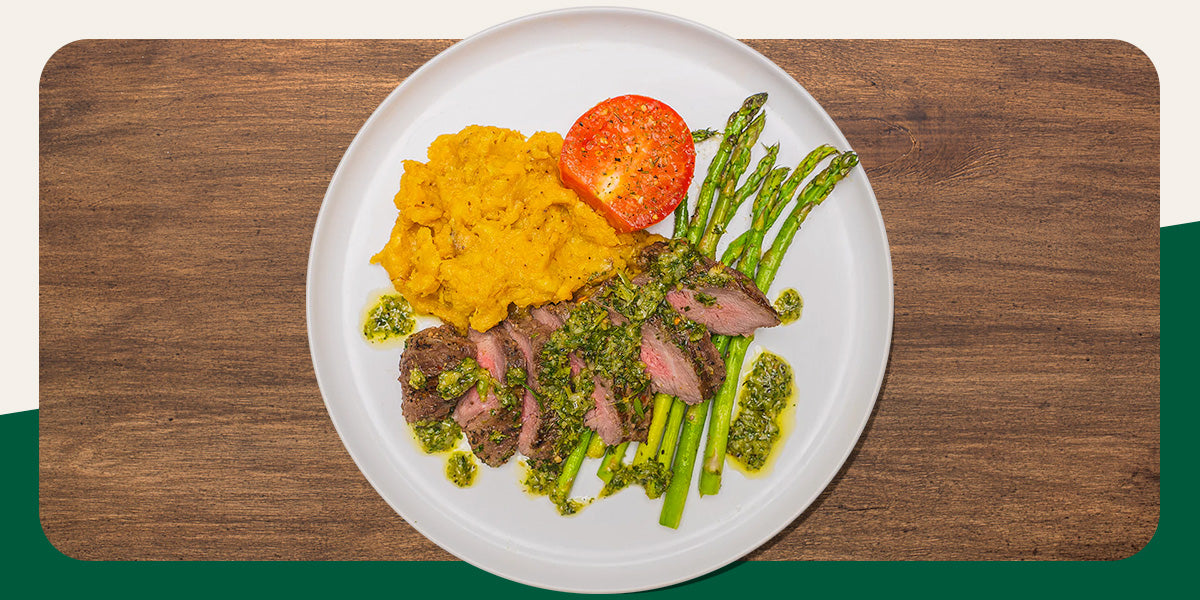
This methodical approach turns paleo meal prep from a chore into a streamlined system. You spend your Sunday shopping for four categories of ingredients and cooking them in distinct batches. By mid-week, you simply reheat and combine these components in different ways. One day might feature chicken with roasted broccoli and cauliflower rice, while another swaps in salmon with sautéed spinach and sweet potatoes. The result is variety without the complexity of planning unique recipes for every meal, ensuring you stay on track with your healthy eating goals throughout the busy week.
Batch cook in four steps
The most efficient way to execute your Paleo meal prep is to treat your oven as the primary workhorse. By roasting your proteins and vegetables simultaneously on sheet pans, you minimize active stirring time and maximize cleanup ease. This method keeps the workflow linear: prep, season, roast, and store.
1. Prep and arrange the vegetables
Start by washing and chopping your chosen vegetables into uniform sizes. Uniformity ensures even cooking, preventing some pieces from turning to mush while others remain raw. Toss them lightly with olive oil, sea salt, and black pepper. Spread them out in a single layer on a large baking sheet. If you are using dense root vegetables like sweet potatoes or carrots, cut them slightly smaller than softer vegetables like zucchini or bell peppers.
2. Season the proteins
While the oven preheats, prepare your meat. Whether you are using chicken thighs, ground turkey, or salmon fillets, keep the seasoning simple to let the natural flavors shine. Rub the meat with a little avocado oil or ghee, then season with herbs like rosemary, thyme, or paprika. Place the protein on a separate baking sheet or arrange it alongside the vegetables if you have enough oven space. Avoid overcrowding; air circulation is key to proper roasting.
3. Roast together
Place your sheets in the oven at 400°F (200°C). Roasting time will vary depending on the cut of meat and vegetable density, but generally, 20-30 minutes is sufficient for most Paleo proteins and veggies. Check the internal temperature of the meat to ensure it is fully cooked. The vegetables should be tender-crisp and slightly caramelized at the edges. This hands-off period is where you can organize your storage containers or tackle other household tasks.
4. Cool and portion
Once the food is done, remove the sheets from the oven and let everything cool to room temperature. This step is critical for food safety and texture; placing hot food directly into containers can create condensation, which leads to soggy meals and faster spoilage. Once cooled, divide the portions into your meal prep containers. Aim for balanced ratios of protein to vegetables in each container.
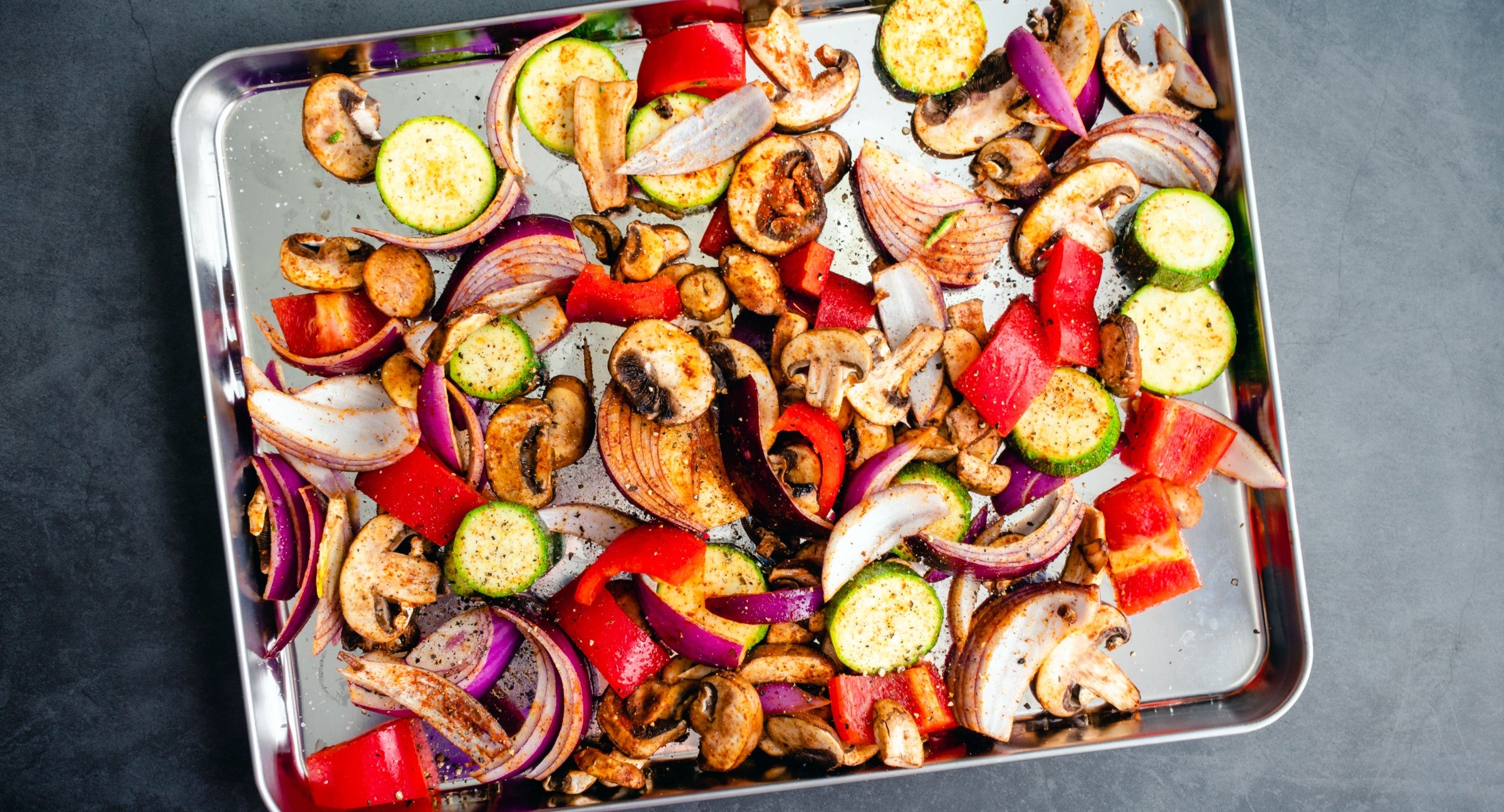
Wash, chop, and toss vegetables with oil and spices. Spread them evenly on a baking sheet for uniform roasting.
Rub proteins with healthy fats and herbs. Place on a separate sheet or alongside veggies, ensuring space for air circulation.
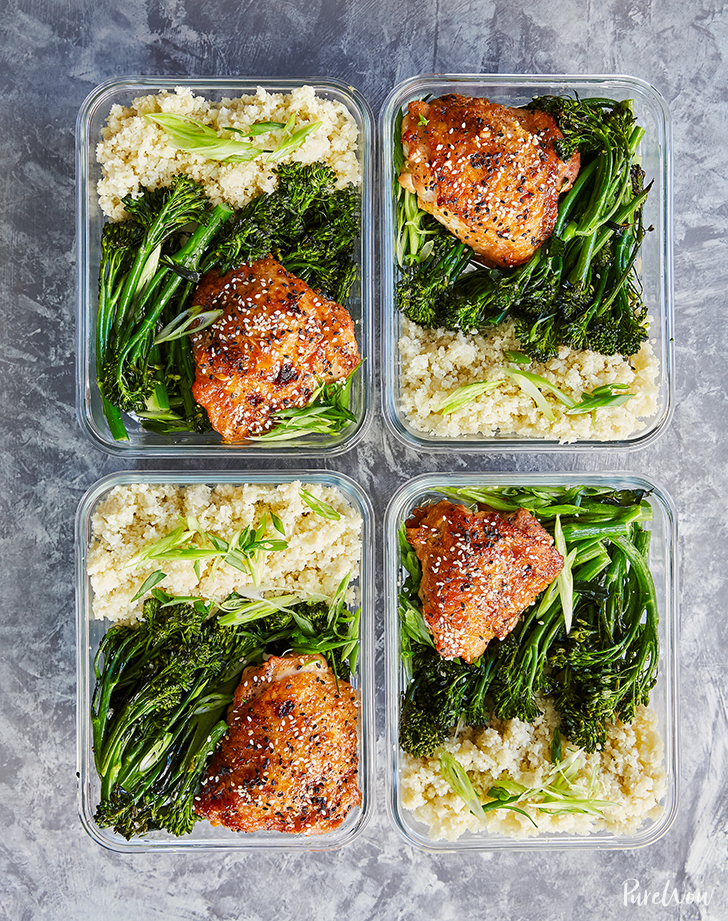
Bake at 400°F for 20-30 minutes. Check meat temperature and vegetable tenderness before removing from heat.
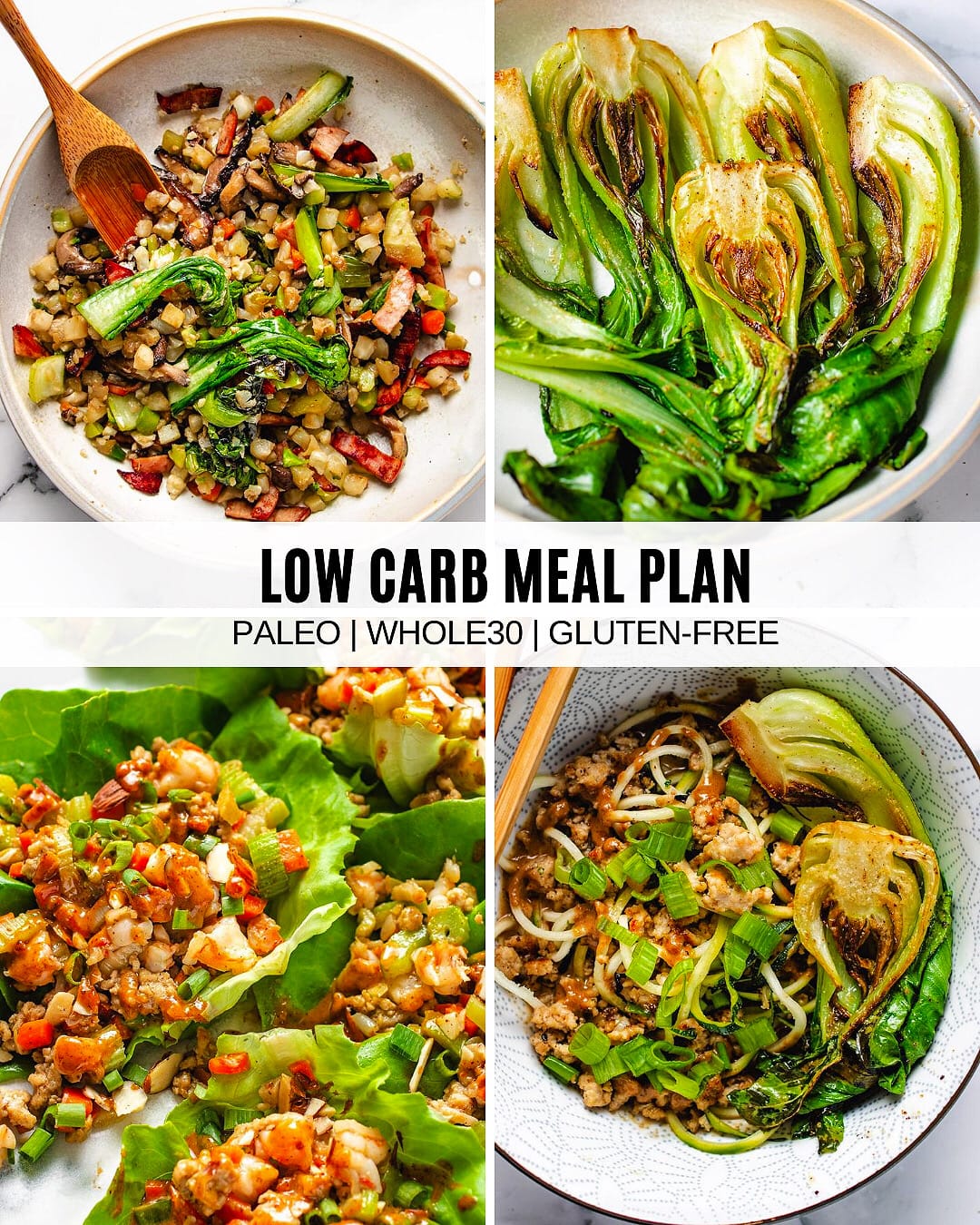
Let food cool completely to prevent condensation. Divide into balanced portions for the week ahead.
Storing and reheating your paleo prep
How you store your meals determines whether they taste like a fresh dinner or a sad office lunch. Paleo ingredients behave differently than processed foods. Without preservatives, vegetables soften faster, and proteins can dry out if reheated aggressively. Treat your batch-cooked food with the same care as a fresh grocery haul.
The cooling rule
Never put hot food directly into the fridge. The temperature spike raises the risk of bacterial growth for the entire batch. Let your paleo meal prep cool to room temperature within two hours of cooking. Spread portions out on a baking sheet if you are short on fridge space. This speeds up the process and keeps your kitchen from feeling like a sauna.
Choosing the right containers
Glass is the gold standard for storage. It doesn’t stain from tomato sauces or turmeric, and it reheats evenly in the microwave. Plastic containers often warp or leave a plastic taste in acidic dishes. If you must use plastic, choose BPA-free options designed for high heat. Always label your containers with the date. Paleo meals are best eaten within three to four days of refrigeration.
Freezing for longer stays
You can freeze most paleo dishes for up to one month. Soups, stews, and roasted meats freeze well. Avoid freezing dishes with high water content like zucchini or lettuce, as they become mushy upon thawing. Leave about an inch of headspace in your containers to allow for expansion. Thaw overnight in the refrigerator before reheating.
Reheating without ruining texture
The biggest mistake people make is blasting food in the microwave on high power. This turns tender meat into leather and vegetables into slime. Reheat on medium power in 30-second intervals. Add a splash of water or broth to soups and stews to restore moisture. For meats, a quick sear in a pan after microwaving can bring back some of that lost texture.
-
Cool food completely before sealing containers
-
Use glass containers to prevent staining and warping
-
Label with the date of preparation
-
Refrigerate for 3-4 days or freeze for up to 1 month
-
Reheat gently with added moisture to preserve texture
Troubleshooting common issues
If your roasted vegetables are soggy, try reheating them in a toaster oven or air fryer instead of the microwave. The dry heat will crisp them back up. For dried-out chicken or beef, cover the dish with a damp paper towel while microwaving. This creates steam that helps rehydrate the meat. If your meal looks watery, it likely released juices during storage. Simply drain the excess liquid before eating or use it as a base for a sauce.
How the 3-Day Paleo Plan Works
The goal of this 3-day Paleo meal prep is to build a modular system. Instead of cooking three entirely different meals, you prepare five core components that mix and match. This approach saves time while keeping flavors distinct enough to prevent boredom.
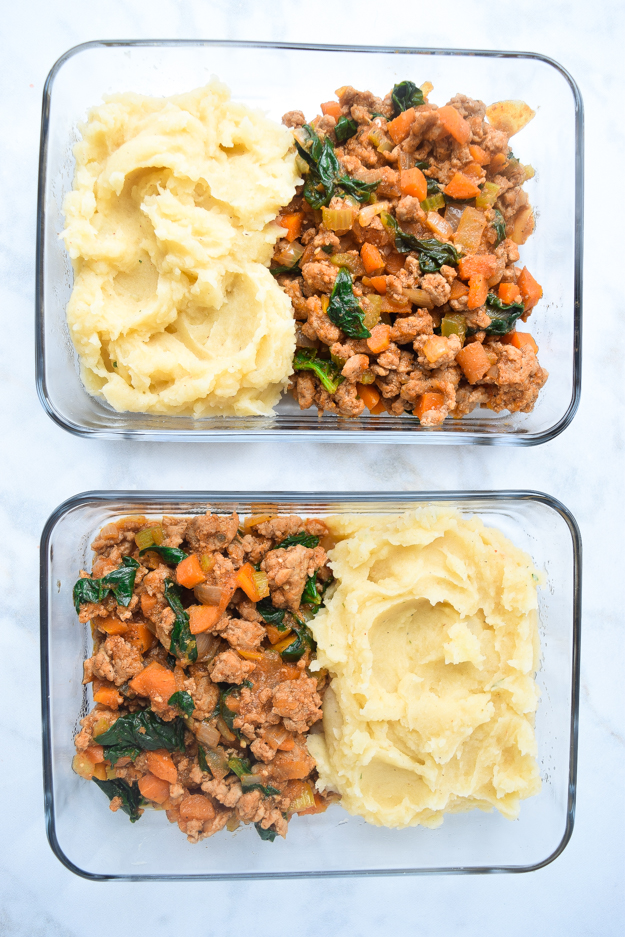
Start with the roasted chicken thighs and sweet potato cubes. Pair them with the massaged kale and a drizzle of the lemon-tahini dressing. This is your highest-protein day, designed to fuel a busy morning.
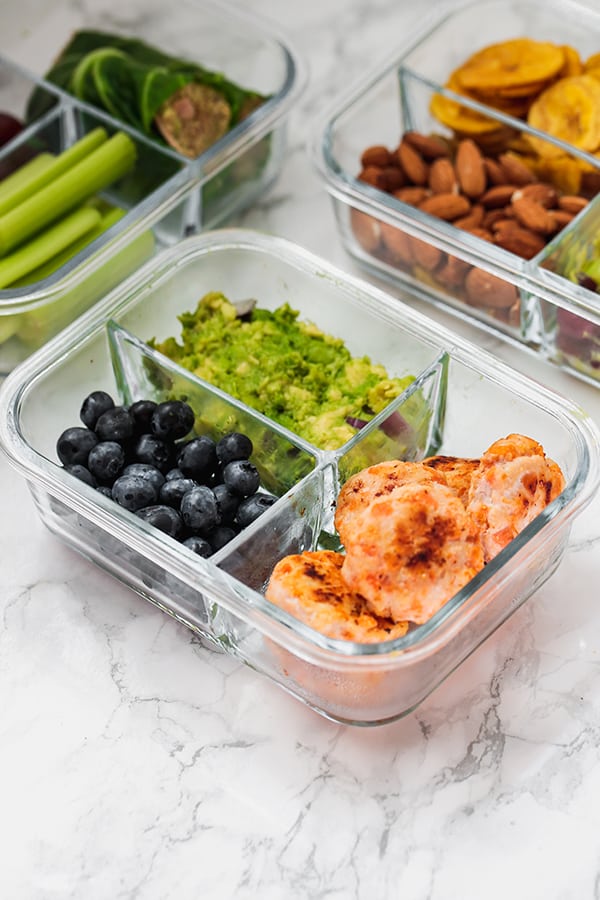
Swap the chicken for the ground beef mixture. Use the same sweet potato base but add the steamed broccoli. Dress with the ginger-soy (paleo-compliant) sauce for an Asian-inspired flavor profile that feels completely different from Day 1.
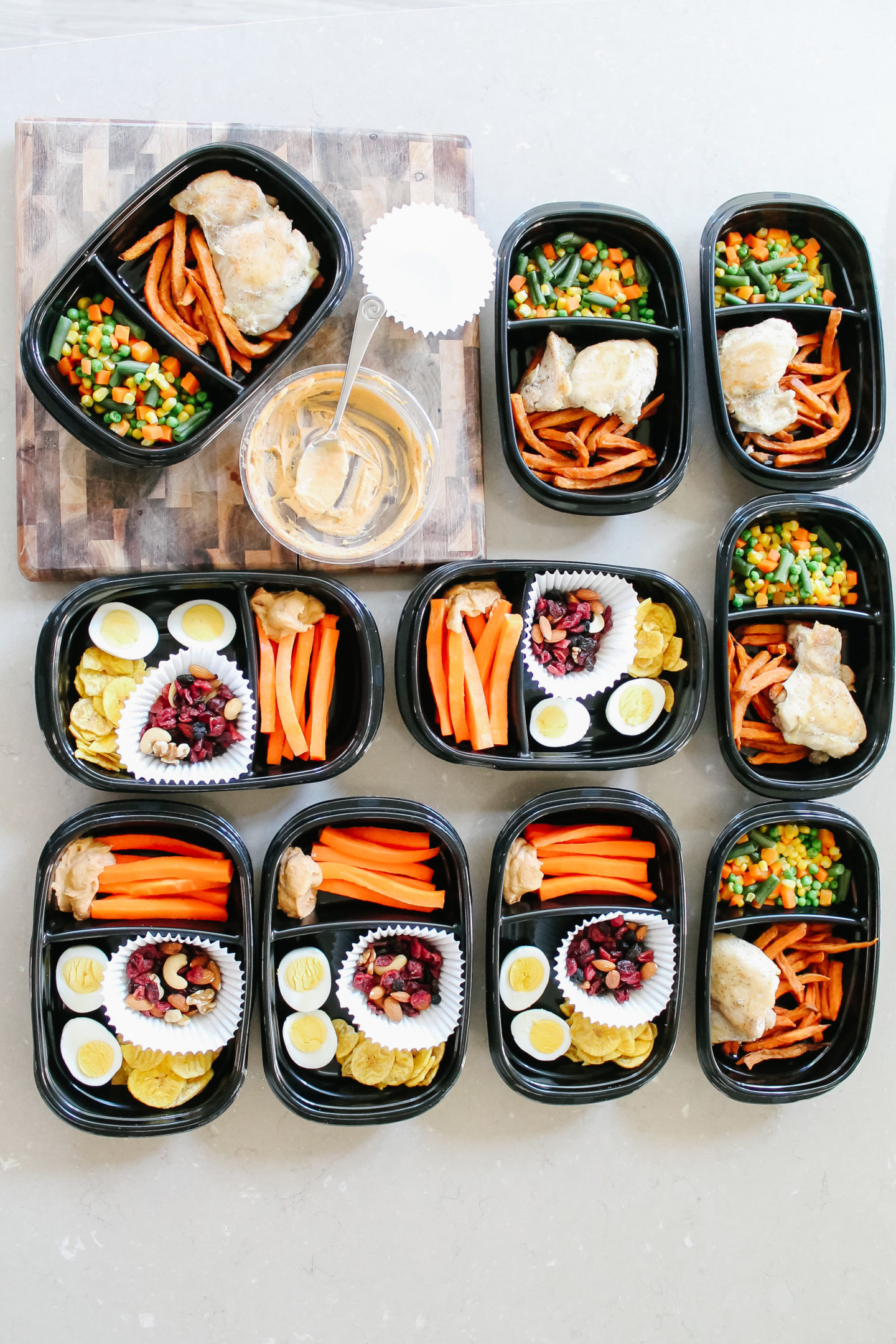
Use the remaining ground turkey (or extra chicken if you doubled the recipe). Serve it over a large bed of spinach with sliced avocado and the remaining kale. This lighter, cooler option is perfect for days when you want something less heavy than the roasted bowls.
By keeping the starch and vegetable base consistent, you reduce the cognitive load of decision-making. You only need to change the protein and the sauce to create a new experience. This simple shift makes sticking to a Paleo meal prep schedule sustainable for weeks.
Common paleo prep: what to check next
Addressing logistical hurdles like cost, variety, and dietary compliance can reduce the anxiety that often comes with starting a new eating routine. By preparing for these specific challenges upfront, you make the process of paleo meal prep feel manageable rather than overwhelming.
Can I freeze paleo meals?
Freezing is one of the most effective ways to extend the life of your paleo meal prep. Most protein-heavy dishes, such as ground turkey with vegetables or chicken stews, freeze well for up to three months. To prevent freezer burn, use airtight containers or heavy-duty freezer bags, removing as much air as possible before sealing.
Vegetables with high water content, like zucchini or lettuce, may become mushy after thawing, so it is best to freeze cooked grains (like cauliflower rice) and meats instead. Always label your containers with the date so you can rotate your stock and eat the oldest meals first.
How do I keep veggies from getting soggy?
Texture is often the first thing to suffer in meal prep, but you can maintain crispness with a few simple adjustments. Store wet ingredients separately from dry ones whenever possible. For example, keep salad dressing or sauce in a small side container rather than pouring it over the greens in your main meal prep box.
When roasting vegetables for the week, slightly undercook them during the initial prep. They will continue to soften when reheated in the microwave or oven, ensuring they retain some bite and don't turn into a mushy mess by day three.
Is paleo meal prep expensive?
While organic, grass-fed meats and specialty paleo-friendly products can add up, you can keep costs down by focusing on whole, unprocessed foods. Buying proteins in bulk, such as whole chickens or large cuts of beef, significantly reduces the price per serving compared to pre-portioned packages.
Incorporate more affordable plant-based proteins and seasonal vegetables into your rotation. Root vegetables like carrots, potatoes, and sweet potatoes are nutrient-dense, budget-friendly, and store well throughout the week, providing a cost-effective foundation for your meals.
No comments yet. Be the first to share your thoughts!