
2026 paleo meal prep saves time
Dedicating a few hours to 2026 paleo meal prep on the weekend eliminates the daily decision fatigue that derails most diets. By prepping versatile components—roasted vegetables, grilled proteins, and healthy fats—you remove the friction of cooking from scratch every evening. This approach keeps meals interesting while ensuring you stick to your dietary goals during a hectic workweek.
The result is a significant reduction in daily cooking time. With pre-cooked staples ready to go, assembling a nutritious, whole-food meal takes less than ten minutes. You trade a single block of weekend time for five stress-free evenings, allowing you to focus on your work and family instead of wondering what to cook.
Your 5-day Paleo shopping list
A focused shopping list prevents impulse buys and ensures you have exactly what you need for the week. By sticking to whole foods and lean proteins, you minimize waste and keep costs predictable. This consolidated list covers the core ingredients for proteins, vegetables, and healthy fats, designed to support five days of efficient Paleo meal prep.
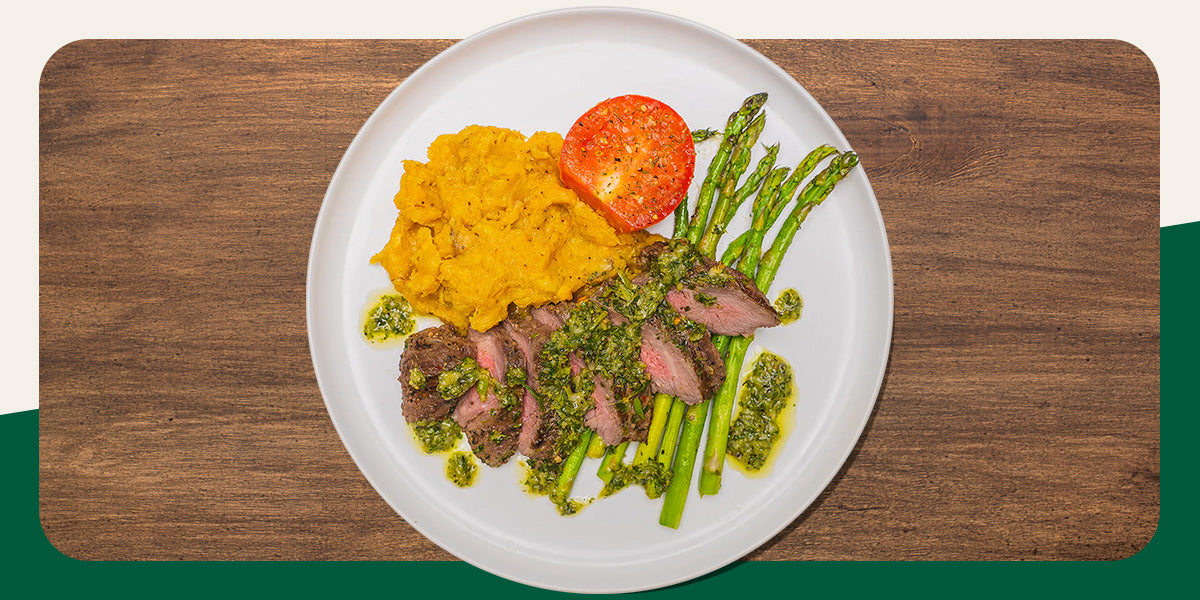
Core Ingredients
Use the checklist below to track your purchases. Grouping items by category helps you move through the store quickly, reducing the time spent hunting for specific Paleo-friendly alternatives.
-
Proteins: Grass-fed beef, chicken thighs, wild-caught salmon, eggs
-
Vegetables: Spinach, broccoli, bell peppers, zucchini, sweet potatoes
-
Healthy Fats: Avocados, olive oil, almonds, coconut oil
-
Pantry: Sea salt, black pepper, garlic, fresh herbs
Streamline your Sunday prep
Efficiency is the backbone of successful Paleo meal prep. By batching cooking tasks and using high-heat methods like sheet-pan roasting, you can prepare a week’s worth of meals in under three hours. This approach minimizes daily decision fatigue and ensures you have clean, nutrient-dense food ready to grab.
Start by organizing your workspace. Wash and chop all vegetables first, then move to proteins. This "mise en place" strategy keeps your kitchen tidy and prevents cross-contamination. Keep your Paleo principles in mind: no grains, no dairy, and minimal processed ingredients.
Step 1: Prep and roast vegetables
Roasting vegetables concentrates their natural sugars and adds depth of flavor without extra calories. Toss chopped broccoli, bell peppers, zucchini, and sweet potatoes in olive oil, sea salt, and black pepper. Spread them in a single layer on large baking sheets to ensure even cooking and proper caramelization. Roast at 400°F (200°C) for 20–25 minutes until tender and slightly charred.
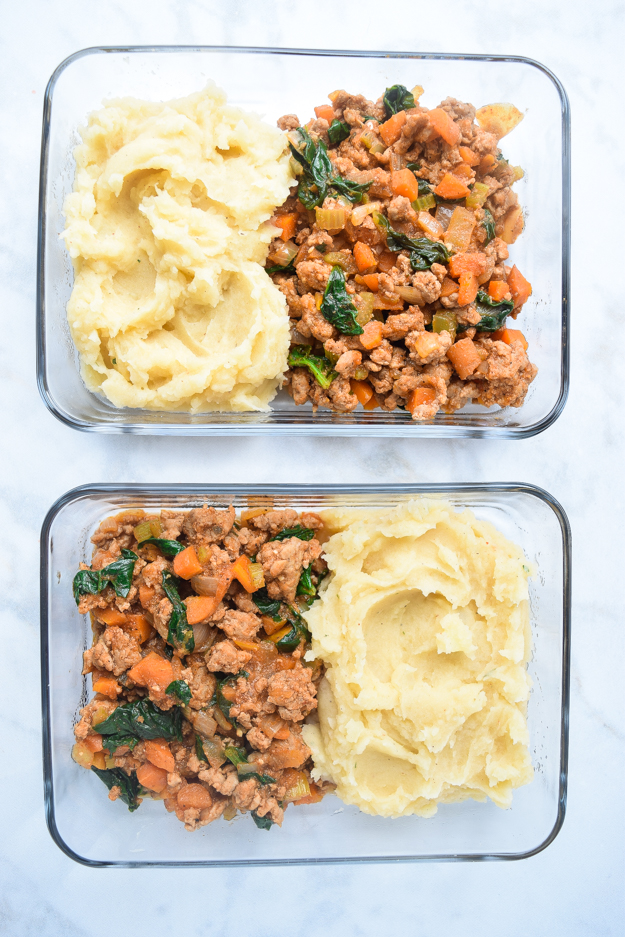
Roast broccoli, bell peppers, zucchini, and sweet potatoes at 400°F for 20–25 minutes. Single-layer spreading ensures even caramelization and texture.
Cook cauliflower rice or certified gluten-free grains like quinoa. For cauliflower rice, pulse florets in a food processor, then sauté in a large skillet with a little olive oil for 5–7 minutes until tender. Drain excess moisture to prevent sogginess.
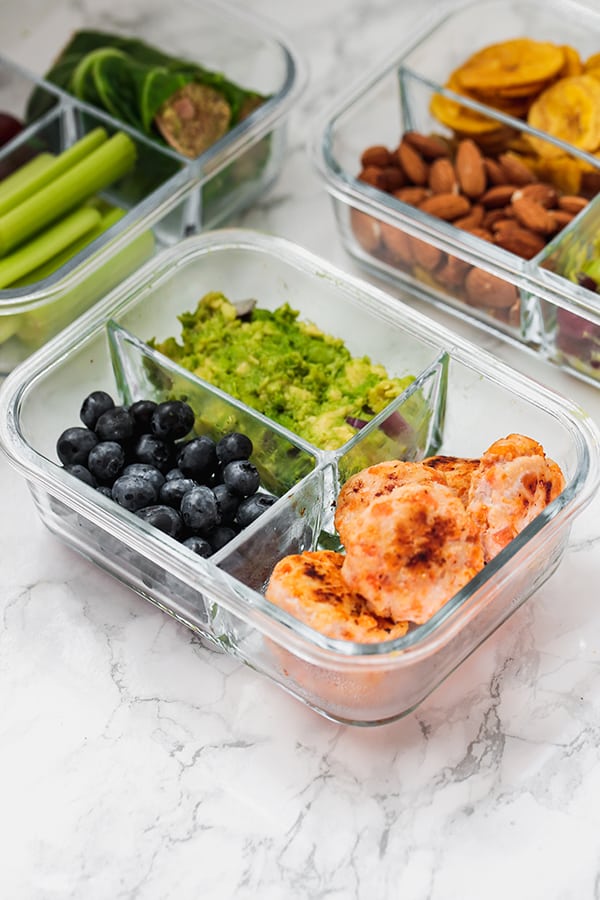
Season chicken breasts, ground turkey, or salmon with herbs and spices. Pan-sear or bake in batches. Let proteins rest for 5 minutes before slicing to retain juices. Cook to safe internal temperatures: 165°F for poultry, 145°F for fish.
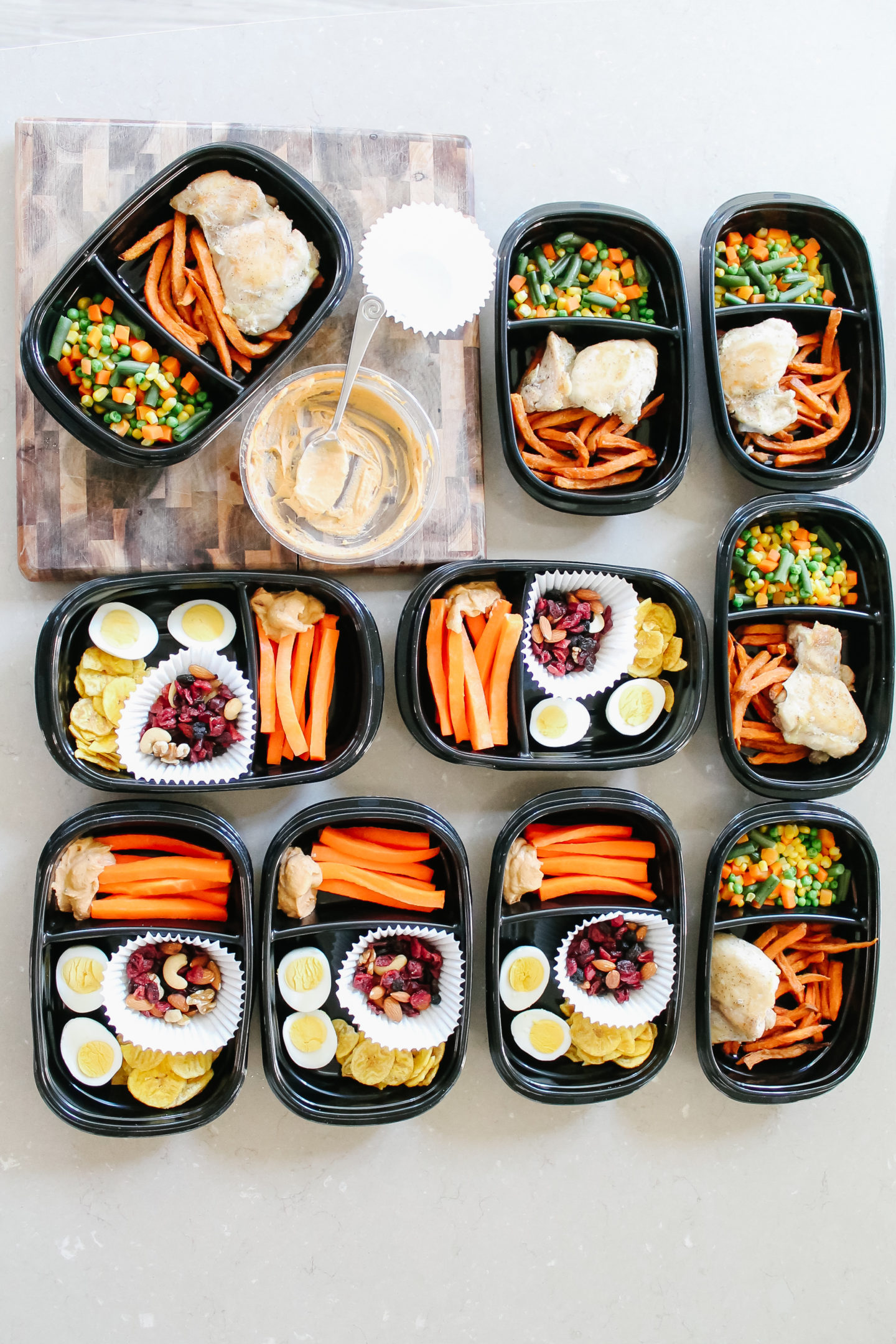
Divide components into glass or BPA-free plastic containers. Aim for a balanced ratio: 1/2 vegetables, 1/4 protein, 1/4 healthy fats (like avocado or nuts). Seal tightly and label with dates. Store in the fridge for up to 4 days or freeze for longer storage.
Step 2: Batch-cook cauliflower rice
Since Paleo excludes grains, cauliflower rice is a staple. Pulse cauliflower florets in a food processor until they resemble rice grains. Sauté in a large skillet with olive oil for 5–7 minutes until tender but not mushy. Alternatively, cook certified gluten-free grains like quinoa or millet if you prefer a heartier texture. Drain any excess liquid to prevent your meals from becoming soggy during the week.
Step 3: Cook proteins in batches
Season your proteins simply with salt, pepper, garlic powder, and fresh herbs. Pan-sear chicken breasts, ground turkey, or salmon in batches. Let them rest for 5 minutes after cooking to retain juices. Properly cooked proteins ensure food safety and better texture. Aim for 165°F for poultry and 145°F for fish.
Step 4: Assemble and store meals
Combine your roasted vegetables, cauliflower rice (or grain), and protein into meal prep containers. A balanced plate typically includes half vegetables, a quarter protein, and a quarter healthy fats like avocado or nuts. Use glass or BPA-free plastic containers for easy reheating. Seal tightly, label with the date, and refrigerate for up to 4 days. For longer storage, freeze individual portions.
Core Paleo recipes for the week
These recipes form the backbone of your five-day plan, balancing protein, healthy fats, and fiber to sustain energy during busy workdays. Each dish is designed for batch cooking, ensuring you can assemble meals in minutes rather than spending hours in the kitchen daily.
Sheet Pan Chicken Fajitas
This lunch centerpiece is a one-pan wonder that minimizes cleanup while maximizing flavor. The combination of lean chicken breast and crisp peppers provides a satisfying texture contrast that holds up well in meal prep containers. Roasting the vegetables alongside the protein allows the flavors to meld, creating a dish that tastes fresh even after refrigeration.
Storage and Freshness Tips
Proper storage is critical for maintaining the quality of your paleo meal prep. Use airtight glass containers to prevent moisture loss and odor transfer. Keep sauces and dressings separate until just before eating to preserve the texture of the vegetables and proteins.
Sweet Potato & Sausage Breakfast Bowls
Start your day with a savory breakfast that keeps you full until lunch. These bowls combine nutrient-dense sweet potatoes with high-quality sausage, offering a complex carbohydrate source that stabilizes blood sugar levels throughout the morning.
Garlic Chicken Meatballs with Cauliflower Rice
For dinner, these meatballs offer a comforting yet light option that aligns with paleo guidelines. The cauliflower rice serves as a low-carb base, absorbing the savory garlic sauce while keeping the meal light enough for evening digestion.
Egg Muffin Cups with Veggies
These portable muffin cups are perfect for grab-and-go breakfasts or snacks. They are packed with protein and vegetables, making them a convenient way to ensure you meet your daily nutrient requirements without spending time cooking each morning.
Keep Paleo meals safe and fresh
Storing your prepped food correctly is the difference between a healthy Tuesday lunch and a food safety risk. Paleo meals often lack the preservatives found in processed foods, making proper storage even more critical for busy professionals who rely on these meals throughout the week.
Choosing the right containers
Glass containers are the gold standard for Paleo meal prep. They don’t absorb odors or stains from turmeric-rich curries or acidic tomato-based sauces. Unlike plastic, glass won’t leach chemicals when reheated, keeping your meals clean and pure. Look for sets with tight-fitting, airtight lids to prevent leaks in your bag and maintain freshness.
Refrigeration and freezing
Your fridge should be set to 40°F (4°C) or below to slow bacterial growth. Divide large batches of soup or stew into smaller portions before cooling; this helps them reach a safe temperature faster. For meals you won’t eat within four days, freeze them immediately. Label each container with the date so you can rotate your stock, eating the oldest portions first.
Reheating with care
When reheating, ensure the food reaches 165°F (74°C) to kill any potential bacteria. Use the microwave for quick lunches, stirring halfway through to ensure even heating. For stovetop reheating, add a splash of water or bone broth to soups and stews to prevent them from drying out. Avoid repeatedly heating and cooling the same portion, as this degrades both flavor and safety.
Common paleo meal prep: what to check next
Sticking to a Paleo diet while working full-time requires practical adjustments. The following questions address the most frequent hurdles professionals face when transitioning to this lifestyle.
No comments yet. Be the first to share your thoughts!