
Paleo and Keto: A Head-to-Head Look at Today’s Popular Diets
The Paleo and Keto diets consistently rank among the most talked-about eating plans, and for good reason. Both have compelling promises: weight loss, increased energy, and improved health. But despite sharing some similarities – namely, carbohydrate restriction – they operate on fundamentally different principles. It's easy to get lost in the details, and I think the confusion stems from assuming they're interchangeable.
The Paleo diet, often called the "caveman’ diet, mimics the eating habits of our Paleolithic ancestors. The idea is that human genetics haven"t evolved at the same pace as the agricultural revolution, leaving us ill-equipped to process modern foods like grains and legumes. It focuses less on strict macronutrient targets and more on food types. People gravitate towards Paleo because it feels like a return to a simpler, more natural way of eating.
Keto, short for ketogenic, is a much more specific and prescriptive approach. It focuses on drastically reducing carbohydrate intake to force the body into a metabolic state called ketosis, where it begins burning fat for fuel instead of glucose. This diet originated in the 1920s as a medical treatment for epilepsy, but its popularity as a weight-loss tool has exploded in recent years. The appeal of Keto lies in its potential for rapid results, but that comes with a significant level of commitment.
Neither diet should be dismissed as a fleeting trend. Both have anecdotal evidence and growing scientific research supporting their benefits. The real question isn’t which diet is better, but which diet is better for you and your individual goals. This article breaks down both approaches to help you make an informed decision.
The Core Rules: What Can You Actually Eat on Paleo and Keto?
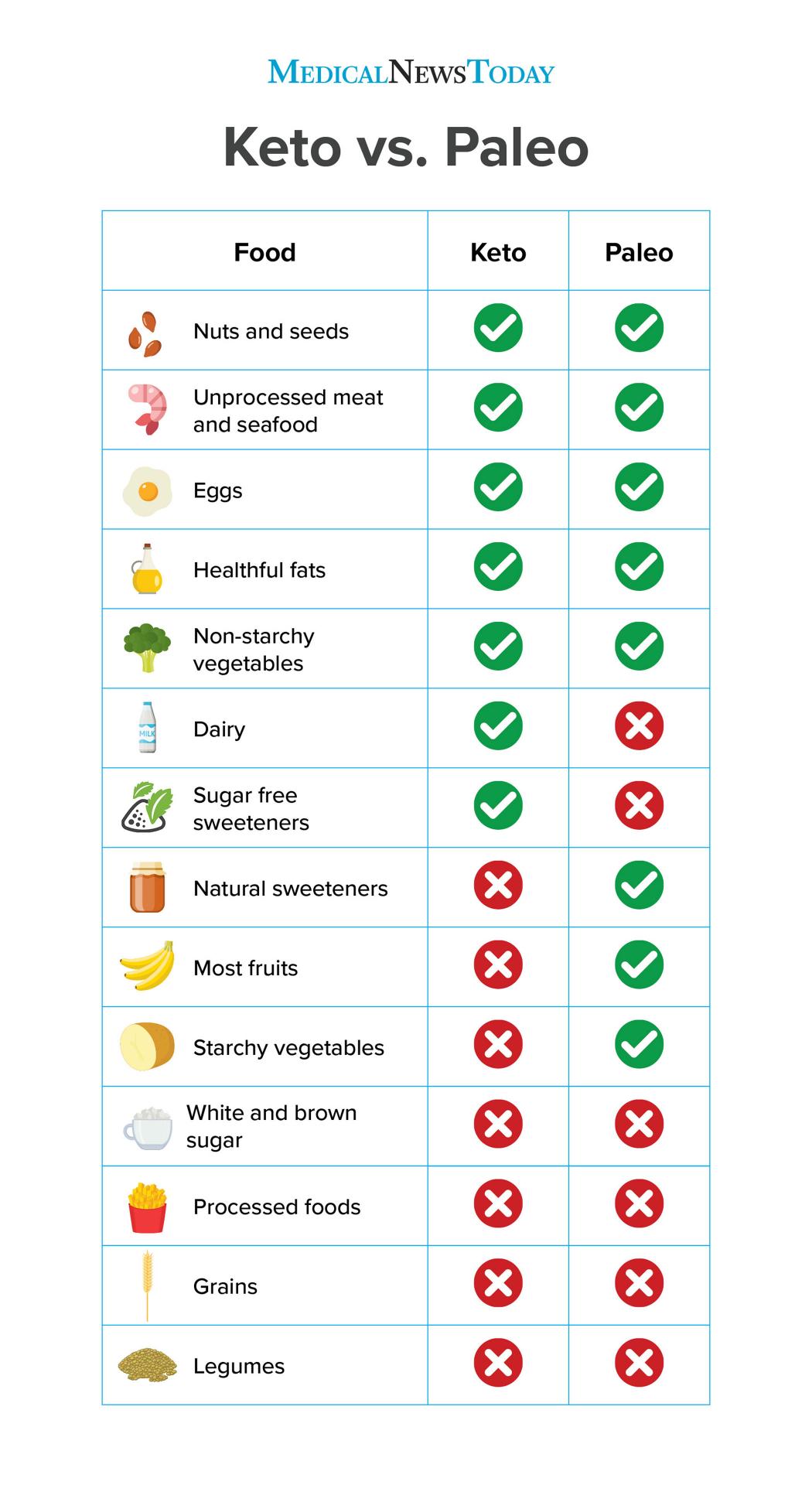
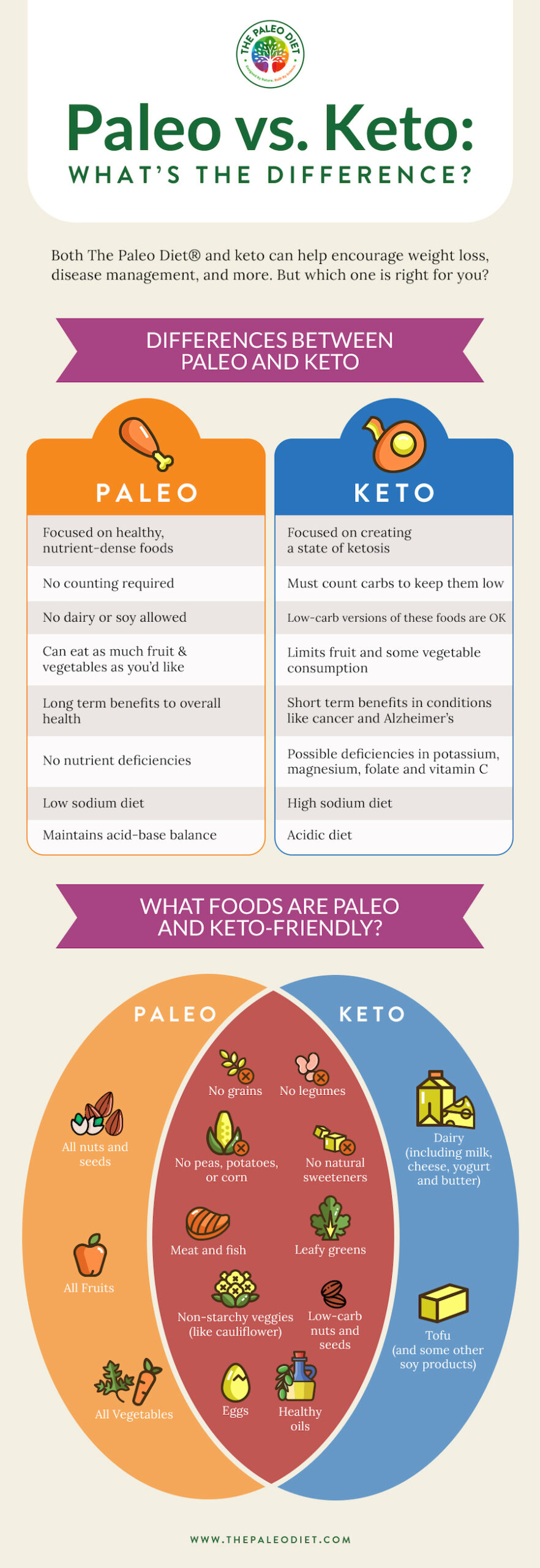
The Paleo diet is about eating whole, unprocessed foods. It's an elimination diet, removing foods we believe our ancestors didn’t consume. This means a focus on lean proteins, fruits, vegetables, nuts, and seeds. It’s not just what you eat, but also how it’s prepared – minimal processing is key.
Paleo allows grass-fed meats, poultry, fish, eggs, a variety of fruits and vegetables (sweet potatoes are generally accepted), nuts and seeds, and healthy fats like olive oil and avocado oil. Restricted foods include grains (wheat, rice, corn), legumes (beans, lentils, peanuts), dairy, processed foods, refined sugar, and artificial sweeteners. There’s some wiggle room, though. Some people include white rice, especially if they’re very active, as a source of quick energy.
Keto is different. It focuses almost entirely on macronutrient ratios. The goal is to consume roughly 70-80% of your calories from fat, 20-25% from protein, and only 5-10% from carbohydrates. This typically translates to less than 50 grams of net carbs per day – and for many, even less.
On Keto, eat plenty of fatty cuts of meat, fish, eggs, avocados, nuts, seeds, and non-starchy vegetables like spinach and broccoli. Dairy is allowed, but often limited to high-fat options like heavy cream and hard cheeses. The forbidden list is extensive: grains, legumes, fruits (except small portions of berries), starchy vegetables (potatoes, corn), sugar, and most processed foods. It’s a very restrictive diet, and precise tracking is essential to stay in ketosis.
Paleo Allowed: Meats, Fish, Fruits, Vegetables, Nuts, Seeds, Healthy Oils
Paleo Restricted: Grains, Legumes, Dairy, Processed Foods, Sugar
Keto Allowed: Fatty Meats, Fish, Eggs, Avocados, Nuts, Seeds, Non-Starchy Vegetables, High-Fat Dairy
Keto Restricted: Grains, Legumes, Fruits, Starchy Vegetables, Sugar, Processed Foods
- Paleo Allowed: Meats, Fish, Fruits, Vegetables, Nuts, Seeds, Healthy Oils
- Paleo Restricted: Grains, Legumes, Dairy, Processed Foods, Sugar
- Keto Allowed: Fatty Meats, Fish, Eggs, Avocados, Nuts, Seeds, Non-Starchy Vegetables, High-Fat Dairy
- Keto Restricted: Grains, Legumes, Fruits, Starchy Vegetables, Sugar, Processed Foods
Paleo vs. Keto: Food Allowances & Restrictions (2024)
| Food Category | Paleo - Allowed | Paleo - Restricted | Keto - Allowed | Keto - Restricted |
|---|---|---|---|---|
| Meats | Grass-fed beef, poultry, pork, game meats | Processed meats with added sugars or grains | Beef, pork, poultry, lamb | Processed meats with added carbs/sugars |
| Fish | Wild-caught salmon, tuna, mackerel, sardines | Breaded or heavily processed fish | Salmon, tuna, mackerel, sardines | Breaded or sugary-glazed fish |
| Vegetables | All non-starchy vegetables (leafy greens, broccoli, cauliflower, peppers) | White potatoes (some variations allow sweet potatoes in moderation) | Non-starchy vegetables (leafy greens, broccoli, cauliflower) | Starchy vegetables (potatoes, corn, peas) |
| Fruits | Berries, apples, oranges (in moderation) | Dried fruits, fruit juices with added sugar | Small portions of berries (strawberries, blueberries, raspberries) | Most fruits due to carbohydrate content |
| Nuts & Seeds | Almonds, walnuts, chia seeds, flax seeds | Processed nuts with added sugar or coatings | Macadamia nuts, almonds, walnuts, chia seeds, flax seeds | Cashews, pistachios (in limited quantities due to carb count) |
| Dairy | Generally avoided | Milk, cheese, yogurt, butter | High-fat dairy (heavy cream, hard cheeses) in moderation | Milk, yogurt, most soft cheeses |
| Grains | Strictly avoided | Wheat, rice, corn, oats, barley | Strictly avoided | Wheat, rice, corn, oats, barley |
| Legumes | Strictly avoided | Beans, lentils, peanuts | Strictly avoided | Beans, lentils, peanuts |
| Sweeteners | Honey, maple syrup (in very small amounts) | Refined sugar, artificial sweeteners | Stevia, erythritol, monk fruit | Sugar, honey, maple syrup, agave |
| Oils | Olive oil, avocado oil, coconut oil | Vegetable oils (soybean, corn, canola) | Olive oil, avocado oil, coconut oil, MCT oil | Vegetable oils (soybean, corn, canola) |
Data sourced from AI research — verify before making decisions
Weight Loss: How Fast Do You See Results on Paleo vs. Keto?
ght loss, Keto generally delivers faster initial results. The rapid shift into ketosis forces the body to tap into fat stores for energy, leading to a quick reduction in water weight and overall body fat. Many people report losing 5-10 pounds in the first week or two, which can be incredibly motivating. However, it’s important to remember that much of this initial loss is water weight.
Paleo, on the other hand, tends to promote more gradual, sustainable weight loss. By focusing on whole, unprocessed foods, it naturally reduces calorie intake and promotes feelings of fullness. It also emphasizes nutrient density, which supports overall health and can help regulate appetite. You won't see the same dramatic drop in weight as with Keto, but the loss is often more consistent and easier to maintain in the long run.
Dr. Samantha Harris, an endocrinologist at Scripps Clinic, notes that the speed of weight loss is often tied to metabolic adaptation. "The body is incredibly efficient at adapting to dietary changes,’ she explains. ‘Keto’s drastic carb restriction triggers a significant metabolic shift, leading to rapid weight loss. But over time, the body can adapt, and the rate of loss may slow down."
I’ve seen clients experience success with both approaches. Those who need a quick win and are disciplined enough to adhere to Keto’s strict rules often see immediate results. But for those who prefer a more flexible and sustainable approach, Paleo is often a better fit. The key is choosing a diet you can realistically stick with.
Projected Weight Loss: Paleo vs. Keto (180lb Individual)
Data: AI-generated estimate for illustration
Beyond the Scale: Energy Levels, Mood, and Overall Wellbeing
Weight loss is just one piece of the puzzle. Both Paleo and Keto can have a significant impact on energy levels, mental clarity, and overall wellbeing. Keto, by stabilizing blood sugar levels, can provide a consistent source of energy and reduce cravings. Many people report experiencing improved mental focus and reduced brain fog while in ketosis.
There’s also emerging research suggesting potential benefits of Keto for mood disorders, including bipolar disorder. A 2023 study published in The Journal of Clinical Psychiatry explored the use of Keto as an adjunct therapy for bipolar disorder, showing promising results in reducing mood swings (though larger, more comprehensive studies are needed).
Paleo’s benefits extend to nutrient density. By prioritizing whole, unprocessed foods, it ensures you’re getting a wide range of vitamins, minerals, and antioxidants. This can lead to improved gut health, reduced inflammation, and enhanced immune function. I’ve found that clients on Paleo often report improvements in sleep quality and digestive issues.
It’s worth noting that the initial transition to Keto can sometimes be challenging, often referred to as the "keto flu’. This involves temporary symptoms like fatigue, headache, and nausea as the body adapts to burning fat for fuel. Paleo generally doesn"t have the same intense initial side effects, as the transition is more gradual.
Which Diet Might Be Right For You?
Considering a change to your diet for weight loss and increased energy? Both Paleo and Keto have gained popularity, but they approach nutrition differently. This quick quiz will help you determine which dietary approach might be a better fit for your lifestyle and goals. Please remember this is for informational purposes only and isn’t a substitute for personalized medical advice.
The Sustainability Factor: Can You Stick With It Long-Term?
This is where many diets fall apart. Keto’s restrictiveness can make it difficult to maintain long-term. The limited food choices can lead to feelings of deprivation and make it challenging to eat out or socialize. It requires meticulous planning and tracking, which isn’t realistic for everyone.
Paleo, with its broader guidelines, is often more sustainable. It allows for greater flexibility and variety, making it easier to incorporate into a social life. While it still requires conscious effort, it doesn’t feel as restrictive as Keto. You can still enjoy a wide range of delicious and satisfying meals.
However, Paleo isn’t without its challenges. Finding truly Paleo-friendly options when eating out can be tricky, and it requires a commitment to cooking at home more often. It also requires a willingness to learn about food sourcing and preparation. Ultimately, the most sustainable diet is the one you can realistically stick with for the long haul.
I always advise clients to consider their lifestyle and preferences when choosing a diet. If you enjoy cooking and are willing to experiment with new recipes, Paleo might be a good fit. If you prefer a more structured approach and are comfortable with strict rules, Keto could work for you. There's no one-size-fits-all answer.
Paleo and Keto: Combining Elements or Switching Between Them?
Some people wonder if it’s possible to combine elements of Paleo and Keto, or to cycle between the two. The idea is to leverage Keto’s rapid weight loss potential for a short period, then transition to Paleo for long-term maintenance. I’m not entirely convinced this is the optimal approach, and I haven’t seen a lot of research to support it.
The conflicting principles – Keto’s emphasis on high fat and Paleo’s focus on lean protein – can make it difficult to reconcile the two. However, some people successfully practice "targeted keto," where they consume a small amount of carbohydrates around workouts to fuel performance. This could potentially align with a Paleo-style approach to exercise and nutrition.
Another strategy is "carb cycling" within a Keto framework, where you alternate between periods of very low carb intake and periods of slightly higher carb intake. This could help mitigate some of the negative side effects of Keto and make it more sustainable. But it requires careful planning and monitoring.
Ultimately, I believe it’s more effective to focus on one diet at a time and master its principles before experimenting with combinations. Jumping back and forth between Keto and Paleo could disrupt your metabolism and lead to confusion. It’s essential to listen to your body and find what works best for you.
Expert Insights: What a Registered Dietitian Says About Paleo and Keto
We spoke with Dr. Samantha Harris, an endocrinologist and weight management specialist at Scripps Clinic, to get her expert opinion on Paleo and Keto. "Both diets can be effective for weight loss, but they’re not without risks,’ she cautions. ‘Keto, in particular, requires careful monitoring to ensure adequate nutrient intake and prevent potential side effects like kidney stones and nutrient deficiencies."
When asked about who might be a good candidate for each diet, Dr. Harris explains, "Keto may be suitable for individuals with insulin resistance or type 2 diabetes, as it can help improve blood sugar control. Paleo is often a good choice for those who want to improve their overall health and reduce inflammation."
She also emphasizes the importance of personalized nutrition. "There’s no one-size-fits-all approach,’ she says. ‘It’s crucial to work with a registered dietitian to develop a plan that’s tailored to your individual needs and goals.’ Her biggest takeaway? ‘Focus on whole, unprocessed foods as the foundation of your diet, regardless of whether you choose Paleo or Keto."
Dr. Harris also addressed the long-term health implications of both diets. She noted that more research is needed to fully understand the effects of prolonged ketosis, but that a well-formulated Keto diet, under medical supervision, can be safe for some individuals. She also stressed the importance of variety and nutrient density in both diets.
Paleo vs Keto: What's the REAL Difference for Weight Loss? (2024 Update)
Dr. Harris Health Insights
Watch on YouTube →Paleo Meals Direct: Simplifying Your Journey to a Healthier You
Embarking on a Paleo or Keto journey can be daunting, especially when it comes to meal planning and preparation. That's where Paleo Meals Direct comes in. We specialize in providing delicious, chef-prepared Paleo meals delivered right to your door. While we don't specifically cater to Keto, our focus on whole, unprocessed ingredients and lean proteins makes our meals a great fit for many people following a Paleo lifestyle.
Our meals are made with high-quality ingredients and are free from grains, legumes, dairy, and refined sugar. We offer a wide variety of options to suit different tastes and dietary needs, from breakfast scrambles to hearty dinners. We understand that convenience is key, and we want to make it as easy as possible for you to eat healthy.
Whether you're new to Paleo or a seasoned veteran, Paleo Meals Direct can help you save time, reduce stress, and stay on track with your health goals. We believe that eating well should be enjoyable, and we're committed to providing you with meals that are both delicious and nutritious. Explore our menu today and discover how we can simplify your journey to a healthier you.
No comments yet. Be the first to share your thoughts!