

The Core Difference Between Paleo and Keto
While both diets share a goal of eliminating processed foods and grains, they operate on entirely different principles. Understanding this distinction is essential for meal prep, as one approach dictates what you can eat, while the other dictates how your body processes those foods.
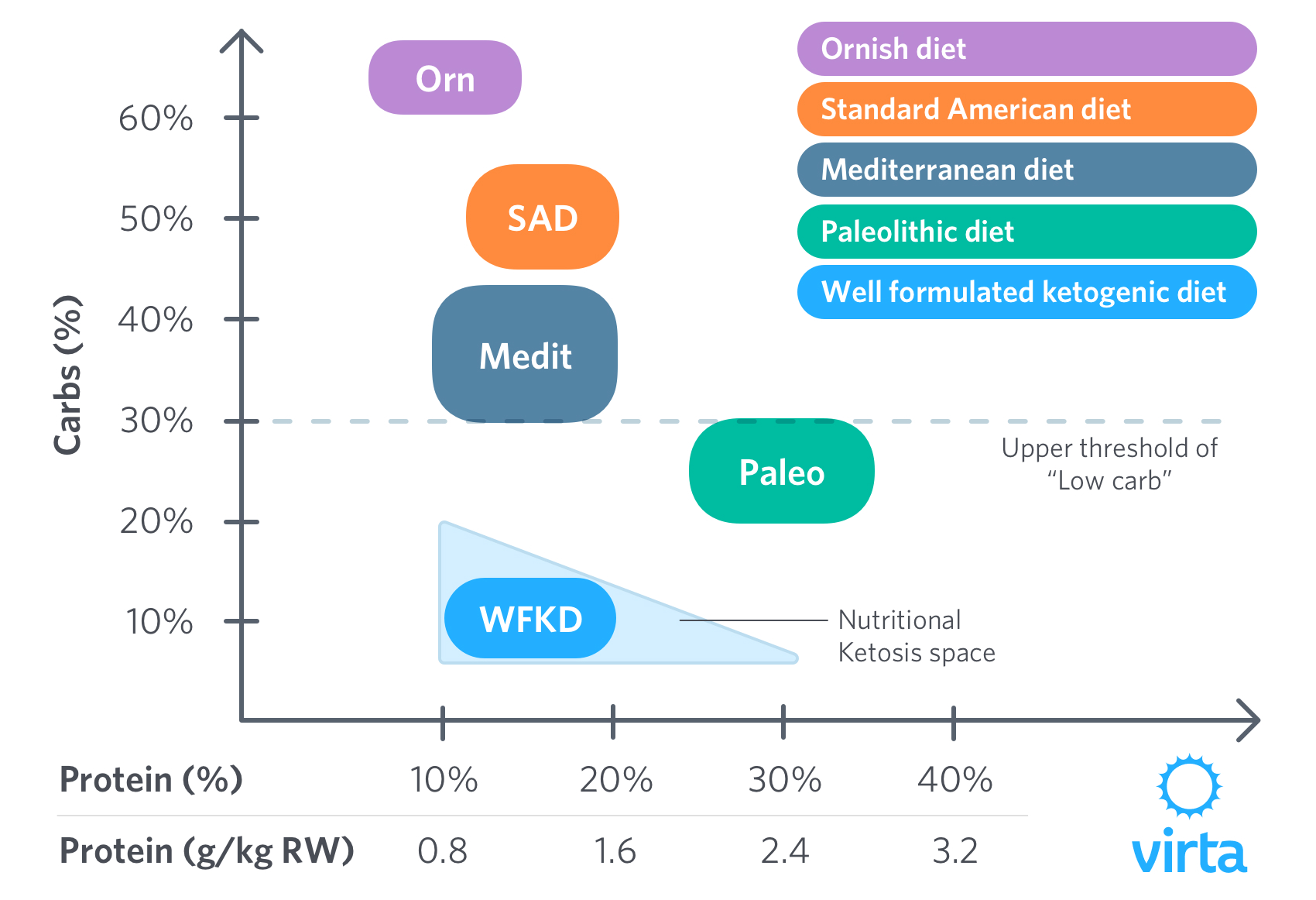
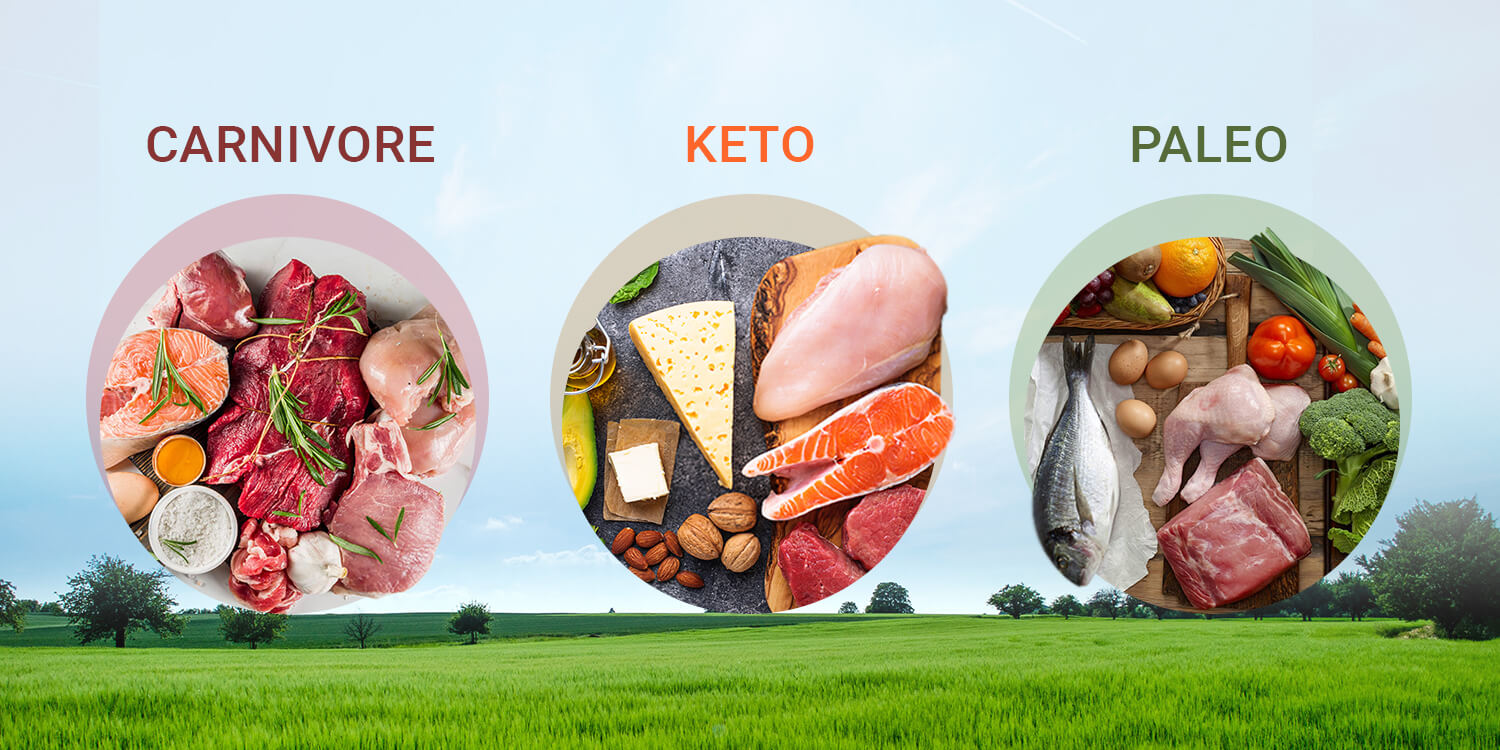
Paleo is fundamentally about food quality. It focuses on whole, unprocessed ingredients that our ancestors might have eaten, such as lean meats, vegetables, fruits, nuts, and seeds. The primary restriction is the exclusion of dairy, grains, legumes, and refined sugars. If you follow Paleo, your meal prep revolves around sourcing clean, natural ingredients and balancing macronutrients without strict counting. You are free to eat moderate amounts of carbohydrates from vegetables and fruits, provided they are unprocessed.
Keto, on the other hand, is about achieving a specific metabolic state called ketosis. This state occurs when your body burns fat for fuel instead of carbohydrates. To maintain ketosis, you must strictly limit carbohydrate intake to roughly 20-50 grams per day, while increasing fat consumption to about 70-75% of your total calories. Unlike Paleo, Keto does not restrict specific food groups like dairy or legumes, provided they fit within your macro limits. A keto-friendly meal might include cheese, yogurt, or even small amounts of beans, which would be excluded from a Paleo diet.
This difference changes how you plan your meals. Paleo meal prep is about variety and nutrient density, allowing for a broader range of food choices as long as they are "whole." Keto meal prep is about precision and consistency, requiring careful tracking of macros to ensure you stay in ketosis. For many, Keto offers stricter boundaries that can simplify decision-making, while Paleo offers more flexibility in food selection but requires more attention to ingredient quality.
The following table breaks down the practical differences in macronutrient ratios and food rules to help you decide which framework fits your meal prep style.
| Feature | Paleo | Keto | Meal Prep Impact |
|---|---|---|---|
| Primary Goal | Whole food nutrition | Metabolic ketosis | Paleo focuses on ingredient sourcing; Keto focuses on macro tracking. |
| Carb Intake | Moderate (from veggies/fruits) | Very Low (<50g/day) | Keto requires strict carb counting; Paleo allows more vegetable variety. |
| Fat Intake | Moderate (~35% of calories) | High (~70-75% of calories) | Keto requires adding fats (oil, butter, avocado) to every meal. |
| Dairy Allowed? | No | Yes (in moderation) | Keto allows for more convenient dairy-based snacks and sauces. |
| Legumes & Grains | No | No (due to carbs) | Both diets exclude these, simplifying pantry staples. |
What You Can Eat on Each Diet
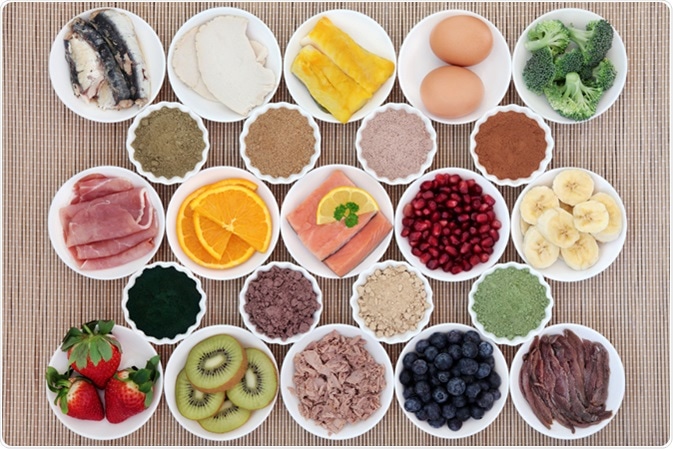
Understanding what you can eat is the first step to meal prepping success. While both diets cut out processed sugars and refined grains, they approach food quality and metabolic states differently. Paleo focuses on whole, unprocessed foods that our ancestors might have eaten, while Keto prioritizes macronutrient ratios to induce ketosis.
Paleo Grocery List
Paleo meal prep revolves around lean proteins, fresh vegetables, and healthy fats from natural sources. You will skip grains, legumes, dairy, and refined sugars. Instead, stock your pantry with grass-fed meats, wild-caught fish, and a wide variety of colorful vegetables.
Fruits are allowed in moderation, making apples, berries, and bananas viable snacks. For fats, rely on olive oil, coconut oil, and avocados. Nuts and seeds like almonds, walnuts, and chia seeds add crunch and nutrition to salads or overnight prep containers. This approach emphasizes food quality and nutrient density over strict macro counting.
Keto Grocery List
Keto meal prep is driven by fat content rather than just food type. The goal is to keep carbohydrates very low, typically under 20-50 grams per day, to maintain ketosis. Your grocery list will feature high-fat proteins like fatty cuts of beef, bacon, and salmon, alongside eggs and cheese.
Non-starchy vegetables such as spinach, broccoli, cauliflower, and zucchini form the vegetable base. Healthy fats are essential, so include avocado, coconut oil, butter, and MCT oil. You will also need nuts like macadamias and pecans, which are lower in carbs. Unlike Paleo, dairy is fully embraced on Keto, provided it is low in lactose.
Overlap and Differences
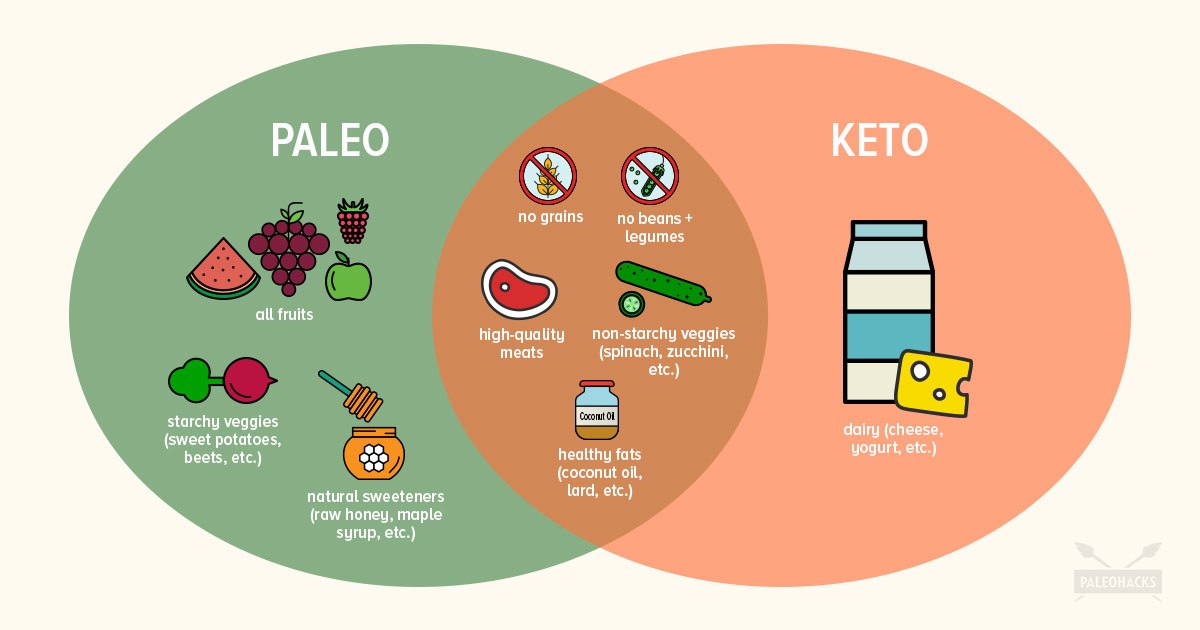
There is significant overlap in allowed foods, which makes transitioning or comparing the two diets easier. Both diets encourage eating meat, fish, eggs, and non-starchy vegetables. However, Paleo allows more carbohydrates through fruits and starchy vegetables like sweet potatoes, which are generally excluded on Keto.
Conversely, Keto allows dairy products and certain nuts that might be limited or excluded on strict Paleo. When meal prepping, Paleo focuses on what is "natural," while Keto focuses on what keeps insulin low and fat burning high. Knowing this distinction helps you choose ingredients that align with your specific health goals.
Meal Prep Strategies for Each Approach
Meal prepping for Paleo and Keto requires different logistical mindsets. While both diets restrict processed foods, the mechanics of planning your weekly meals diverge significantly. Paleo focuses on food quality and ingredient sourcing, whereas Keto demands strict metabolic tracking to maintain ketosis.
Paleo: Prioritize Freshness and Variety
Paleo meal prep centers on whole, unprocessed ingredients. Your primary logistical challenge is preserving the freshness of produce, as the diet relies heavily on vegetables and fruits. Unlike Keto, Paleo allows for moderate fruit intake, meaning you must plan for items that spoil quickly, such as berries, apples, and bananas.
Plan your prep around market visits. Cook proteins in bulk, but keep vegetables crisp by storing them separately or blanching them lightly. Since fruit is permitted, you can prep fruit salads or smoothie packs for breakfasts. The goal is to have a colorful, varied spread that encourages eating diverse nutrient sources without worrying about carb counts.
Keto: Track Macros and Limit Fruit
Keto meal prep is an exercise in precision. The objective is to keep carbohydrate intake very low, typically under 20-50 grams per day, to force the body into ketosis. This means fruit is largely excluded, except for small portions of berries. Your prep strategy must revolve around calculating macros for every ingredient.
Use a food scale and tracking app during prep. Weigh meats, measure oils, and count net carbs in vegetables. Since fruit is restricted, your prepped meals will be heavier on fats and proteins. Batch cook fatty cuts of meat, hard-boil eggs, and portion out nuts and seeds. The logistical focus is on accuracy; a slight miscalculation in carb-heavy veggies can kick you out of ketosis.
Key Differences in Execution
The core difference lies in what you measure. Paleo asks, "Is this whole food?" Keto asks, "How many carbs are in this?" For Paleo, you might prep a large salad with fruit and nuts, focusing on volume and freshness. For Keto, you would prep the same salad but omit the fruit, add extra avocado or olive oil, and weigh the nuts to stay within limits.
Both approaches benefit from batch cooking proteins and chopping vegetables. However, Keto requires more upfront calculation, while Paleo requires more attention to ingredient quality and storage to prevent spoilage of fresh produce.
Decide if you will prioritize macro tracking (Keto) or ingredient sourcing (Paleo). This choice dictates your shopping list and storage needs.
Cook your main protein sources in large quantities. For Keto, choose fatty cuts like salmon or ribeye. For Paleo, lean meats and wild-caught fish are ideal.
Chop and store vegetables. Keto prep requires weighing carb-heavy veggies like carrots or potatoes. Paleo prep focuses on washing and chopping fresh greens and cruciferous vegetables.
For Keto, portion out nuts, seeds, and oils carefully. For Paleo, portion out fresh fruits separately to prevent bruising and spoilage, storing them in the fridge until ready to eat.
-
Choose a protein source and cook in bulk
-
Chop vegetables and store in airtight containers
-
Portion out healthy fats (oils, nuts, avocado)
-
Label containers with dates and macros (if Keto)
-
Store perishable fruits separately (if Paleo)
A Sample One-Day Meal Plan
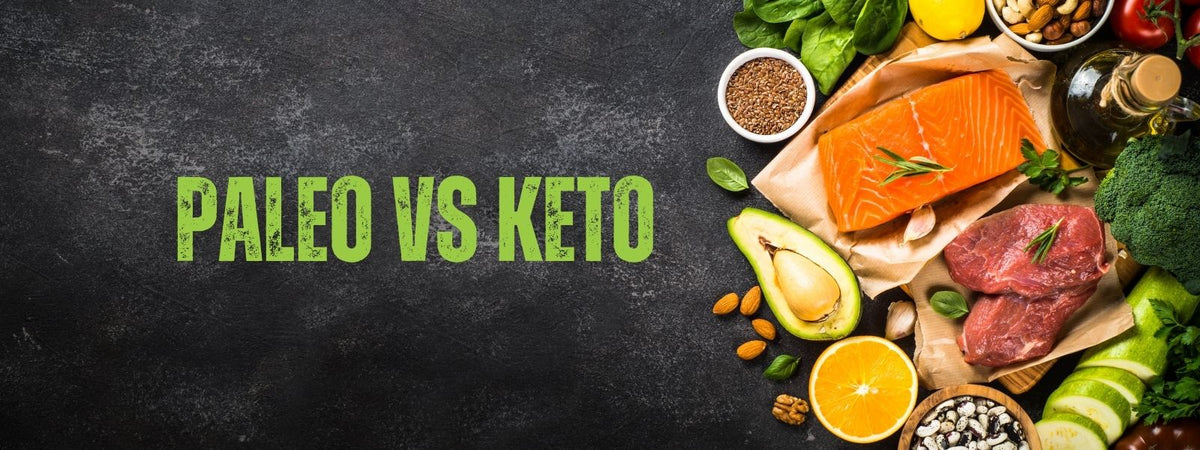
Visualizing a day of eating helps clarify the practical differences between Paleo and Keto meal prep. While both diets emphasize whole, unprocessed foods, their daily structures diverge based on their primary mechanisms: Paleo focuses on food quality and nutrient density, whereas Keto prioritizes maintaining a specific metabolic state through strict macronutrient ratios.
To bridge the gap between theory and practice, consider this sample day. It highlights a breakfast option that works well for both approaches, demonstrating how simple ingredients can satisfy different dietary rules without sacrificing flavor or convenience.
For lunch and dinner, Paleo meal prep typically involves lean proteins like chicken or salmon paired with a variety of non-starchy vegetables and healthy fats from sources like nuts or olive oil. Keto meal prep, conversely, often centers on higher-fat proteins, such as fatty cuts of beef or bacon, paired with low-carb vegetables like spinach, broccoli, or zucchini to ensure fat intake remains high while carbohydrates stay minimal. This structural difference means Paleo prep focuses on variety and micronutrients, while Keto prep requires more precise tracking of fat-to-protein ratios.
Which Diet Suits Your Lifestyle?
Choosing between Paleo and Keto comes down to how you prefer to structure your day and what you value most in your food. Both diets work for meal prep, but they demand different mental frameworks.
Paleo is about food quality. You are looking for whole, unprocessed ingredients like meat, vegetables, and fruit. This approach feels natural if you enjoy cooking from scratch and want to avoid processed foods entirely. Your meal prep focuses on chopping fresh produce and roasting proteins, making it a great fit for those who view eating as a connection to whole foods.
Keto is about metabolic state. You are tracking macros, specifically keeping carbohydrates very low to stay in ketosis. This approach is ideal if you prefer precise numbers and a stable energy level throughout the day. Your meal prep focuses on measuring fats and proteins to hit specific targets, which suits those who want predictable satiety and mental clarity.
If you prioritize ingredient integrity and variety, Paleo is likely the better fit. If you prioritize metabolic control and strict macro tracking, Keto will serve you better. Neither is superior; they simply support different lifestyle goals.
Common Questions About Paleo and Keto
Can I eat fruit on keto? No. Ketosis requires strict carb restriction, typically under 20–50 grams per day. Most fruits exceed this limit. Keto focuses on high-fat, low-carb foods like meat, eggs, and healthy oils, while paleo allows moderate fruit intake for natural sugars and fiber.
Is paleo always low-carb? Not necessarily. Paleo centers on whole, unprocessed foods rather than a specific macronutrient ratio. You can eat paleo and remain out of ketosis by including starchy vegetables like sweet potatoes or higher amounts of fruit. Keto, however, is defined by the metabolic state of ketosis, not just food quality.
Can I combine paleo and keto principles? Yes, often called "keto paleo." This approach uses paleo-approved whole foods while strictly limiting carbs to maintain ketosis. It eliminates grains, legumes, and processed sugars while emphasizing fats and proteins. This hybrid works well for meal prep because it simplifies food choices to a single, clean ingredient list.
No comments yet. Be the first to share your thoughts!