

Core differences between paleo and keto
The primary distinction between the paleo and keto diets lies in their foundational goals. The paleo diet prioritizes food quality, focusing on whole, unprocessed ingredients that mimic what our ancestors might have eaten. In contrast, the ketogenic diet is defined by its metabolic outcome: ketosis, a state achieved by drastically reducing carbohydrate intake and increasing fat consumption.
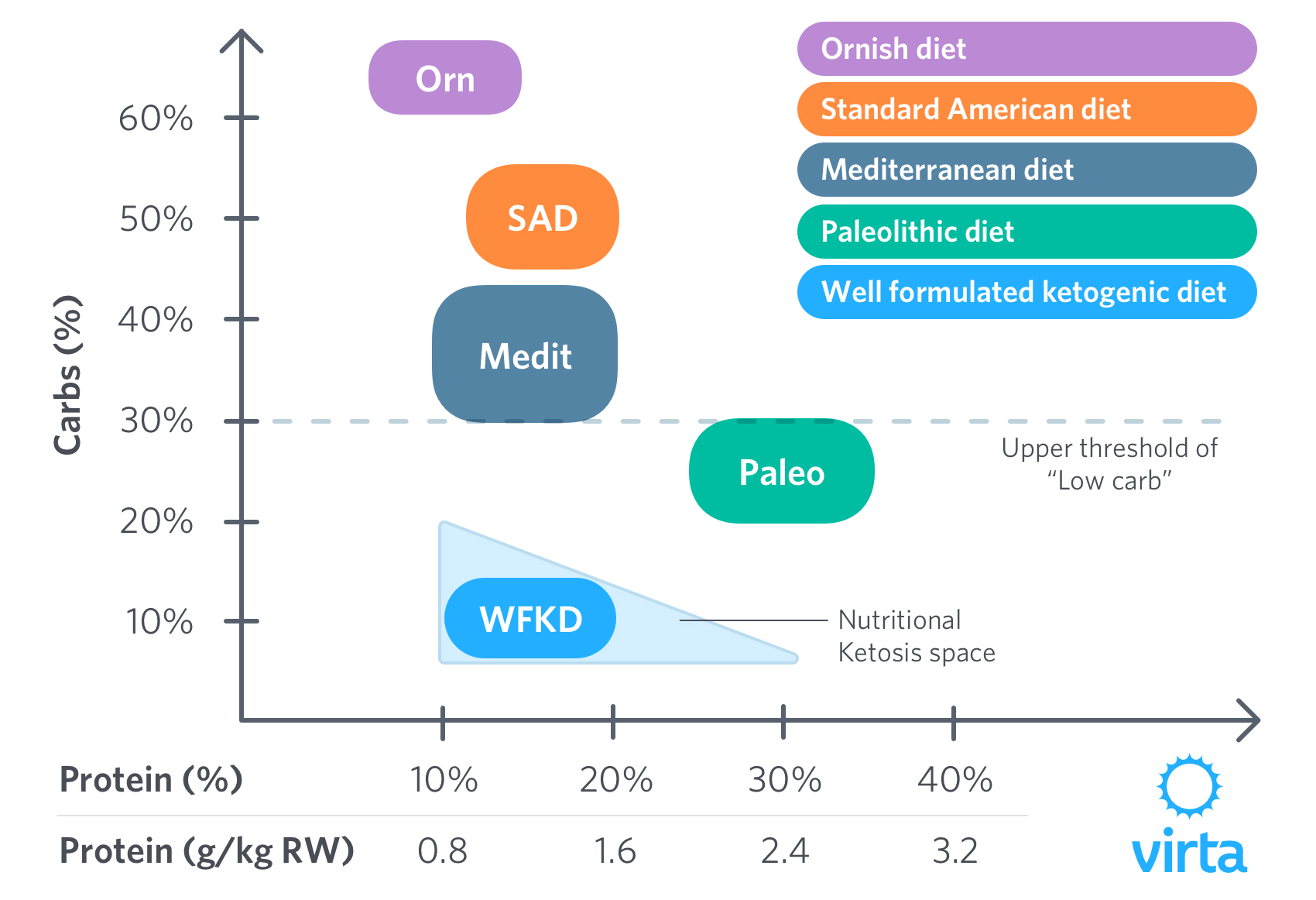
While both diets eliminate grains, legumes, and refined sugars, their approaches to macronutrients diverge significantly. Paleo allows for moderate carbohydrate intake from fruits, starchy vegetables, and tubers, whereas keto strictly limits carbs to typically under 50 grams per day to force the body into fat-burning mode. This fundamental difference shapes every meal and shopping list for adherents of each plan.
The table below outlines the key structural differences between these two popular dietary frameworks.
| Category | Paleo Diet | Ketogenic Diet |
|---|---|---|
| Primary Goal | Food quality and whole ingredients | Achieve metabolic ketosis |
| Carbohydrate Intake | Moderate (fruits, tubers allowed) | Very low (typically <50g/day) |
| Fat Intake | Moderate (approx. 35% of calories) | High (approx. 70-80% of calories) |
| Protein Intake | Moderate to high | Moderate (not excessive) |
| Allowed Grains | None | None |
| Allowed Legumes | None | None |
Food overlap and key exclusions
The Paleo and Keto diets share a common foundation: they both prioritize whole, unprocessed foods and restrict refined sugars and grains. In practice, the food lists for Paleo vs Keto are roughly 80% similar. This high degree of overlap means that switching between these dietary approaches rarely requires finding entirely new foods. Instead, the transition involves adjusting macronutrient ratios and navigating specific exclusions that define each framework.
At the core of both diets are meats, fish, eggs, vegetables, nuts, and seeds. These ingredients form the bulk of meals in either lifestyle. The primary divergence occurs with starchy vegetables and certain fruits. While Keto strictly limits all high-carb items to maintain ketosis, Paleo permits starchy tubers like sweet potatoes and carrots, provided they are eaten in moderation. This distinction allows for a broader variety of root vegetables in Paleo meal plans, offering more flexibility in carbohydrate sourcing.
The second major difference lies in dairy. Traditional Keto often includes full-fat dairy products such as butter, cream, and hard cheeses as convenient sources of fat. Paleo, however, generally excludes dairy entirely, viewing it as a modern agricultural product that conflicts with ancestral eating principles. This exclusion requires Paleo adherents to seek alternative fat sources, such as avocado oil or coconut oil, to meet their energy needs. Understanding these specific restrictions helps clarify why meal prep strategies differ even when the pantry staples look identical.
Ultimately, the choice between these diets often hinges on how strictly you wish to limit carbohydrates and dairy. If you can tolerate small amounts of starchy vegetables and prefer to avoid dairy, Paleo offers a slightly more relaxed carbohydrate profile. If you need to tightly control carb intake for metabolic reasons, Keto’s stricter boundaries provide a clearer framework. Recognizing these nuances simplifies the decision-making process, turning a complex dietary shift into a manageable adjustment of familiar ingredients.
Meal prep strategies for each diet
Batch cooking for Paleo and Keto requires different mental models. Keto is a math problem; Paleo is a sourcing challenge. Understanding this distinction simplifies the weekly routine for both lifestyles.
Keto meal prep revolves around precise fat tracking. Your primary goal is hitting macro ratios, not just filling your plate. Cook large batches of fatty proteins like ground beef, salmon, or chicken thighs. Pair these with pre-portioned healthy fats such as avocado halves, olive oil drizzles, or cheese wedges. Store these components in separate containers so you can adjust fat levels to match your daily calorie target without overeating carbs.
Paleo meal prep demands variety in carbohydrate sources to prevent boredom and ensure micronutrient intake. Unlike Keto, you must actively plan for sweet potatoes, squash, plantains, or fruits. Roast a large tray of root vegetables alongside lean proteins like turkey or white fish. The key is balancing the carb density; Paleo allows more flexibility, but you still need to monitor portion sizes to avoid exceeding energy needs, especially since whole-food carbs digest differently than processed ones.
Both diets benefit from prepping neutral bases. For Keto, hard-boil eggs and wash leafy greens for quick salads. For Paleo, chop bell peppers and onions for stir-fries or sheet-pan meals. Keep these raw or lightly cooked so they retain texture when reheated. This step reduces weekday cooking time to mere minutes, allowing you to focus on seasoning rather than chopping.
-
Cook 2-3 lbs of protein (fatty for Keto, lean for Paleo)
-
Wash and chop all non-starchy vegetables
-
Portion healthy fats (oils, nuts, avocado) for Keto
-
Roast root vegetables for Paleo carb sources
-
Store proteins and veggies in separate glass containers
Sample paleo meal prep recipe
Meal prep for the Paleo diet often requires more planning than Keto because you cannot rely on high-fat dairy or low-carb artificial sweeteners to fill the gaps. Instead, Paleo relies on whole food density. A well-structured Paleo meal provides enough protein and fiber to keep you full without spiking blood sugar, bridging the gap between strict Keto and standard healthy eating.
The following recipe demonstrates how to build a Paleo-friendly dinner that is naturally low-carb but not strictly ketogenic. It uses healthy fats from olive oil and avocado rather than butter or heavy cream, making it sustainable for long-term adherence.
Health impacts and common: what to check next
When comparing Paleo vs Keto, the trade-offs often come down to how each approach handles specific biomarkers and food restrictions. While both diets can drive weight loss, they impact the body differently. For instance, research indicates that the Paleo diet may offer distinct advantages for heart health markers, specifically regarding lipid profiles.
Triglycerides and metabolic health
One of the most cited benefits of the Paleo approach is its effect on triglycerides. Studies suggest that participants on a Paleo diet experience more significant decreases in triglyceride levels compared to those on standard low-fat or non-nutrient-rich (NNR) diets. This reduction occurs alongside fat loss, making Paleo a compelling option for those monitoring cardiovascular risk factors.
Potential drawbacks of Paleo
Despite these benefits, the Paleo diet has limitations. The exclusion of dairy and legumes can restrict calcium and fiber intake. Additionally, the emphasis on red meat and generous amounts of saturated fats may not suit everyone. The strict segmentation of "good" and "bad" foods can also make social dining and long-term adherence challenging for some individuals.
No comments yet. Be the first to share your thoughts!