

Start your week right
Paleo meal prep isn't about eating bland, repetitive food for five days straight. It is a strategic approach to eating that prioritizes whole, unprocessed ingredients while saving you hours of kitchen time during the work week. For busy professionals, the goal is simple: spend one or two hours on the weekend so you never have to rely on takeout or processed snacks during the week.
The core philosophy relies on batch cooking. Instead of cooking every night, you prepare large quantities of base proteins and vegetables. Roasting chicken thighs or baking egg cups in bulk allows you to assemble fresh, nutrient-dense meals in minutes. This method ensures you stick to clean eating without the daily stress of grocery shopping and chopping.
Think of your meal prep like building a toolkit. You gather the essential components—protein, healthy fats, and fiber—so that when hunger strikes, you have everything you need to make a healthy choice instantly. This reduces decision fatigue and keeps your energy levels stable, helping you stay focused at work.
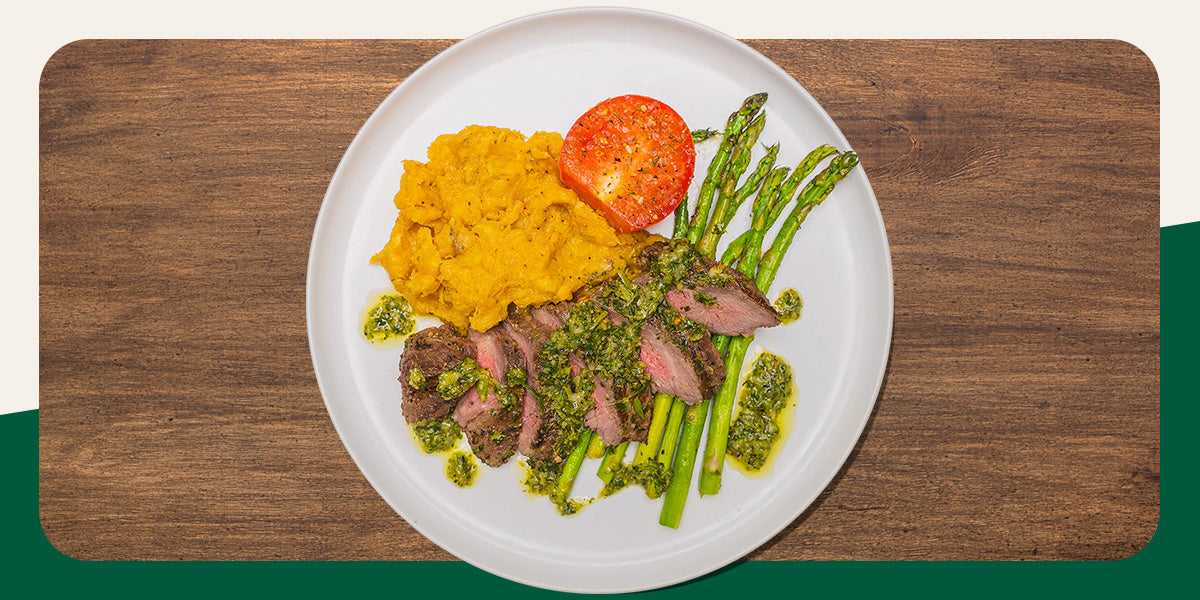
By focusing on versatile ingredients like chicken, eggs, and seasonal vegetables, you can create a variety of dishes that don't taste stale. The key is to prep components, not just finished meals, allowing you to mix and match flavors throughout the week. This approach makes healthy eating sustainable, turning a potential chore into a seamless part of your routine.
Sheet pan chicken and veggies
Start with measured ingredients and pay attention to the texture cue in the method. Most recipe problems come from changing thickness, moisture, or heat without adjusting the timing.
Overnight oats with berries
Morning routines often feel like a race against the clock, especially when you are trying to stick to a paleo diet. Most paleo breakfasts require heat, timing, and cleanup. Overnight oats flip that script. You mix the ingredients the night before, and the refrigerator does the work. By morning, you have a creamy, ready-to-eat meal that requires zero effort.
This method relies on the natural softening of seeds and nuts. There is no cooking involved, which means you avoid the sizzle of a pan and the scrub of a skillet. It is a practical solution for busy professionals who want whole, unprocessed ingredients without the morning hassle. The texture becomes rich and pudding-like as the chia seeds absorb the almond milk.
The key to success is the ratio of liquid to dry ingredients. Almond milk works best because it is thin enough to soak into the oats but creamy enough to provide a satisfying mouthfeel. If you prefer a thicker consistency, add an extra tablespoon of chia seeds. For a sweeter profile, a small drizzle of maple syrup complements the natural tartness of the berries.
This recipe is highly adaptable. Swap the berries for sliced bananas and a dash of nutmeg for a fall-inspired flavor. The base remains the same, but the toppings allow you to rotate flavors throughout the week. Keep a few jars prepped on Sunday, and you have breakfast covered for days.
Dark chocolate avocado mousse
This mousse swaps heavy cream and refined sugar for ripe avocados and dark chocolate. The result is a rich, creamy dessert that fits paleo guidelines while providing healthy fats. It’s perfect for meal prepping because the flavors meld and deepen in the fridge, making it a reliable treat for busy weeknights.
Ingredients
- 2 ripe avocados, flesh scooped
- 1/4 cup unsweetened cocoa powder
- 1/4 cup pure maple syrup or honey (optional)
- 2 tbsp coconut oil, melted
- 1 tsp vanilla extract
- Pinch of sea salt
Instructions
Prep tips
For the best texture, ensure your avocados are fully ripe and soft. If the mousse seems too thick, add a teaspoon of water or almond milk to reach your preferred consistency. Store leftovers in an airtight container in the refrigerator for up to three days. The mousse holds up well, making it an ideal make-ahead dessert for your paleo meal prep routine.
Keep your prep organized
Paleo meal prep relies on fresh, whole ingredients that don't have the preservatives of processed foods. Without proper organization, these items can spoil quickly or lose their texture. Treat your kitchen like a small-scale restaurant kitchen: mise en place is everything. When you wash, chop, and portion ingredients immediately after shopping, you remove the friction from your weeknight routine.
Start by grouping your proteins and vegetables into clear, airtight containers. Glass containers are ideal because they don't absorb odors and can go from fridge to oven without switching vessels. Label each container with the contents and the date you prepped it. This simple habit ensures you eat the oldest meals first, reducing food waste and keeping your pantry fresh.
To save time, pre-chop high-usage vegetables like onions, bell peppers, and carrots into large batches. Store them in water or dry containers depending on the vegetable to maintain crispness. For proteins, consider roasting a large tray of chicken thighs or ground beef in advance. This base can be mixed with different spices—cumin for tacos, rosemary for pasta substitutes—to create variety without extra cooking time.
Finally, keep a running checklist of your weekly prep tasks. This prevents last-minute grocery runs and ensures you have all the necessary components for your chicken, breakfast, and dessert recipes. Consistency in your prep routine makes sticking to the paleo diet feel less like a chore and more like a sustainable lifestyle.
-
Shop for fresh proteins and seasonal vegetables
-
Wash and chop all produce into usable portions
-
Cook and portion proteins into airtight containers
-
Label each container with date and contents
-
Store pre-chopped veggies in separate dry or wet containers
Common paleo meal prep: what to check next
Paleo meal prep often raises concerns about cost, storage, and variety. These practical answers address the most frequent hurdles for busy professionals looking to maintain a whole-food diet without the stress.
No comments yet. Be the first to share your thoughts!