
The core difference explained
While both Paleo and Keto restrict carbohydrates, they operate on fundamentally different principles. Keto is a metabolic engine designed to shift your body into ketosis, whereas Paleo is a philosophical framework focused on food quality and historical alignment.
Keto is defined by macronutrient ratios. To enter ketosis, you must typically limit daily carb intake to under 50 grams, often as low as 20 grams, while increasing fat consumption to 70-80% of your total calories. The goal is to force your body to burn fat for fuel instead of glucose. On Keto, the source of your calories matters less than the numbers. You can eat processed low-carb snacks, cheese, and certain artificial sweeteners as long as they fit your macro goals.
Paleo, by contrast, ignores macronutrient percentages in favor of food composition. It mimics the diet of our Paleolithic ancestors, emphasizing whole, unprocessed foods like meat, fish, eggs, vegetables, fruits, nuts, and seeds. It strictly excludes grains, legumes, dairy, refined sugar, and processed vegetable oils. Because Paleo allows for higher carb intake from fruits and starchy vegetables, it does not automatically induce ketosis. You can follow a strict Paleo diet and remain in a glucose-based metabolic state.
This distinction creates a unique overlap. A strict Paleo diet often results in low carbohydrate intake, which can naturally lead to ketosis for some individuals. However, the reverse is not true. A Keto diet allows for foods that Paleo explicitly forbids, such as dairy butter, certain artificial additives, and low-carb processed goods. Understanding this baseline helps clarify which lifestyle aligns with your personal values and metabolic needs.
What you actually eat on each
The primary difference between these diets lies in their approach to carbohydrates and fats. Keto restricts carbs severely to force the body into ketosis, while Paleo focuses on eliminating processed foods and grains without necessarily tracking fat intake.
| Category | Keto | Paleo | Key Difference |
|---|---|---|---|
| Carbohydrate Limit | Under 50g daily | Moderate (no strict limit) | Keto requires strict carb counting; Paleo does not. |
| Fat Intake | 70-75% of calories | 30-35% of calories | Keto is high-fat; Paleo is moderate-fat. |
| Fruits | Limited (berries only) | Allowed (berries, apples, etc.) | Keto limits sugar; Paleo allows natural sugars. |
| Dairy | Allowed (butter, cheese) | Generally excluded | Keto includes dairy; Paleo avoids it. |
| Grains | None | None | Both diets exclude all grains. |
| Legumes | None | None | Both diets exclude beans and lentils. |
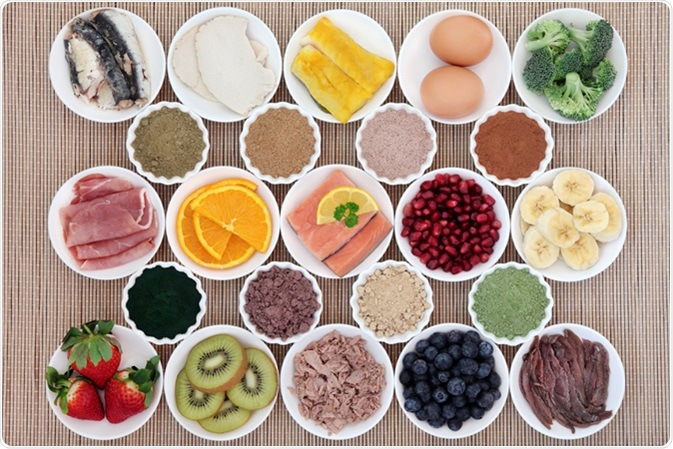
Keto dieters build meals around high-fat sources like butter, avocado, and fatty cuts of meat. Because carbohydrates are restricted, fruit intake is minimal, usually limited to small portions of berries. Dairy products like cheese and heavy cream are common staples that help reach the high fat percentage required for ketosis.
Paleo eaters focus on whole, unprocessed foods. They consume a wider variety of fruits and vegetables, including starchy options like sweet potatoes and carrots, which are generally avoided on keto. While Paleo excludes grains and legumes, it allows for natural sweeteners like raw honey and maple syrup, which are strictly forbidden on Keto.



As an Amazon Associate, we may earn from qualifying purchases.
Weight Loss and Energy Outcomes
When comparing the paleo and keto diets for weight loss and energy, the primary difference lies in how each approach manages carbohydrate intake to trigger metabolic changes. Both diets emphasize whole, unprocessed foods, which naturally reduces calorie density and improves nutrient quality. However, the mechanisms driving fat loss and daily energy levels diverge based on whether the body is in a state of ketosis or simply operating with moderate carbohydrate restriction.
Sustainable Weight Loss
Keto is designed to force the body into ketosis, a metabolic state where fat becomes the primary fuel source instead of glucose. This shift often leads to rapid initial weight loss, largely due to water weight depletion in the first few weeks, followed by consistent fat burning as long as carbohydrate intake remains very low (typically under 50 grams per day). The high fat content helps suppress appetite, making it easier for many people to maintain a calorie deficit without conscious counting.
Paleo weight loss is more gradual and flexible. By eliminating grains, legumes, and processed sugars, paleo dieters naturally reduce their calorie intake and improve insulin sensitivity. While you can enter a mild state of ketosis on paleo if you limit fruits and starchy vegetables, most people consume enough complex carbs from sources like sweet potatoes and berries to avoid deep ketosis. This flexibility can make paleo more sustainable for long-term weight management, as it allows for a wider variety of foods without the strict tracking required by keto.
Energy Levels and Mental Clarity
Energy outcomes vary significantly between the two diets, particularly during the adaptation phase. On keto, many people report a "keto flu" in the first week, characterized by fatigue, brain fog, and irritability as the body switches from burning sugar to burning fat. Once adapted, however, energy levels tend to stabilize and improve, with fewer spikes and crashes throughout the day. This steady energy is often attributed to the consistent supply of ketones, which provide a clean-burning fuel for the brain.
Paleo dieters often experience improved energy due to the elimination of blood sugar-spiking foods like refined grains and sugary snacks. Without the dramatic glucose fluctuations, energy levels remain more consistent. However, because paleo allows for moderate carbohydrate intake, it may not provide the same level of mental clarity or appetite suppression that some keto dieters experience. For those who engage in high-intensity interval training, the moderate carbs in paleo can also support better performance compared to the restricted glycogen stores often seen on keto.
Long-term adherence and lifestyle
Sustaining a low-carb diet often depends less on willpower and more on how well the eating plan integrates into your daily routine. While both Paleo and Keto restrict carbohydrates, they impose different social and financial constraints that can determine long-term success.
Social Flexibility
Keto requires strict macronutrient tracking, typically limiting carbs to under 50 grams daily. This precision makes dining out or attending social gatherings challenging. You must constantly calculate the fat-to-protein ratio of restaurant meals, which can feel isolating or tedious over time.
Paleo offers slightly more social flexibility because it focuses on food quality rather than strict macronumbers. Eating a grilled steak with roasted vegetables at a dinner party is often easier to justify than explaining why you skipped the bread on Keto. However, Paleo’s emphasis on whole, unprocessed foods means you still need to be selective about what is served.
Financial Considerations
Both diets tend to be more expensive than standard Western eating, but for different reasons. Keto often relies on processed "keto-friendly" snacks, specialty sweeteners, and premium fats like MCT oil, which add up quickly. Paleo, by contrast, demands high-quality whole foods: grass-fed meats, organic produce, and wild-caught fish. These ingredients require a larger grocery budget and more time for meal preparation.
Can You Stick With It?
Consider your lifestyle before choosing. If you have the time to cook from scratch and the budget for premium ingredients, Paleo may feel more natural. If you prefer structured rules and don't mind tracking every gram of fat, Keto might provide the framework you need.
-
Do I have time to prepare meals from whole ingredients?
-
Am I willing to track macros daily?
-
Can I afford premium meats and organic produce?
-
Do I need strict rules to stay on track?
Common questions about keto and paleo
Addressing specific questions helps clarify how these two low-carb approaches compare in practice. While both diets restrict processed foods and grains, their rules around fruits, dairy, and metabolic states differ enough to impact daily choices.
No comments yet. Be the first to share your thoughts!