
Make the recipe
Choosing between the paleo and keto diets often feels like picking a lane on a highway where both roads lead to weight loss. The paleo approach emphasizes whole, unprocessed foods that early humans might have eaten, while keto strictly limits carbohydrates to force the body into ketosis. You can bridge these two worlds by creating a meal that satisfies keto’s macronutrient ratios while adhering to paleo’s clean-eating principles. This recipe for paleo keto chicken and avocado lettuce wraps offers a practical way to test both styles without sacrificing flavor or satisfaction.
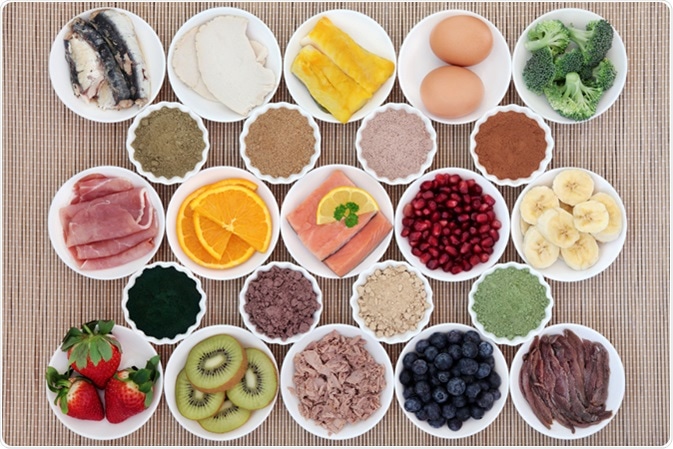
The foundation of this dish relies on lean protein and healthy fats, two pillars common to both dietary frameworks. Chicken breast provides a neutral, high-protein canvas, while avocado delivers the monounsaturated fats necessary for satiety on a keto plan. The lime and cilantro dressing adds brightness, compensating for the lack of sweeteners or grains that often leave low-carb meals feeling flat. By using large romaine leaves as wraps, you avoid the carbohydrate load of traditional tortillas while gaining a crunchy, refreshing texture.
This meal demonstrates how flexible these diets can be when you focus on nutrient density rather than restriction. The high fat content from the avocado and olive oil will keep you full longer than a standard low-fat lunch, while the absence of processed carbs prevents the afternoon energy crash associated with traditional meals. It is a simple, scalable recipe that fits easily into a meal prep routine, allowing you to batch-cook the chicken and chop the vegetables in advance for quick assembly throughout the week.
Keep the texture right
Good texture comes from matching the cooking cue to the food, not from trusting the timer alone. Check thickness, moisture, and doneness before changing the recipe.
-
Prep evenlyCut, roll, portion, or spread the mixture evenly so every piece cooks at the same pace.
-
Control moisturePat, drain, rest, or reduce wet ingredients when excess liquid would soften the final texture.
-
Use the doneness cueLook for the recipe-specific sign of doneness instead of stopping at the first browned edge.
-
Let it settleCool or rest the finished food long enough for steam and structure to stabilize.
Swaps that still work
The biggest hurdle in switching between paleo and keto is finding ingredients that satisfy both the carb limit and the whole-food requirement. You can treat this like a simple equation: replace the carb-heavy anchor with a high-fat or low-carb vegetable alternative. The goal is to maintain texture and satiety without breaking the metabolic rules of either diet.
Below is a practical guide to substitutions that work in both frameworks. Use this table to navigate pantry staples and common recipe components.
| Original Ingredient | Paleo Swap | Keto Swap | Why It Works |
|---|---|---|---|
| Rice | Cauliflower rice | Cauliflower rice | Both diets reject grains; cauliflower provides bulk with minimal carbs. |
| Oats | Chia seed pudding | Chia seed pudding | Chia seeds offer fiber and healthy fats, fitting both whole-food and low-carb criteria. |
| Potatoes | Sweet potatoes (in moderation) | Turnips or rutabaga | Sweet potatoes are paleo-approved but too high-carb for keto; turnips mimic the texture with fewer carbs. |
| Sugar | Medjool dates or maple syrup | Stevia or erythritol | Paleo allows natural sweeteners; keto requires non-nutritive sweeteners to maintain ketosis. |
| Pasta | Zucchini noodles | Zucchini noodles or shirataki | Vegetable noodles remove the grain entirely, satisfying the no-grain rule of paleo and the low-carb rule of keto. |
| Beans | Lentils (strict paleo only) | Black soybeans | Traditional beans are excluded from paleo; black soybeans are low-net-carb and often accepted in strict keto. |
Serve and store it
These dishes shine when you batch-prep them for the week. The flavors in both the paleo and keto versions deepen after a night in the fridge, making Tuesday’s lunch often better than Sunday’s dinner. Store portions in airtight glass containers to keep the fats from absorbing other odors and to maintain texture.
For the paleo version, the sweet potato and turkey meatballs hold up well for up to four days. Reheat them gently in the microwave with a splash of water or bone broth to prevent the lean meat from drying out. The keto cauliflower crust pizza is best eaten within two days, as the cauliflower releases moisture over time. If you notice sogginess, revive the slice in a hot skillet for two minutes to crisp the bottom again.
When it’s time to eat, portion control matters less than balance. Serve the paleo meatballs with a large side of steamed broccoli drizzled with olive oil and lemon. For the keto pizza, pair it with a simple arugula salad tossed in apple cider vinegar to cut through the richness of the cheese and meats. Both combos provide the fiber and healthy fats needed to keep hunger at bay until your next meal.
Paleo vs keto: what to check next
Choosing between paleo and keto often comes down to how strictly you want to track macros versus how much variety you want in your pantry. Both diets share common ground by eliminating grains, legumes, and processed sugars, but their rules diverge sharply on what counts as a "clean" carb. Here are the most common practical objections readers face when deciding which path fits their lifestyle.
No comments yet. Be the first to share your thoughts!