

Quick answer: Paleo or Keto?
Core Rules and Food Lists
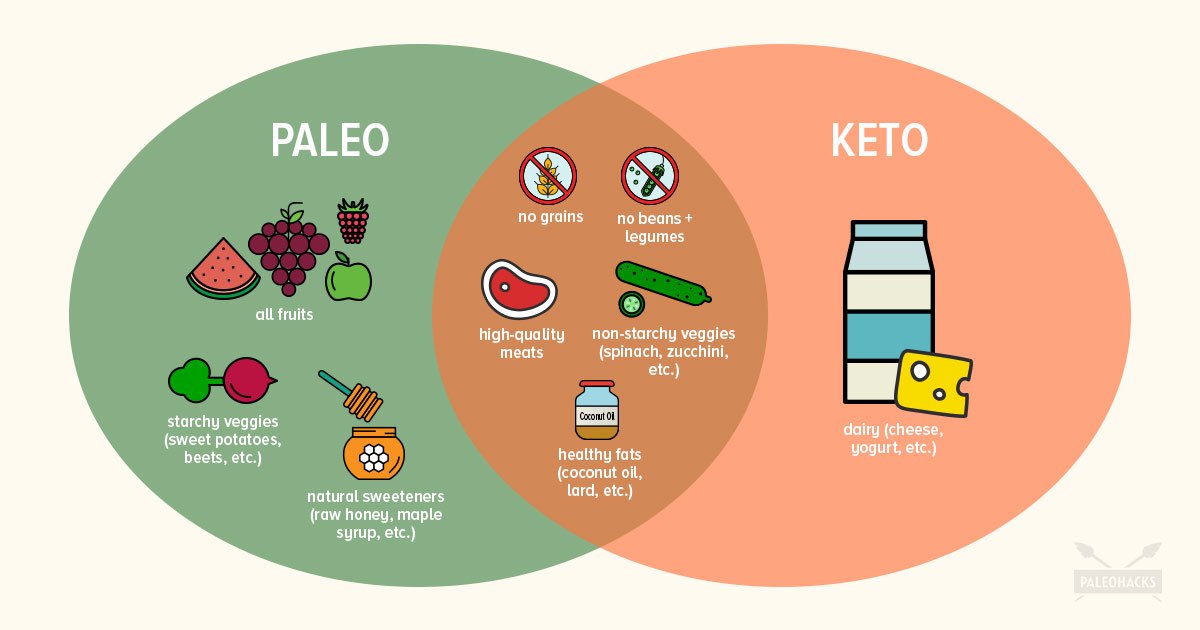
The paleo and keto diets share a foundational rule: both eliminate grains and legumes. This overlap removes wheat, rice, and beans from the plate, creating a similar starting point for low-carb eating. However, the two diets diverge sharply on how they treat sugar, dairy, and fruit.
The Ketogenic Approach
Keto is defined by macronutrient ratios, not just food exclusions. The goal is to force the body into ketosis, a metabolic state where it burns fat for fuel instead of glucose. To achieve this, keto requires about 70% of total calories to come from fat, with protein kept moderate and carbohydrates restricted to roughly 5-10% of daily intake [src-serp-7].
This strict limit means most fruits are off-limits, with the exception of small portions of berries. Dairy is permitted but often limited to high-fat, low-lactose options like heavy cream, butter, and hard cheeses. Sweeteners are generally avoided, though some keto-friendly alternatives like stevia or erythritol are accepted. The focus is on hitting a fat target, even if it means consuming animal fats and oils that paleo might view with skepticism.
The Paleo Approach
Paleo focuses on food quality and evolutionary history rather than strict macros. It aims to mimic the diet of our hunter-gatherer ancestors, emphasizing whole, unprocessed foods. While it is low-carb, it is much more moderate than keto, with fat typically accounting for around 35% of calories [src-serp-7].
Unlike keto, paleo allows natural sweeteners like raw honey, maple syrup, and coconut sugar. It also permits a wider variety of fruits, including higher-sugar options like bananas and mangoes, provided they are eaten in moderation. Dairy is generally excluded, as it was not part of the ancestral diet, though some variations allow grass-fed butter or ghee. The primary goal is to avoid processed foods and additives, rather than achieving a specific metabolic state.
Side-by-Side Comparison
The table below summarizes the key differences in allowed and restricted foods for both diets.
| Category | Keto | Paleo | Overlap |
|---|---|---|---|
| Grains | No | No | Both eliminate wheat, rice, and oats |
| Legumes | No | No | Both eliminate beans, lentils, and peanuts |
| Fruits | Limited (berries only) | Allowed (moderate) | No |
| Dairy | Allowed (high-fat, low-lactose) | Generally No | No |
| Natural Sweeteners | Usually No | Allowed (honey, maple syrup) | No |
| Added Sugars | No | No | Both eliminate refined sugar |


As an Amazon Associate, we may earn from qualifying purchases.
How the Numbers Shape Your Metabolism
The primary difference between the keto and paleo diets lies in their macronutrient targets. While both restrict carbohydrates, they achieve this through very different fat and protein ratios. These numbers dictate how your body generates energy and which fuel source it prioritizes.
Keto is designed as a high-fat engine. It typically aims for about 70% of daily calories to come from fat, with moderate protein and very low carbohydrates. This specific ratio forces the body into ketosis, a metabolic state where it burns fat for fuel instead of glucose. Think of keto as a specialized vehicle built for efficiency on a limited fuel supply; it requires a heavy load of fat to keep the engine running smoothly.
Paleo, by contrast, takes a more moderate approach. It centers around 35% fat, which is significantly lower than keto, and relies more heavily on protein from meat, fish, and eggs. The goal isn't necessarily ketosis but rather nutrient density and stable blood sugar. Paleo is like a versatile all-terrain vehicle; it doesn't demand a specific fuel mix but thrives on high-quality, whole-food inputs that provide steady energy without the metabolic shift.
This distinction matters for your daily food choices. On keto, you might eat avocado and olive oil to hit your fat quota. On paleo, you might focus on leaner cuts of meat and natural fats from sources like nuts and seeds, keeping your fat intake in check while maximizing protein. Understanding these ratios helps you decide which diet aligns with your hunger cues and lifestyle.
Weight loss and energy effects
Both the paleo and keto diets can lead to significant weight loss, but they achieve this through distinct biological mechanisms. Understanding these differences helps explain why you might feel different on each plan, even if the scale moves in the same direction.
How Keto Burns Fat
Keto relies on metabolic switching. By restricting carbohydrates to under 50 grams daily, your body depletes its glycogen stores and shifts into ketosis, burning fat for fuel instead of glucose. This state often produces rapid initial weight loss, largely due to water weight, followed by steady fat loss. Many people report stable energy levels once adapted, as ketones provide a consistent fuel source that doesn't spike and crash like blood sugar.
How Paleo Slows Hunger
Paleo focuses on food quality rather than strict macronutrient ratios. By eliminating processed foods, grains, and sugars, you naturally reduce calorie density and increase protein and fiber intake. This combination promotes satiety, making it easier to eat less without counting calories. Weight loss tends to be slower but more sustainable, driven by improved insulin sensitivity and reduced inflammation. Energy levels often stabilize as blood sugar swings are minimized through whole-food choices.
The Trade-Off
Keto offers faster results and steady mental clarity for many, but can be restrictive and difficult to maintain socially. Paleo is less rigid about macros, allowing for more variety in fats and carbs, but requires more meal planning to ensure nutritional balance. Both diets work; the choice depends on whether you prioritize rapid metabolic switching or long-term dietary sustainability.
| Feature | Keto | Paleo |
|---|---|---|
| Weight Loss Speed | Faster initial drop | Steady, gradual |
| Energy Stability | High once adapted | Consistent, no crashes |
| Dietary Flexibility | Low (strict macros) | Medium (whole foods) |
Sustainability and meal prep
Choosing between the paleo and keto diets often comes down to which lifestyle feels less like a chore. While both restrict carbohydrates, the logistical demands of meal prep differ significantly. Keto requires strict tracking of macronutrients to maintain ketosis, whereas paleo focuses on food quality and sourcing. For many, the rigid math of keto becomes exhausting over time, while the flexibility of paleo allows for more social dining.
1. Keto: Precision over convenience
The keto diet demands high vigilance. You must track grams of fat, protein, and carbs daily to ensure you stay in ketosis. This often means weighing food and calculating ratios for every meal. Meal prep becomes a science project rather than a simple cooking task. While this precision can lead to rapid weight loss, the mental load of constant calculation makes it harder to sustain long-term for many people.
2. Paleo: Flexibility and whole foods
Paleo meal prep is generally more intuitive. Instead of counting macros, you focus on eating whole, unprocessed foods like meats, vegetables, nuts, and fruits. You have more freedom to adjust portion sizes based on hunger rather than strict ratios. This approach aligns better with traditional family-style eating and requires less daily monitoring, making it easier to integrate into a busy schedule.
3. Social and long-term adherence
Sustainability is the hardest hurdle for any diet. Keto can be socially isolating because of the strict rules around alcohol, grains, and hidden sugars. Paleo is slightly more forgiving in social settings, as many restaurants offer grilled meats and vegetables without heavy sauces. However, both diets require significant upfront effort to ensure you are getting enough nutrients without processed shortcuts.
Checklist: Which diet fits your routine?
- Time for prep: Do you have an hour daily to weigh and track macros? If not, keto may feel overwhelming.
- Social lifestyle: Do you eat out frequently? Paleo’s flexibility might reduce social friction.
- Math comfort: Are you comfortable with strict macronutrient ratios? Keto requires daily calculation.
- Food sourcing: Are you willing to shop for high-quality, often more expensive, whole foods? Paleo relies heavily on this.
Common questions about Paleo and Keto
Choosing between paleo and keto often comes down to how strictly you want to limit carbohydrates and whether you prioritize food variety or metabolic states like ketosis. Both diets eliminate processed sugars and grains, but they diverge on fruits, dairy, and legumes.
Can you do paleo and keto at the same time?
It is possible to follow a paleo diet that is also ketogenic, but it requires strict adherence. Harvard Health notes that a paleo diet can become ketogenic if you limit simple carbs enough to trigger ketosis. However, traditional paleo allows for more fruit and starchy vegetables than keto, which may keep you out of ketosis. If your goal is metabolic flexibility rather than strict ketosis, standard paleo may be more sustainable.
What are the main differences in food choices?
Keto focuses on macronutrient ratios—typically 70-75% fat, 20% protein, and 5-10% carbs—allowing dairy, berries, and low-carb vegetables. Paleo emphasizes whole, unprocessed foods inspired by hunter-gatherer ancestors, excluding all dairy, grains, legumes, and refined sugars. This means paleo followers often eat more fruit and root vegetables, while keto followers prioritize high-fat animal products and nuts.
Is one diet healthier for long-term use?
Long-term health outcomes depend on individual adherence and nutrient density. Keto is often used for short-term weight loss or therapeutic purposes, such as epilepsy management, due to its strict metabolic effects. Paleo offers a broader range of plant foods, which may support better micronutrient intake for some. Consult a healthcare provider to determine which approach aligns with your metabolic health and lifestyle goals.
No comments yet. Be the first to share your thoughts!