
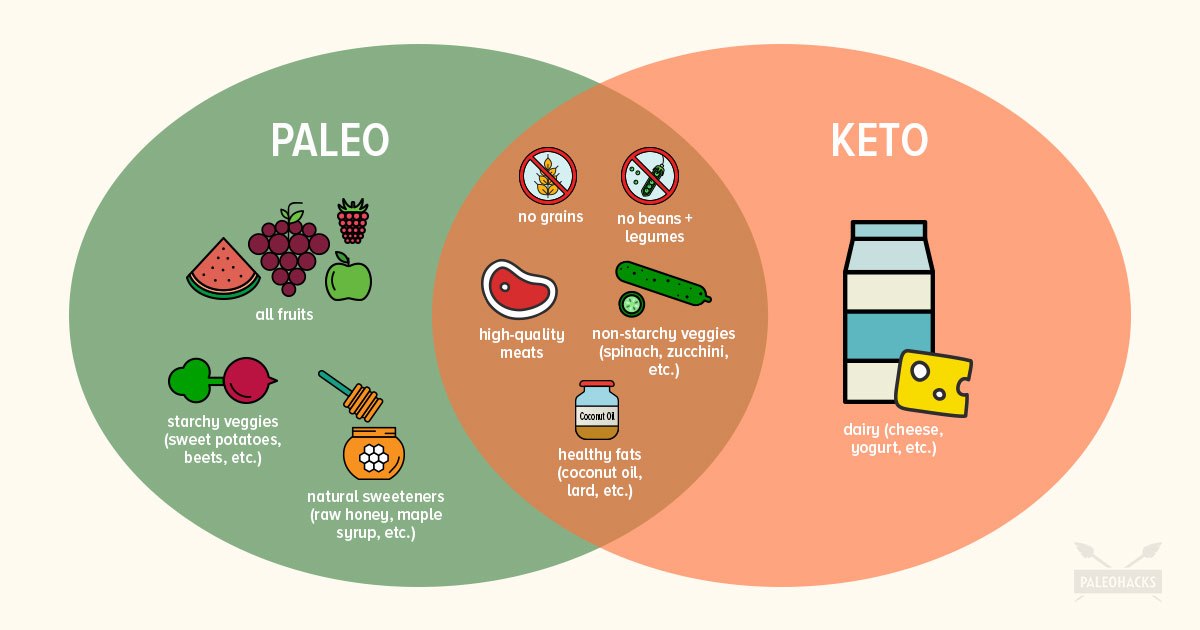

The Core Difference in Paleo vs Keto
In 2026, the debate between Paleo vs Keto remains a central topic for those seeking metabolic health, yet the two diets operate on fundamentally different principles. While both eliminate processed foods, grains, and refined sugars, they pursue health through distinct mechanisms. Keto forces the body into a fat-burning state called ketosis by strictly limiting carbohydrates, whereas Paleo emphasizes the quality and source of food to mimic ancestral eating patterns, allowing for moderate carbohydrate intake from whole sources.
Understanding this distinction is the first step in deciding which approach aligns with your body and lifestyle. Keto requires precise macro tracking to maintain a high-fat, low-carb ratio, often permitting processed keto-friendly snacks or high-fat dairy. Paleo, conversely, focuses on whole foods like meat, fish, eggs, vegetables, fruits, nuts, and seeds, without strict macronutrient ratios. You can follow a Paleo diet without ever entering ketosis by including starchy vegetables and fruits, while a strict Keto diet may include items that do not fit the "whole food" ethos of Paleo.
Macro Breakdown: Fats, Carbs, and Protein
The mechanical targets of these diets diverge significantly despite their shared foundation of eliminating processed ingredients. Keto forces the body into ketosis by restricting carbohydrates to near-zero levels, whereas Paleo focuses on food quality and allows for a moderate carbohydrate intake from fruits, starchy vegetables, and legumes (depending on the strictness of the variation).
Ketosis vs. Whole Foods
Keto is a metabolic state achieved through extreme carbohydrate restriction. To maintain ketosis, most people need to keep daily net carbs under 20–50 grams. This forces the body to burn fat for fuel instead of glucose. Consequently, the diet is high in fat, typically comprising 70–80% of total daily calories. Protein is kept moderate to prevent gluconeogenesis (the conversion of protein to glucose), which could kick the body out of ketosis.
Paleo, by contrast, does not strictly target a metabolic state but rather a food source. It mimics the presumed diet of Paleolithic humans, focusing on whole foods like meat, fish, eggs, vegetables, fruits, nuts, and seeds. Carbohydrate intake is not strictly limited to a specific gram count but is derived from nutrient-dense sources. Fat intake is moderate (around 35–40%), and protein is often higher than in keto because Paleo encourages generous portions of animal proteins without the strict macro-tracking required by keto.
Comparing the Numbers
The table below illustrates the typical macronutrient distribution for each diet. These percentages represent general guidelines and can vary based on individual metabolic needs and specific diet variations.
| Macronutrient | Keto | Paleo |
|---|---|---|
| Fat | 70-80% | 35-40% |
| Protein | 15-20% | 25-35% |
| Carbs | 5-10% | 25-40% |
| Daily Net Carbs | 20-50g | 100-150g+ |
| Primary Fuel | Ketones/Fat | Glucose/Fat |
What You Can Eat on Each Diet
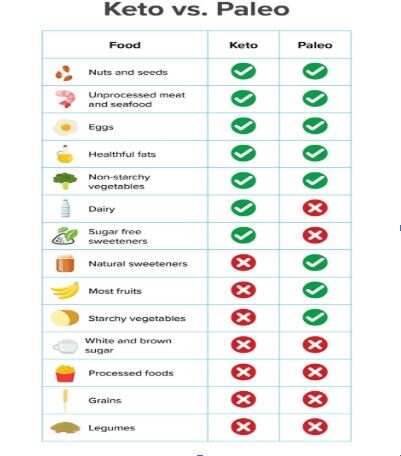
Understanding the Paleo vs Keto diet comparison starts with the food on your plate. Both plans eliminate processed sugars and refined grains, creating a strong baseline of whole foods. However, the specific rules for dairy, legumes, and fruit create distinct paths toward your health goals.
Overlapping Foundations
The core of both diets relies on nutrient-dense, unprocessed items. You can expect to eat plenty of vegetables, quality meats, and healthy fats on either plan. This overlap ensures that regardless of your choice, your diet will be rich in essential vitamins and minerals.
- Proteins: Grass-fed beef, wild-caught fish, chicken, and eggs are staples in both kitchens.
- Vegetables: Leafy greens, cruciferous veggies, and non-starchy options form the bulk of meals.
- Fats: Olive oil, avocado oil, coconut oil, and nuts are encouraged to provide energy and satiety.
Where Paleo Diverges
Paleo focuses on foods available to hunter-gatherers, excluding anything processed or agricultural. This means you can eat a wider variety of fruits and starchy vegetables that are restricted on keto. Dairy is generally avoided, though ghee is sometimes permitted.
- Fruits: Berries, apples, and bananas are allowed in moderation, providing natural sugars and fiber.
- Starchy Vegetables: Sweet potatoes, squash, and carrots are acceptable sources of carbohydrates.
- Legumes: Beans, lentils, and peanuts are excluded due to anti-nutrient concerns.
Where Keto Diverges
Keto prioritizes metabolic state over food origin. The goal is to keep carbohydrates extremely low (usually under 20-50g daily) to maintain ketosis. This allows for certain dairy products and nuts that paleo might restrict, but strictly limits fruits and starchy vegetables.
- Dairy: Heavy cream, butter, and hard cheeses are often permitted if they fit your macros.
- Nuts and Seeds: Almonds, macadamia nuts, and chia seeds are common keto snacks.
- Strict Limits: Most fruits, grains, and legumes are off-limits to prevent insulin spikes.
Making the Choice
The decision between these diets often comes down to flexibility versus metabolic precision. Paleo offers more dietary variety with fruits and starchy vegetables, making it easier to sustain socially. Keto provides stricter rules that may accelerate fat loss for some, but requires meticulous tracking. Your preference for food variety or metabolic control should guide your selection.
Meal Prep and Daily Convenience
The daily rhythm of eating differs significantly between the two approaches. When comparing Paleo vs Keto, you will find that Keto demands more precision, while Paleo requires more vigilance when shopping or dining out.
Keto is built on strict macronutrient ratios. To stay in ketosis, you must track grams of fat, protein, and carbs daily. This often means weighing food and using apps to monitor intake. The process is data-driven and leaves little room for estimation. If you are comfortable with spreadsheets and scales, this structure can feel manageable.
Paleo relies on food quality rather than numbers. You eat whole foods like meat, vegetables, and fruits. There is no need to count macros, making the daily routine feel more intuitive. However, this freedom comes with a trade-off. You must read every label carefully to avoid hidden grains, dairy, and additives.
Dining out presents different hurdles for each diet. Keto menus often list net carbs, making it easier to spot compliant options like grilled meats with steamed vegetables. Paleo requires you to ask specific questions about cooking oils and sauces, as many restaurants use grain-based thickeners or seed oils that are not Paleo-friendly.
Both diets require some level of preparation. Keto meal prep involves calculating ratios for every meal. Paleo meal prep involves sourcing clean ingredients and ensuring they remain unprocessed. Your choice should align with which type of effort you are willing to sustain long-term.
Weight Loss and Energy: Paleo vs Keto Outcomes
When comparing Paleo vs Keto, the most immediate difference often appears in the first few weeks. Keto’s strict carbohydrate restriction forces the body into ketosis, burning fat for fuel instead of glucose. This metabolic shift typically triggers rapid initial weight loss, largely due to the depletion of glycogen stores and the accompanying water weight. Paleo dieters may also lose weight, but because they consume more fruits and starchy vegetables, the drop is usually more gradual and steady rather than a sharp initial decline.
Energy levels follow different patterns on each diet. Many people on keto report stable energy throughout the day because ketones provide a consistent fuel source, avoiding the blood sugar spikes and crashes associated with higher-carb meals. However, the transition into ketosis can cause temporary fatigue, often called the "keto flu," as the body adapts to using fat for energy. Paleo dieters might experience less initial disruption but could encounter energy dips if their carbohydrate intake from fruits and tubers is not timed well around activity.
Long-term sustainability also plays a role in these physiological outcomes. Keto’s rigid rules can be socially isolating and difficult to maintain, potentially leading to burnout. Paleo offers more flexibility with food choices, which may support better micronutrient diversity and easier social integration over time. While keto might win on speed, Paleo may offer a more balanced approach for those prioritizing long-term dietary adherence and nutrient variety.
Shopping List Essentials for Beginners
Starting either diet requires a shift in how you stock your kitchen. The primary difference between Paleo vs Keto shopping lies in flexibility: Keto demands strict carb counting, while Paleo focuses on food quality and processing levels. Your cart should reflect these distinct priorities to avoid confusion and wasted trips.
For Keto, you are buying fuel for fat adaptation. Prioritize high-fat proteins like ribeye steaks, bacon, and salmon, alongside low-carb vegetables such as spinach, broccoli, and zucchini. Essential pantry staples include olive oil, avocado oil, coconut oil, and heavy cream. You will also need sugar-free sweeteners like erythritol or stevia if you need to bake occasionally. Avoid all grains, legumes, and starchy tubers entirely.
Paleo shopping centers on whole foods that mimic what early humans might have eaten. Focus on grass-fed meats, wild-caught fish, eggs, and a wide variety of fruits and vegetables. Unlike Keto, Paleo allows for higher-carb fruits like berries, apples, and bananas, as well as tubers like sweet potatoes and yams. Key pantry items include nuts, seeds, coconut flour, almond flour, and natural sweeteners like raw honey or maple syrup in moderation.
Both diets benefit from similar kitchen tools. A good food scale helps with portion control, especially for Keto macros. A high-quality blender is useful for smoothies and bone broth. Invest in reusable food storage containers to prepare meals ahead of time, which is critical for sticking to either plan when busy.


As an Amazon Associate, we may earn from qualifying purchases.
Frequently asked: what to check next
Can I combine Paleo and Keto?
Yes, but it requires strict discipline. The Paleo diet allows fruit, honey, and starchy vegetables like sweet potatoes, which can push your carbohydrate intake above the threshold needed for ketosis. To combine them, you must eliminate all fruits and starches, focusing instead on Paleo-approved meats, eggs, and non-starchy vegetables. This essentially turns your Paleo diet into a ketogenic one, as you are adhering to the low-carb requirement of Keto while maintaining the whole-food focus of Paleo.
Is dairy allowed on the Paleo diet?
Traditional Paleo guidelines exclude all dairy products, including milk, cheese, and butter. The rationale is that humans evolved before the widespread domestication of cattle, and some people believe dairy can cause inflammation or digestive issues. However, some modern interpretations allow grass-fed butter or ghee because the casein and lactose content is significantly reduced. In contrast, Keto does not restrict dairy as long as the carbohydrate count remains low, making cheese and heavy cream acceptable staples for many followers.
Can I eat fruit on Keto?
Most fruits are restricted on a ketogenic diet because they are high in natural sugars that can disrupt ketosis. You are typically limited to small portions of low-glycemic berries, such as raspberries or blackberries. In comparison, the Paleo diet is more flexible with fruit, allowing moderate consumption of whole fruits like apples, bananas, and oranges as long as they are unprocessed. If your goal is weight loss through ketosis, fruit intake must be minimal; if your goal is whole-food nutrition, Paleo offers more variety.
No comments yet. Be the first to share your thoughts!