

Core differences between paleo and keto meal prep
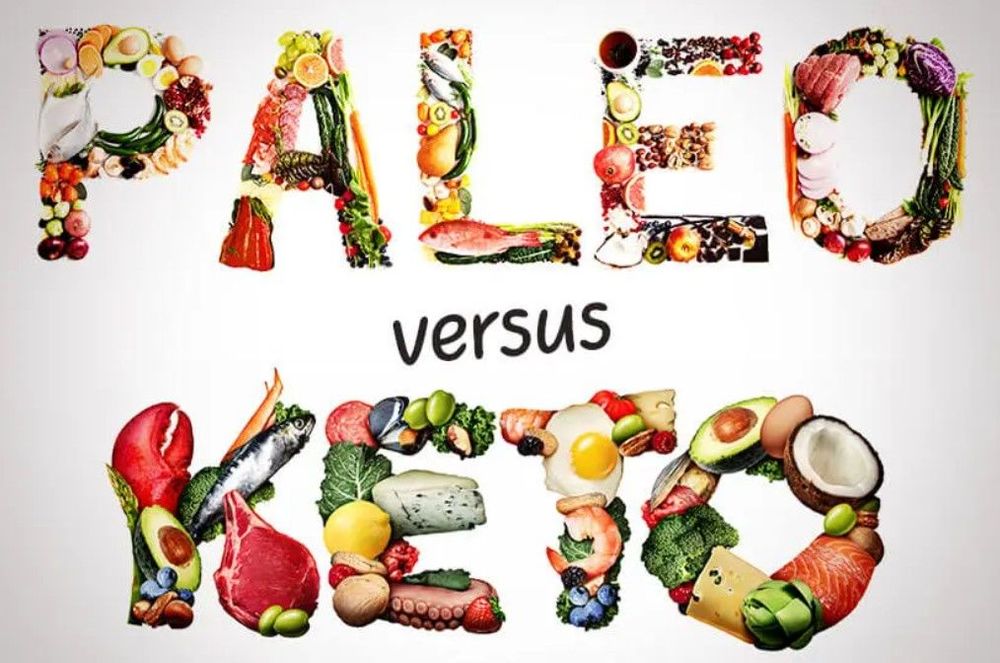
Paleo and keto both remove grains and processed sugars, but they solve meal prep problems from opposite directions. Paleo focuses on food quality, requiring you to choose whole, unprocessed ingredients that resemble what early humans might have eaten. Keto focuses on metabolic state, tracking macronutrients to keep your body in ketosis by keeping carbohydrates very low and fats high.
This distinction changes how you plan your weekly menu. A paleo meal prep plan asks "is this ingredient minimally processed?" A keto plan asks "does this hit my fat and protein targets?" You can eat paleo without being in ketosis if you include enough fruit, nuts, or starchy vegetables like sweet potatoes. Conversely, you can eat keto without being strictly paleo by using processed low-carb sweeteners or certain dairy products that paleo followers avoid.
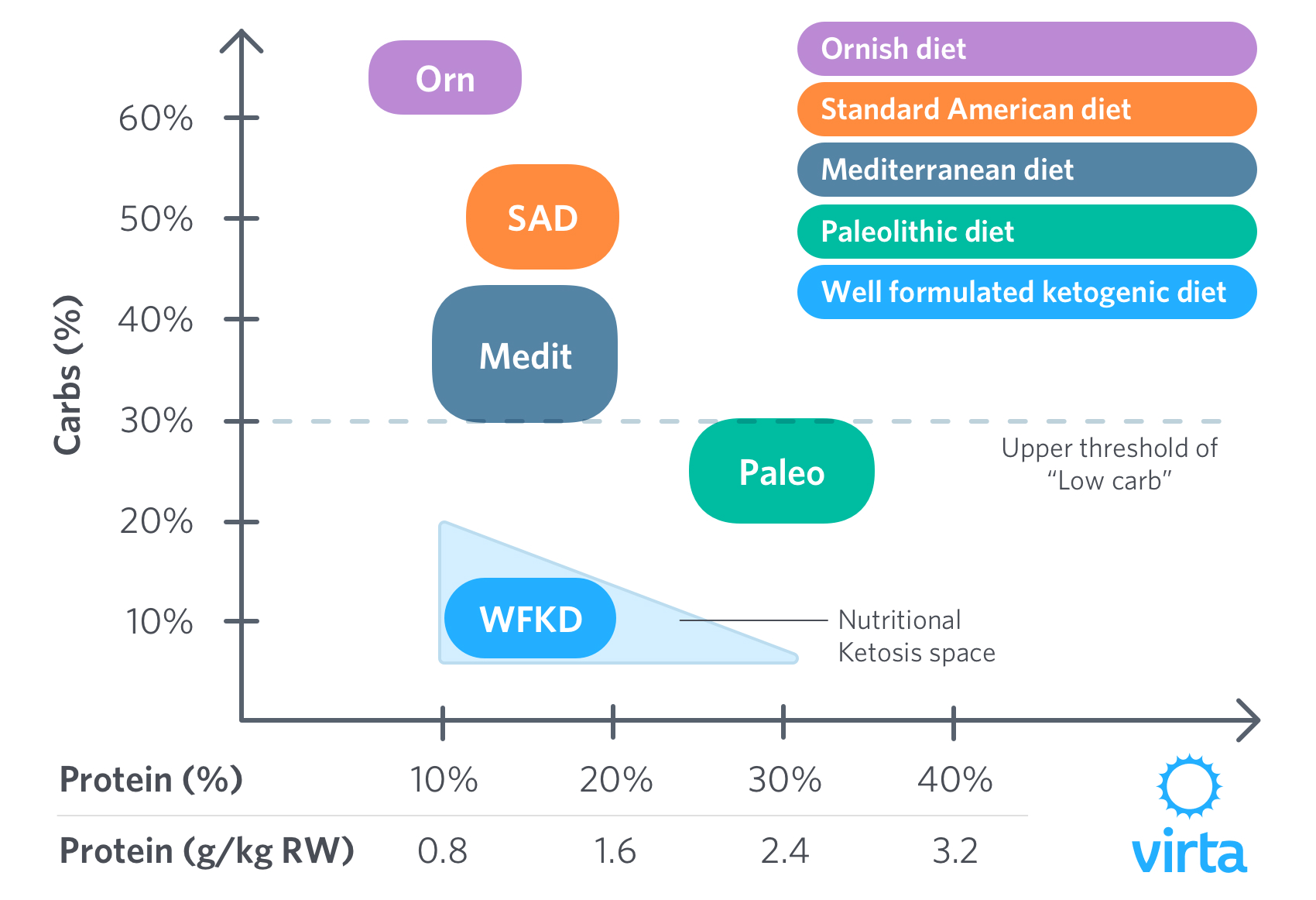
The table below compares the primary constraints for each approach.
| Feature | Paleo | Keto |
|---|---|---|
| Primary Focus | Food quality | Metabolic state |
| Carb Limit | Moderate (no grains/beans) | Very Low (<50g/day) |
| Fat Intake | Natural sources | High (60-80% of calories) |
| Dairy | Avoided | Allowed |
| Starchy Veggies | Allowed | Limited |
Meal Prep Logistics: What to Buy
Shopping for meal prep requires a clear strategy because Paleo and Keto pull in opposite directions when it comes to carbohydrates. While both diets emphasize whole, unprocessed foods, your grocery list will look very different depending on which metabolic goal you are chasing. Understanding these distinctions prevents wasted trips to the store and ensures your pantry supports your specific energy needs.
The Paleo Pantry: Roots and Fruits
The Paleo approach builds a pantry around foods that would have been available to hunter-gatherers. This means your cart is full of colorful produce, including high-sugar fruits like berries, apples, and mangoes. You will also stock up on starchy tubers such as sweet potatoes, yams, and carrots. These items provide essential carbohydrates for energy, making them staples for anyone following a strict Paleo meal prep routine.
Meat and seafood remain central, but you will also find space for nuts, seeds, and healthy oils like avocado and olive oil. The variety is broad, allowing for flexible meal combinations. However, this reliance on plant-based carbohydrates means you need a larger refrigerator and freezer capacity to store fresh produce that spoils faster than shelf-stable fats.
The Keto Pantry: Fats and Low-Carb Greens
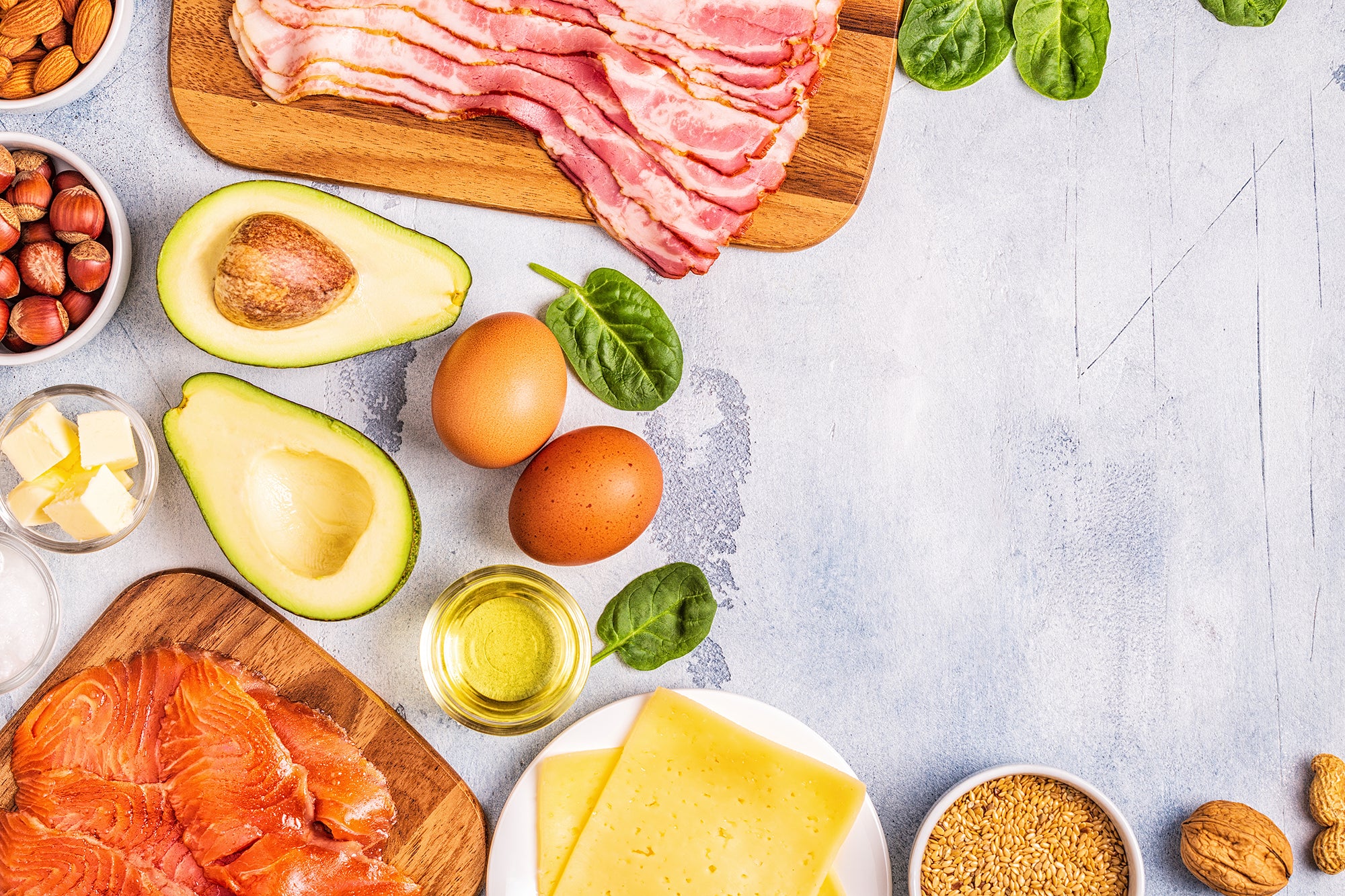
Keto shopping is defined by restriction. You will leave the fruit aisle and the root vegetable section alone. Instead, your cart is dominated by high-fat foods: cuts of beef with visible marbling, fatty fish like salmon, eggs, butter, and heavy cream. The goal is to keep net carbohydrates under 50 grams a day, so you are buying low-carb vegetables like spinach, kale, broccoli, and zucchini.
This list is shorter and more rigid. You will spend more money on premium proteins and fats, but you will waste less food because ingredients like cheese, cured meats, and frozen vegetables have longer shelf lives. The lack of starchy carbs means you need to be more intentional about adding healthy fats to every meal to stay satiated.
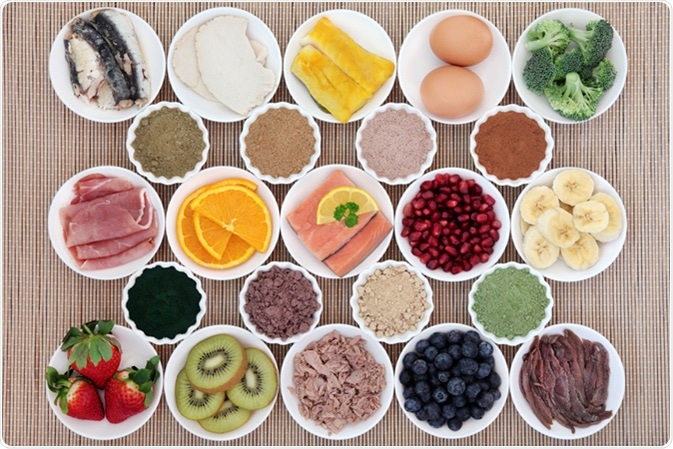
Starter Pantry Checklist
Use this checklist to build your initial stock for either diet. You do not need to buy everything at once, but having these core items on hand makes weekly meal prep significantly faster.
One-Pan Salmon: A Flexible Meal Prep Example
One of the biggest hurdles in meal prepping is finding meals that fit both Paleo and Keto macros without requiring two separate cooking processes. A simple sheet-pan salmon dinner solves this by using a shared base of ingredients and swapping only the carbohydrate source. This approach saves time on prep and cleanup while ensuring you hit your specific macronutrient targets.
The foundation of this recipe is wild-caught salmon fillets, olive oil (or avocado oil), lemon, and fresh herbs. These ingredients are compliant with both diets. The divergence happens in the side dish. For Paleo, you will add diced sweet potatoes or carrots. For Keto, you will swap the vegetables for avocado slices or asparagus. The cooking method remains identical, making this an ideal candidate for batch cooking.
How to Adapt the Macros
The primary difference lies in the carbohydrate content. Paleo allows for higher-carb root vegetables, providing energy and fiber. Keto restricts carbs to maintain ketosis, requiring high-fat, low-carb alternatives. By keeping the protein and healthy fats constant, you can easily adjust the plate composition based on your current dietary protocol.
Slice your chosen vegetables. For Paleo, use 1 cup of diced sweet potato or carrots. For Keto, use 1 avocado (sliced) or 1 cup of asparagus. Place the vegetables on a baking sheet lined with parchment paper. Drizzle with 1 tablespoon of olive oil and season with salt and pepper.
Place two 6-ounce salmon fillets on the same baking sheet. Rub each fillet with 1 tablespoon of olive oil or avocado oil. Squeeze half a lemon over the fish and sprinkle with dried dill or thyme. Ensure the salmon is placed near the vegetables so they cook together.
Preheat your oven to 400°F (200°C). Roast the sheet pan for 12-15 minutes. The salmon is done when it flakes easily with a fork and the internal temperature reaches 145°F. If using sweet potatoes, ensure they are tender. If using asparagus or avocado, add the avocado slices after removing the pan from the oven to prevent burning.
Divide the salmon and vegetables into four airtight containers. This recipe yields four servings. Store in the refrigerator for up to four days. The meal can be eaten cold or reheated gently in the microwave. Add fresh lemon juice before eating to brighten the flavor.
This single recipe demonstrates how minor ingredient swaps can align the same meal with different dietary frameworks. By mastering this one-pan technique, you can streamline your weekly meal prep while staying strictly within Paleo or Keto guidelines.
Health Outcomes and Long-Term Sustainability
When choosing between Paleo and Keto for meal prep, the decision often comes down to your specific metabolic goals and how you want to manage inflammation. Keto is designed for rapid weight loss and strict metabolic control, while Paleo focuses on nutrient density and reducing systemic inflammation through whole foods.
Keto restricts carbohydrates to 20-50 grams per day, forcing the body into ketosis. This state allows for quick fat adaptation and significant short-term weight reduction. However, the high fat intake—often exceeding 70% of daily calories—can be difficult to sustain socially and culinarily. Paleo allows more flexibility with carbohydrates from fruits and starchy vegetables, which may support better long-term adherence for those who find strict carb counting restrictive.
For meal preppers, Keto offers predictable macros but requires careful fat tracking. Paleo meals are naturally less processed but require more variety in vegetable sourcing to ensure adequate micronutrient intake. Both diets eliminate processed sugars and refined grains, which is the primary driver for improved energy levels and reduced inflammation regardless of the specific framework.
Paleo’s emphasis on anti-inflammatory foods like leafy greens, berries, and fatty fish may offer better long-term health markers for those prone to chronic inflammation. Keto’s rapid metabolic shift can be powerful for initial weight loss but may be harder to maintain as a lifelong lifestyle. Consider your personal tolerance for fat and carbohydrates when planning your weekly prep.
Common Questions on Paleo and Keto
What is healthier, keto or paleo?
Neither diet is objectively "healthier" without context. Keto prioritizes metabolic shifts into ketosis, making it effective for rapid fat loss or managing certain neurological conditions. Paleo focuses on food quality, eliminating processed items, grains, and legumes to reduce inflammation. If your goal is strict carbohydrate restriction, keto is the more precise tool. If you want to prioritize whole, unprocessed foods without counting macros, paleo offers a sustainable framework.
Can you have eggs on paleo?
Yes, eggs are a staple in the paleo diet. They are considered a whole, unprocessed food and fit the ancestral eating model. You can enjoy eggs in your meal prep without restriction, whether boiled, scrambled, or fried in healthy fats like coconut oil or ghee. They are an excellent source of protein and healthy fats for both paleo and keto meal plans.
Is paleo the best anti-inflammatory diet?
Paleo is widely regarded as one of the most effective anti-inflammatory diets because it removes common triggers like refined sugars, processed vegetable oils, and gluten. By focusing on lean meats, fish, vegetables, and fruits, it naturally reduces systemic inflammation for many people. While keto can also reduce inflammation due to ketone production, paleo achieves this through food elimination rather than macronutrient manipulation.
Do you lose weight on paleo?
Weight loss on paleo typically occurs because the diet eliminates calorie-dense processed foods and sugar. Without the need to track macros, many people naturally consume fewer calories while feeling fuller due to higher protein and fiber intake. However, weight loss is not guaranteed if portions of calorie-dense foods like nuts, seeds, and healthy oils are not monitored.
No comments yet. Be the first to share your thoughts!