
Make the recipe
Choosing between paleo and keto often comes down to whether you prioritize strict carb counting or whole-food quality. This recipe bridges that gap. It uses high-fat ingredients to support ketosis while sticking to paleo-approved grains and sugars. The result is a meal that keeps you full without requiring a scale.
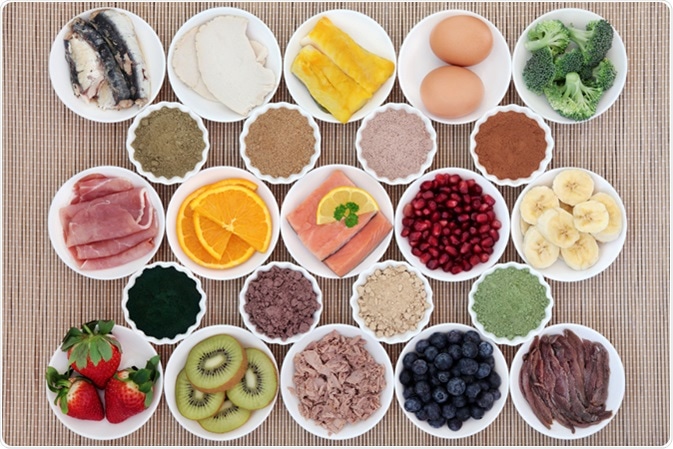
The coconut aminos add a savory depth that mimics soy sauce without the grains, while the avocado provides healthy monounsaturated fats. This combination helps stabilize blood sugar levels more effectively than traditional grain-based sides. The lime juice cuts through the richness of the chicken thighs, creating a balanced flavor profile that satisfies both keto macros and paleo principles.
Keep the texture right
Paleo and keto recipes often fail because they ignore the water content in ingredients. Unlike processed foods that use stabilizers, whole-food cooking requires active management of moisture. A paleo chicken dish can turn into soup if you don’t account for natural juices, while a keto fat bomb can become grainy if the fats separate. The goal is balance, not elimination.
Start by prepping your proteins correctly. Chicken thighs retain more moisture than breasts, making them forgiving for beginners. If you use breasts, pound them to an even thickness so they cook at the same rate. Pat them dry before hitting the pan. This simple step removes surface water that would otherwise steam the meat instead of searing it, ensuring a proper crust forms.
Vegetables are the next moisture trap. Leafy greens release water quickly, while root vegetables hold it in. Sauté hard vegetables like carrots or sweet potatoes in oil first to evaporate their internal water. Add delicate greens like spinach only at the end. This timing prevents your dish from becoming a watery mess. For keto recipes high in fat, this step is even more critical to avoid a greasy, separated sauce.
Seasoning needs to penetrate the food, not just sit on top. Salt draws out moisture, which can then be reabsorbed or evaporated. Season your proteins at least 40 minutes before cooking, or immediately before. Avoid adding salt to vegetables until they are nearly done. This keeps their texture crisp and prevents them from releasing too much liquid into your pan.
Use paper towels to remove all surface moisture from chicken or fish. This ensures a sear, not a steam.
Sauté zucchini, mushrooms, or leafy greens separately or first to evaporate excess water before combining.
Use medium-high heat to evaporate liquids quickly. Low heat will just boil the ingredients in their own juices.
Let cooked meat rest for 5-10 minutes. This allows juices to redistribute, keeping the meat moist when sliced.
Swaps that still work
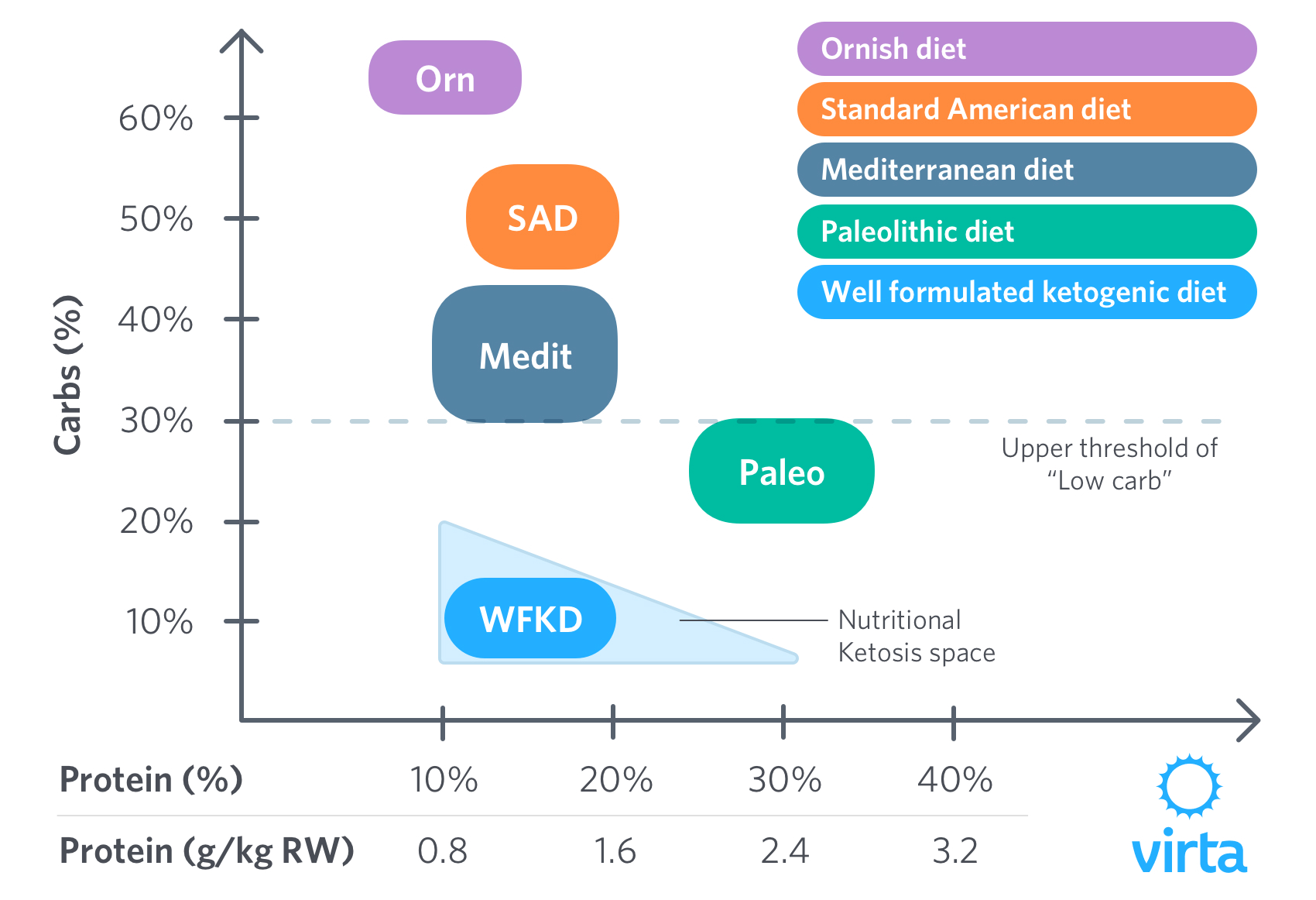
You can keep both diets on track by picking substitutes that respect their core rules: Paleo prioritizes whole, unprocessed foods, while Keto strictly limits net carbs. The table below compares common kitchen swaps, highlighting how each fits the specific constraints of its diet.
| Ingredient Swap | Paleo Verdict | Keto Verdict | Reason |
|---|---|---|---|
| Sweetener | Honey, maple syrup | Stevia, erythritol | Paleo allows natural sugars; Keto avoids all sugars. |
| Starch thickener | Tapioca, arrowroot | Xanthan gum | Arrowroot is paleo-friendly; Xanthan has negligible carbs. |
| Flour base | Almond, coconut flour | Almond, coconut flour | Both require grain-free, low-carb nut or seed flours. |
| Thickener | Not recommended | Xanthan gum | Paleo avoids processed gums; Keto uses them for texture. |
When cooking, remember that Paleo permits raw honey or date sugar for a touch of sweetness, whereas Keto requires non-nutritive sweeteners to stay in ketosis. For thickening sauces, arrowroot or tapioca starch works well for Paleo, but you will need xanthan or guar gum for Keto to achieve the same consistency without adding carbs.
The most reliable swaps involve nuts and seeds. Almond flour and coconut flour are staples in both diets because they are naturally grain-free and low in carbohydrates. Avoid any "paleo-friendly" products that contain hidden starches or processed gums, as these violate Keto's strict macros while failing Paleo's whole-food standards.
Serve and store it
Meal prep success on paleo or keto hinges on how you handle storage and reheating. Both diets rely heavily on proteins and healthy fats, which can behave differently in the microwave than carb-heavy leftovers. The goal is to preserve texture and prevent the chicken from drying out or the fats from separating.
Storage guidelines
Store cooked chicken and paleo-friendly sides in airtight glass containers. Glass keeps the food fresher longer and doesn’t absorb odors like plastic can. Keep portions in the fridge for up to four days or freeze them for up to three months. Label everything with the date so you don’t guess.
Reheating tips
Reheat gently to avoid toughening the meat. Use the stovetop with a splash of broth or water for chicken. If you must use the microwave, cover the dish and heat in 30-second intervals, stirring in between. This keeps the moisture intact and ensures even warming.
Serving suggestions
Serve the chicken with low-carb vegetables like roasted broccoli or cauliflower rice. Add fresh herbs or a squeeze of lemon to brighten the flavors. For a keto twist, drizzle with avocado oil or top with sliced avocado. For paleo, stick to natural sweeteners if you need a glaze, like a small amount of raw honey.
Frequently asked questions about paleo and keto
Is paleo the best anti-inflammatory diet? Paleo removes many processed triggers like refined sugars and industrial seed oils, which naturally reduces inflammation for many people. However, "best" depends on your body. Some individuals tolerate dairy or nuts well within a paleo framework, while others find strict elimination necessary. It is less about the label and more about removing the specific foods that cause you personal inflammation.
Can you have eggs on paleo? Yes, eggs are a staple on the paleo diet. They are considered a whole, unprocessed food that fits the ancestral eating model. You can eat them in almost any paleo recipe, including the chicken dishes featured in this guide. Most paleo followers prioritize pasture-raised eggs for higher nutrient density, but any whole egg is permitted.
Can paleo put you in ketosis? It can, but it is not automatic. Keto requires strict carb limitation (usually under 20-50g daily) to force fat adaptation. Paleo allows higher-carb foods like sweet potatoes, carrots, and fruit. If you eat these freely on paleo, you will likely not enter ketosis. To achieve ketosis on paleo, you must limit starchy vegetables and fruits significantly, similar to keto.
Is paleo actually healthy? Paleo is generally healthy because it emphasizes whole foods, lean proteins, and vegetables while cutting out ultra-processed items. However, it is not a magic bullet. A paleo diet high in processed paleo-friendly snacks or excessive saturated fats may not improve heart health markers for everyone. Long-term health depends on balance, nutrient density, and sustainability rather than just the absence of grains.
No comments yet. Be the first to share your thoughts!