

Compare macro targets and food rules
Paleo vs Keto works best as a clear sequence: define the constraint, compare the realistic options, test the tradeoff, and choose the path with the fewest hidden costs. That order keeps the advice usable instead of decorative. After each step, pause long enough to check whether the recommendation still fits the reader's actual situation. If it depends on perfect timing, unusual access, or a best-case budget, include a simpler fallback.
| Factor | What to check | Why it matters |
|---|---|---|
| Fit | Match the option to the primary use case. | A good deal still fails if it does not fit the job. |
| Condition | Verify age, wear, and service history. | Hidden condition issues erase upfront savings. |
| Cost | Compare purchase price with likely upkeep. | The cheapest option is not always the lowest-cost option. |
Match the diet to your specific health goal
Choosing between paleo and keto starts with identifying your primary motivation. While both diets restrict carbohydrates, they achieve this through different mechanisms that suit different outcomes. Use the following steps to align your diet with your specific health goals.
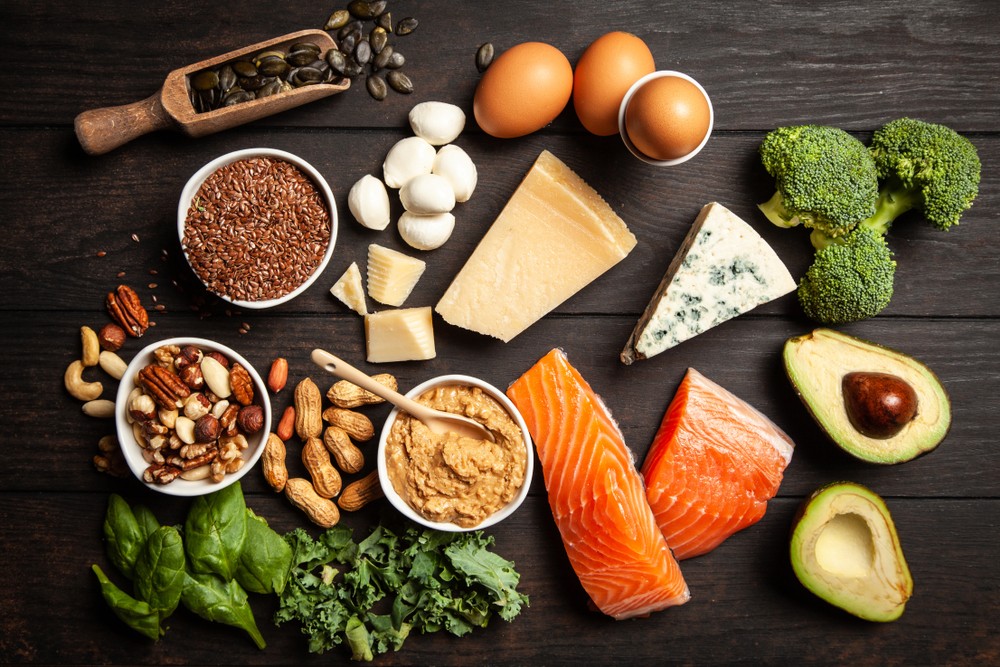
Keto is generally more effective for rapid weight loss. By restricting carbs to under 50 grams daily, your body enters ketosis, forcing it to burn fat for fuel instead of glucose. This metabolic state often leads to faster initial results compared to paleo, which allows for more flexible carbohydrate intake from fruits and starchy vegetables. If your main goal is shedding pounds quickly, keto’s strict structure provides a clear path.
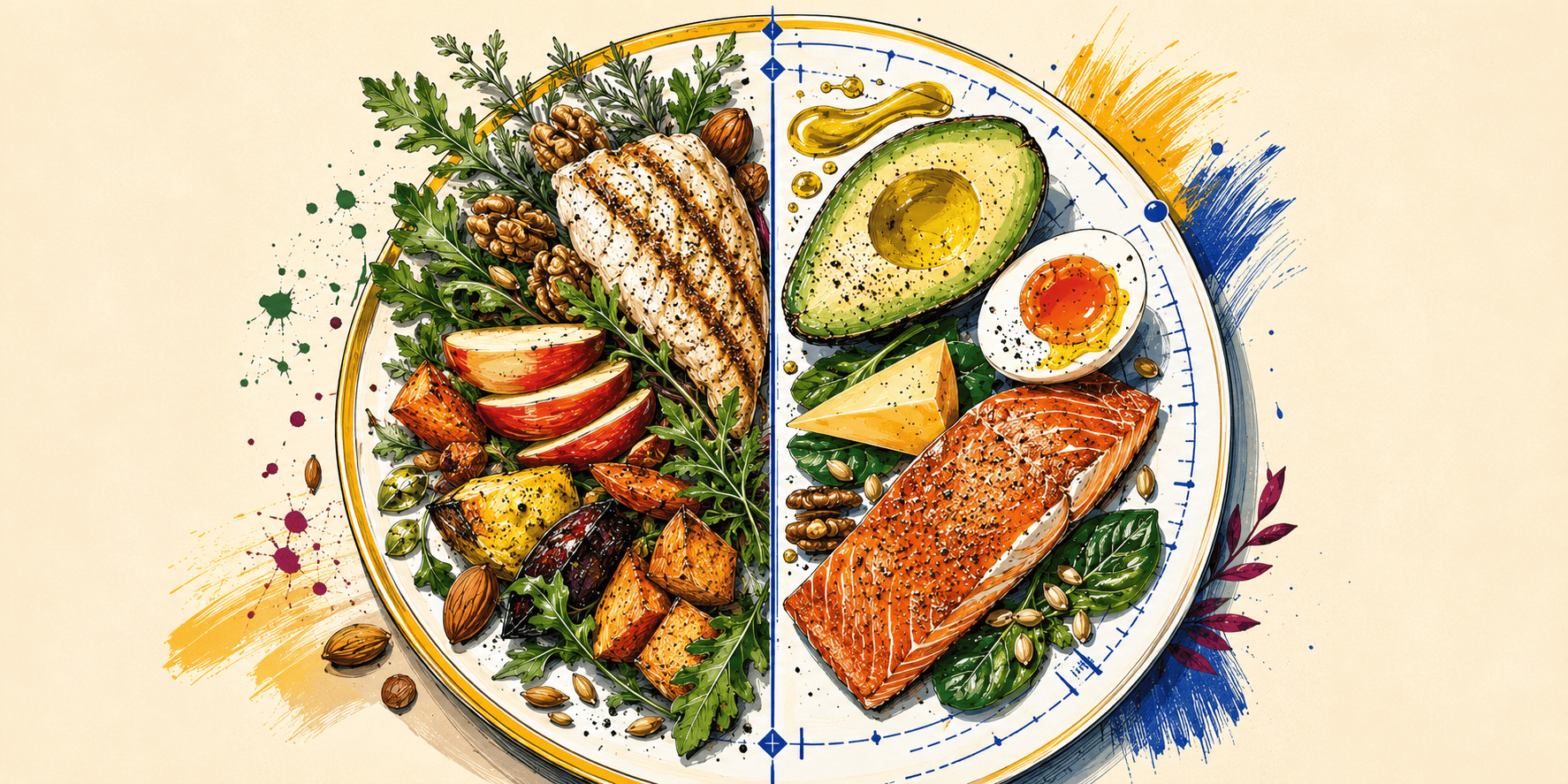
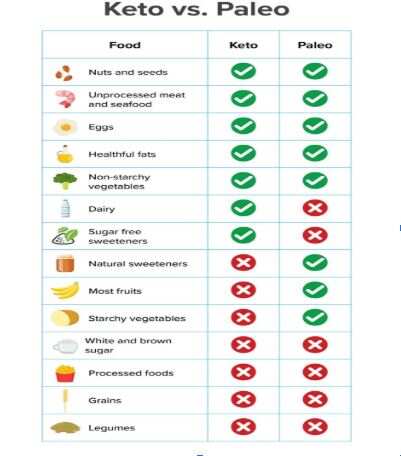
Paleo is often the better choice for reducing inflammation. It eliminates processed foods, refined sugars, and grains, which are common triggers for inflammatory responses. While keto also removes these items, paleo’s emphasis on whole, unprocessed foods and higher vegetable intake can provide more micronutrients that support immune function. If you are managing an autoimmune condition or want to lower systemic inflammation, paleo’s broader food palette may be more sustainable and beneficial.
Athletes often find paleo more suitable for high-intensity performance. The diet allows for moderate carbohydrate intake from sources like sweet potatoes and fruits, which can replenish glycogen stores more effectively than keto’s minimal carb allowance. For endurance athletes or those doing heavy strength training, the extra carbs in paleo can provide the necessary energy for peak performance without the fatigue often associated with long-term keto adaptation.
Ultimately, the right choice depends on your body’s response and your long-term sustainability. Keto offers a structured framework for fat loss, while paleo provides a flexible approach to whole-food eating. Consider trying one for 30 days and tracking your energy levels, digestion, and weight changes before switching.
Plan your weekly meal prep strategy
Start Paleo vs Keto with the constraint that matters most in real life: space, timing, budget, skill level, maintenance, or availability. That first constraint should shape the rest of the plan instead of appearing as an afterthought. Keep the first pass simple enough to verify. Compare the main options against the same criteria, remove choices that only work in ideal conditions, and save optional upgrades for later.

Avoid Common Pitfalls in Both Diets
Starting a low-carb diet often feels like a fresh start, but specific missteps can derail your progress before you see results. Whether you are tracking macros for keto or focusing on whole foods for paleo, ignoring the physiological shift can lead to the "keto flu" or unnecessary hunger.
The most frequent error is neglecting electrolyte balance. When you cut carbs, your insulin levels drop, signaling your kidneys to flush out water and essential minerals like sodium, potassium, and magnesium. Without replacing these, you may experience headaches, fatigue, and brain fog. Drink water consistently and consider adding a pinch of salt to your meals or using a magnesium supplement to keep your energy steady.
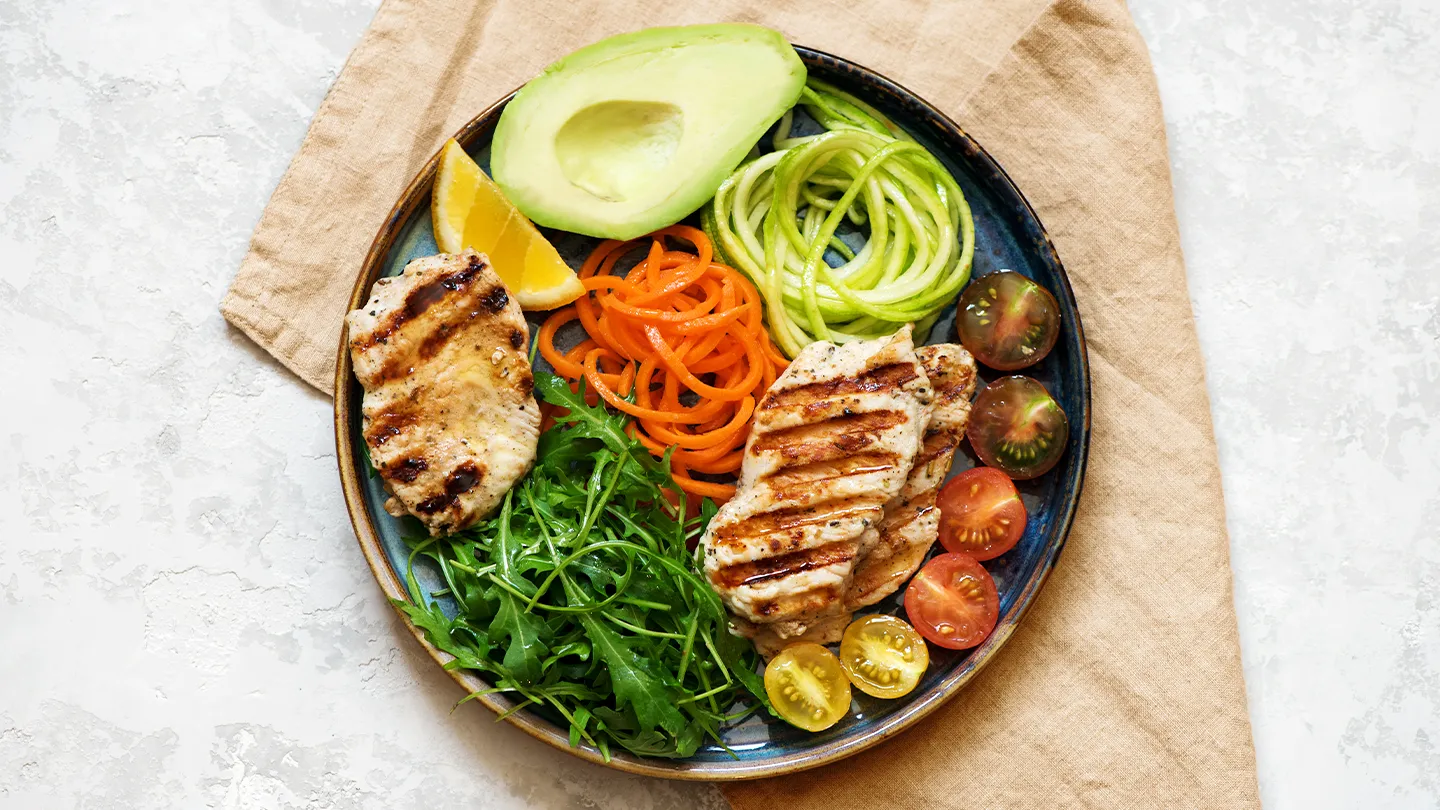
Another trap is relying on processed "keto-friendly" snacks. Many packaged bars and chocolates are low in carbs but high in industrial seed oils and artificial sweeteners. These products can spike insulin or trigger cravings, keeping you stuck in a cycle of hunger. Instead, prioritize whole food fats like avocados, olive oil, nuts, and eggs. They provide sustained energy without the inflammatory load of processed alternatives.
Finally, don’t underestimate the importance of meal prep. Both diets require conscious food choices, and impulsive decisions often lead back to grains or sugars. Plan your protein sources and vegetables for the week ahead. Having ready-to-eat meals prevents the convenience of junk food from winning out when you are busy or tired.
Before you begin, use this checklist to set yourself up for success:
-
Stock up on electrolyte supplements or sea salt
-
Clear out processed low-carb snacks from your pantry
-
Plan your first week’s whole food meals
-
Hydrate with at least 2-3 liters of water daily
Watch a visual guide to the differences
See how the diets compare in practice. Dr. Samantha Harris, an endocrinologist at Scripps, breaks down the practical differences between the keto and paleo diets in this video.
No comments yet. Be the first to share your thoughts!