

Make the recipe
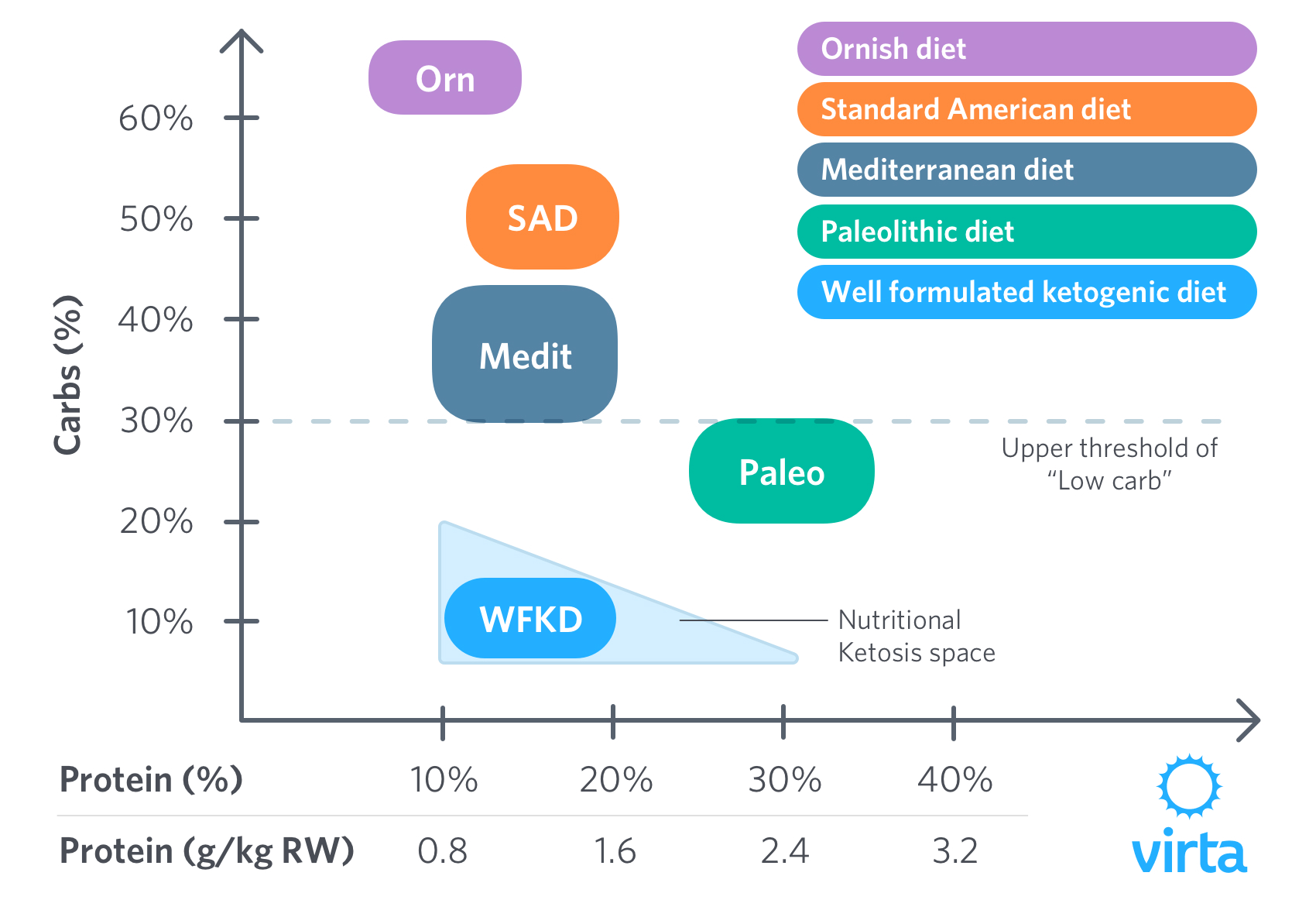
Choosing between paleo and keto often comes down to how you handle fats and fruits. Paleo leans on whole, unprocessed foods with moderate carbs from nature, while keto restricts carbs aggressively to force your body into fat-burning ketosis. This recipe bridges the gap by using healthy fats without grains, sugars, or legumes, making it suitable for both approaches if you watch the fruit intake.
The dish relies on simple ingredients you likely already have. It avoids processed oils and focuses on nutrient density. By keeping the carb count low through careful ingredient selection, you can stay in ketosis while still enjoying the variety paleo offers. This flexibility is why many people start with hybrid meal prep before committing strictly to one side.
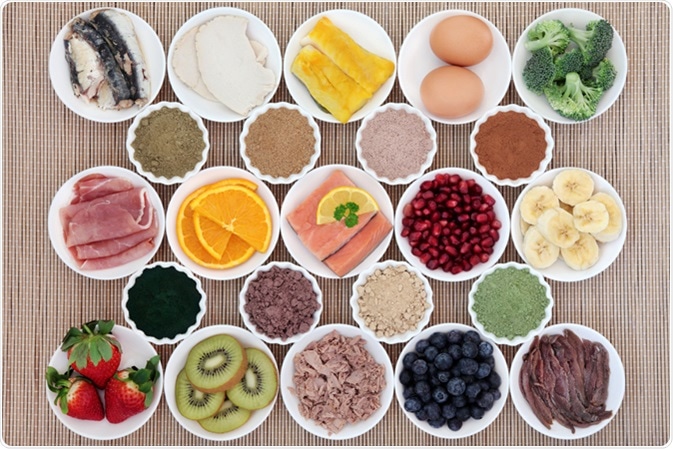
This meal takes less than 30 minutes from start to finish. The high fat content from the salmon and avocado supports ketosis, while the fresh vegetables provide the micronutrients paleo advocates prioritize. You can prep the cauliflower rice in batches to save time during the week. Adjust the lemon juice to control the slight carbohydrate count if you are strict keto.
Keep the texture right
The biggest mistake people make when meal prepping paleo or keto meals is ignoring moisture control. Without grains or refined starches to act as a buffer, proteins and vegetables can turn dry, watery, or bland within hours in the fridge. The goal is to build meals that hold up structurally, not just taste good on day one.
1. Sear, don’t steam
High heat creates a crust that locks in juices and adds flavor. When prepping chicken, beef, or fish, pat the protein completely dry before seasoning. Use a hot pan with a thin layer of avocado oil or ghee. Sear until golden brown, then remove and let rest. Never cover hot meat immediately, as trapped steam will soften the crust and make the texture soggy.
Pat meats dry and sear in hot fat to create a crust. Let them rest before chopping to retain juices.
Briefly boil hard vegetables like broccoli or asparagus, then plunge them into ice water. This stops cooking and keeps them crisp-tender, preventing mushiness in the fridge.
Keep dressings, gravies, or oil-based sauces in small separate containers. Pour over the meal just before eating to prevent the base ingredients from absorbing too much liquid.
Let cooked food reach room temperature before putting lids on containers. Trapped heat creates condensation, which turns into water that pools at the bottom of your meal prep box.
2. Balance fats and fibers
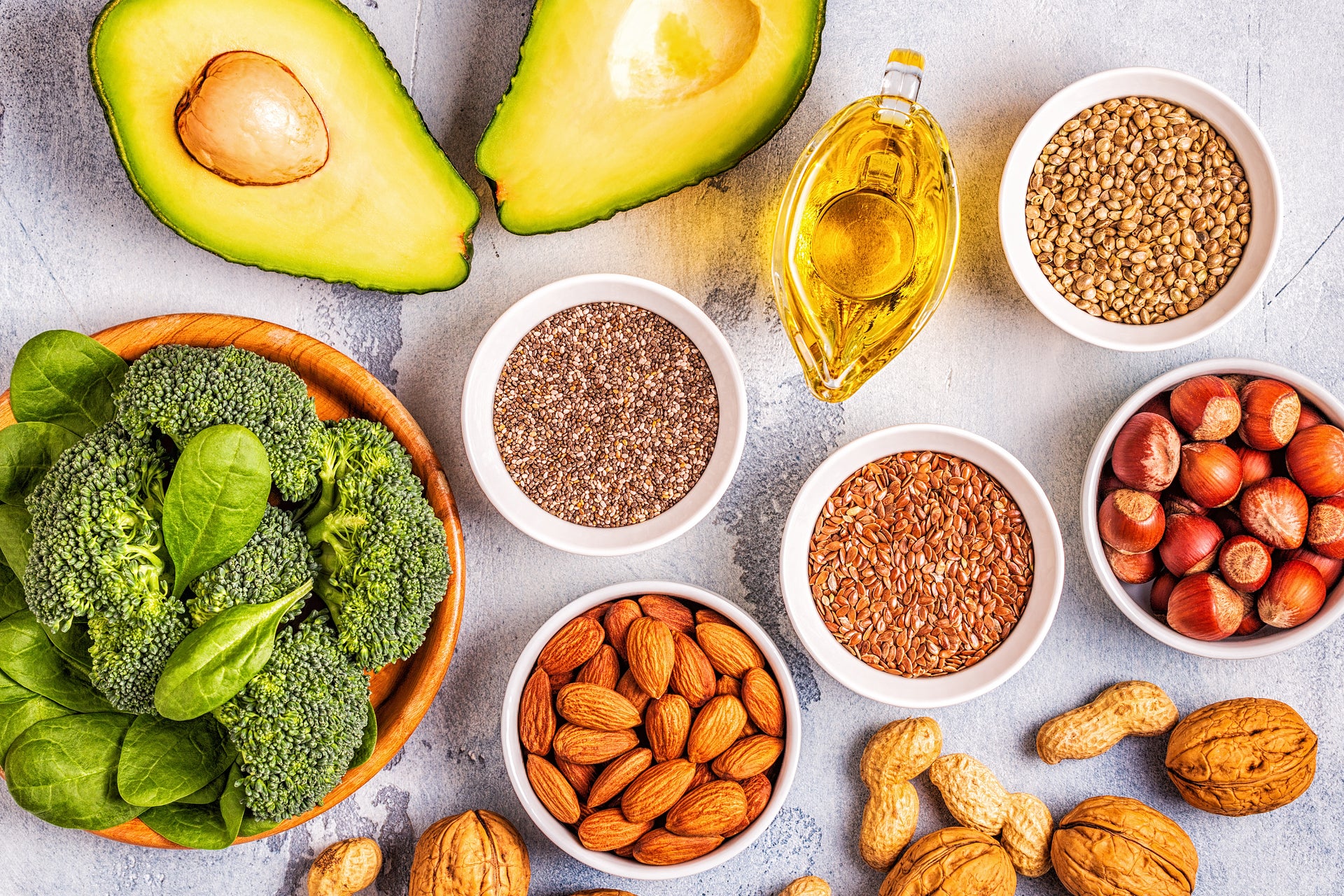
Paleo and keto diets rely heavily on fats for satiety, but too much liquid fat can separate and look unappetizing. Use emulsified fats like avocado oil or tahini, or solid fats like coconut oil, which hold their structure better when chilled. For vegetables, pair high-water content foods (zucchini, spinach) with lower-water options (cauliflower, Brussels sprouts) to maintain a consistent bite.
3. Reheat with care
Microwaving leftovers on high power is the fastest way to ruin texture. Use medium power in short bursts. If the meal seems dry, add a teaspoon of water or broth before heating. For keto-friendly fats, a quick stir after heating helps redistribute any separated oils, restoring the creamy mouthfeel.
-
Pat proteins dry before searing
-
Blanch hard veggies, then ice-shock
-
Store sauces in separate small containers
-
Cool food completely before sealing containers
Swaps that still work
Meal prep fails when an ingredient doesn’t behave the way you expect. Keto and paleo share a foundation of whole foods, but their rules diverge on starches, sweeteners, and dairy. You can bridge the gap by understanding which swaps preserve the texture you need without breaking ketosis or violating paleo guidelines.
The goal isn’t to force one diet onto the other, but to find the middle ground where your prep remains simple. Below is a practical comparison of common ingredients and how they translate between the two plans.
| Ingredient | Keto Swap | Paleo Swap | Tradeoff |
|---|---|---|---|
| Rice | Cauliflower rice | Sweet potato cubes | Cauliflower loses bulk; sweet potatoes add carbs |
| Maple Syrup | Monk fruit blend | Raw honey or maple syrup | Monk fruit lacks depth; honey spikes insulin |
| Oats | Chia seeds | Sorghum or millet | Chia is dense; grains are paleo-approved |
| Soy Sauce | Coconut aminos | Coconut aminos or tamari | Coconut aminos are sweeter; tamari isn’t paleo |
| Milk | Unsweetened almond milk | Full-fat coconut milk | Almond milk is thin; coconut milk is heavy |
Start with your base. If you rely on rice for volume, cauliflower rice works for keto but feels insubstantial. Sweet potatoes offer a familiar chew for paleo but require carb counting for keto. For sweetness, monk fruit is the keto standard, while paleo allows honey or maple syrup in moderation. When it comes to dairy, almond milk is keto-friendly but watery; coconut milk adds richness but can overpower delicate flavors. Choose swaps based on whether you prioritize texture or strict macros.
Serve and store it
Start with measured ingredients and pay attention to the texture cue in the method. Most recipe problems come from changing thickness, moisture, or heat without adjusting the timing.
Paleo vs keto: what to check next
Choosing between paleo and keto often comes down to specific health goals and medical conditions. Here are answers to the most common questions readers ask before making a meal prep plan.
No comments yet. Be the first to share your thoughts!