

Spring's sweet paleo revival
Spring is a time for renewal, for brighter days, and, let’s be honest, for a little indulgence. Easter, with its traditions of colorful eggs and decadent treats, often feels like a turning point where healthy habits take a backseat. It’s easy to feel a pang of guilt after enjoying those classic desserts, knowing they’re packed with refined sugar and ingredients that don’t quite align with a wellness-focused lifestyle.
But what if you could enjoy the sweetness of spring without sacrificing your health goals? Paleo desserts offer a solution. They’re built on the principles of whole, unprocessed foods, allowing you to savor delicious treats that nourish your body rather than derail it. This isn’t about deprivation; it's about making smarter choices.
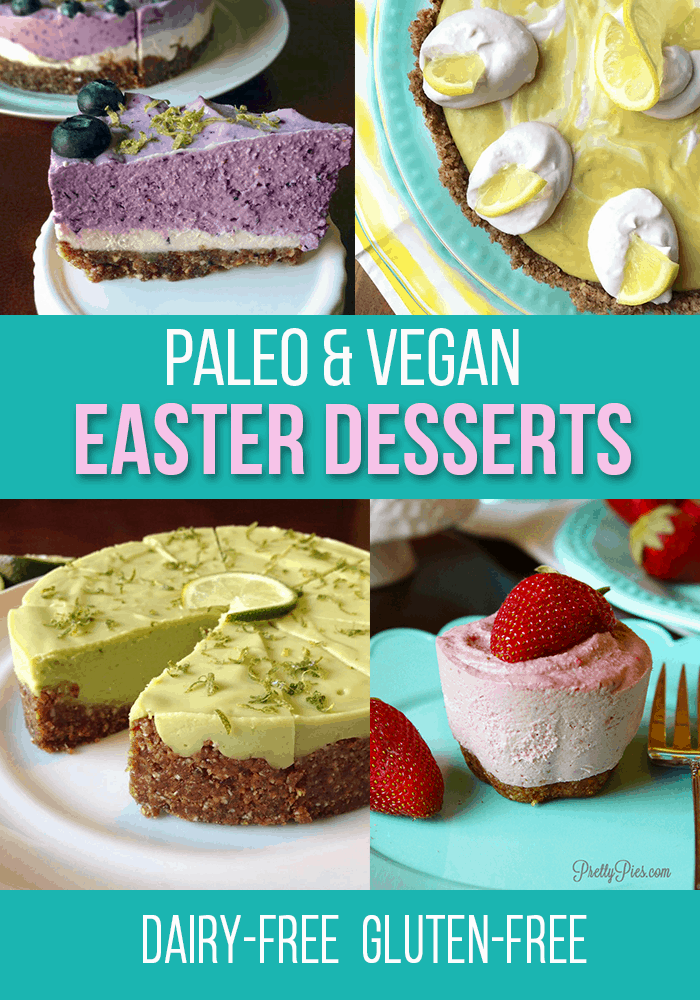
This year, we’re focusing on Easter-inspired paleo desserts – recipes that capture the spirit of the season while staying true to the paleo framework. We'll show you how to create beautiful and flavorful treats that everyone can enjoy, even those without dietary restrictions. It’s time to reclaim the joy of spring baking, guilt-free.
Understanding paleo for dessert
The paleo diet, at its heart, is about eating like our ancestors did during the Paleolithic era. This means focusing on foods that were readily available before the advent of agriculture – think meats, fish, fruits, vegetables, nuts, and seeds. It’s a way of eating designed to minimize inflammation and support overall health.
What’s not included is equally important. Grains like wheat and rice, legumes such as beans and lentils, dairy products, and processed foods are all off the table. Many paleo adherents also avoid refined sugars and artificial sweeteners. These exclusions present a unique challenge when it comes to dessert making, since traditional recipes heavily rely on these ingredients.
The reason for these restrictions goes beyond simply avoiding “bad” foods. Grains and legumes contain antinutrients that can interfere with nutrient absorption. Dairy can be inflammatory for some individuals. And refined sugar contributes to blood sugar spikes and crashes. Paleo baking necessitates getting creative with alternatives – finding ways to achieve sweetness, texture, and structure without relying on conventional ingredients. We’ll explore how to do just that.
7 Easter paleo treat ideas
Here are seven Easter-inspired paleo desserts to brighten your celebration. These treats are delicious on their own, offering unique flavors and textures.
1. Mini Carrot Cakes with Coconut Cream Frosting: A classic Easter flavor reimagined. These individual cakes use almond flour and are sweetened with maple syrup. The coconut cream frosting provides a rich, dairy-free topping. Recipe:
2. Chocolate Avocado Mousse “Eggs”: Don’t let the avocado fool you – this mousse is incredibly decadent and chocolatey. It’s naturally sweetened and offers a healthy dose of fats. Shaping it into egg forms makes it perfect for Easter. Recipe: Search 'paleo chocolate avocado mousse eggs' on Paleo Meals Direct.
3. Paleo Macarons (almond flour based, naturally colored): A surprisingly achievable paleo adaptation. Almond flour forms the base, and natural food colorings (beetroot powder for pink, spinach powder for green) create a festive look. Recipe:
4. Lemon Bars with Almond Flour Crust: Bright, tangy, and refreshing. These lemon bars use an almond flour crust and are sweetened with honey. They’re a perfect palate cleanser after a richer meal. Recipe: Search 'paleo lemon bars' on Paleo Meals Direct.
5. Coconut Flour Blondies with White Chocolate Chips: A chewy, satisfying treat. Coconut flour gives these blondies a slightly dense texture, while paleo-friendly white chocolate chips add sweetness. Recipe: Explore options on Amazon for 'Paleo Desserts' to find blondie recipes:
6. Strawberry Rhubarb Crumble: A quintessential spring dessert. This crumble uses a topping made from almond flour, coconut flakes, and a touch of maple syrup. Recipe: Find a suitable recipe on Scribd:
7. Paleo Chocolate Bark with Easter sprinkles: A simple yet elegant treat. Melt paleo-friendly chocolate, spread it onto parchment paper, and sprinkle with festive Easter decorations. Recipe: Check out Paleo Desserts on Facebook for inspiration:
Sugar Swaps: Paleo-Friendly Sweeteners
One of the biggest hurdles in paleo baking is replacing refined sugar. Fortunately, there are several excellent alternatives. Maple syrup is a popular choice, offering a distinctive flavor and a lower glycemic index than table sugar. However, its flavor can be overpowering in some recipes, and it’s still a sugar, so moderation is key.
Honey is another natural sweetener with antibacterial properties. Raw honey is preferable, as it retains more of its beneficial enzymes. Be aware that honey can crystallize over time, so storing it properly is important. Dates, particularly Medjool dates, are a whole-food sweetener that provides fiber and nutrients. They can be used to make date paste, which is a great substitute for sugar in baked goods.
Coconut sugar has a lower glycemic index than table sugar and a caramel-like flavor. It’s a 1:1 substitute for sugar in many recipes, but it's still a sugar and should be used sparingly. Stevia and monk fruit are non-nutritive sweeteners, meaning they don't contain calories or raise blood sugar levels. However, some people find that they have an unpleasant aftertaste. Experiment to find what works best for you.
Paleo Sweetener Comparison for Spring Desserts
| Sweetener | Glycemic Index (approximate) | Flavor Profile | Best Uses in Baking | Potential Drawbacks |
|---|---|---|---|---|
| Maple Syrup | Low to Moderate (around 54) | Distinctly maple flavor, rich and nuanced | Liquid sweeteners work well in custards, sauces, and as a drizzle. Good for cakes and muffins where the maple flavor complements the recipe. | Can be expensive; flavor can be overpowering in some recipes; higher sugar content than some alternatives. |
| Honey | Moderate (around 58) | Floral, varies depending on the source (clover, wildflower, etc.) | Excellent in fruit-based desserts, cookies, and as a glaze. Adds moisture and a subtle sweetness. | Flavor can be strong; not vegan; some individuals may be sensitive to honey. |
| Coconut Sugar | Moderate (around 35-54) | Caramel-like, slightly less sweet than table sugar | Can be used as a 1:1 replacement for granulated sugar in many recipes. Works well in cookies, cakes, and brownies. | Can be more expensive than table sugar; may not dissolve as easily as refined sugar. |
| Dates (Medjool) | Moderate (around 42-55, depending on variety and form) | Rich, caramel-like, fruity | Best used as a paste or puree in brownies, energy bites, and raw desserts. Adds moisture and chewiness. | Can be sticky and require some processing; adds a noticeable date flavor; higher fiber content may affect texture. |
| Monk Fruit | 0 | Generally neutral, sometimes with a slight fruity aftertaste | Good for sugar-free baking, often blended with erythritol. Works in frostings, cookies, and cakes. | Can be expensive; some individuals may experience digestive upset with erythritol blends. |
| Stevia | 0 | Can have a slightly bitter aftertaste | Best used in smaller quantities, often blended with other sweeteners. Suitable for frostings or recipes where a small amount of sweetness is needed. | Aftertaste can be unpleasant for some; can sometimes cause digestive issues. |
Illustrative comparison based on the article research brief. Verify current pricing, limits, and product details in the official docs before relying on it.
Flour Power: Beyond Wheat
Wheat flour is off-limits on the paleo diet, but that doesn’t mean you have to sacrifice texture and structure in your baking. Almond flour is a fantastic substitute, providing a rich, slightly nutty flavor and a moist texture. It’s best for cakes, cookies, and muffins.
Coconut flour is highly absorbent, so you’ll need to use less of it than almond flour and increase the amount of liquid in your recipe. It’s a good choice for denser baked goods like pancakes or breads. Tapioca starch is a pure starch extracted from the cassava root. It acts as a binding agent, helping to hold ingredients together and create a chewy texture.
Cassava flour is another option, but its flavor can be slightly starchy. I’m not sure about the best way to use it in a variety of recipes. Often, the best results come from blending flours – combining almond flour, coconut flour, and tapioca starch to achieve the desired texture and flavor. A common ratio is 1:1:1, but you may need to adjust it based on the specific recipe.
Troubleshooting Paleo Baking
Paleo baking can be a bit tricky, and it’s common to encounter a few challenges. Dryness is a frequent complaint, often caused by using too much coconut flour or not enough liquid. Adding a tablespoon or two of applesauce or mashed banana can help restore moisture.
Crumbly texture can be another issue. This is often due to a lack of binding agents. Adding an extra egg or a tablespoon of tapioca starch can help hold the ingredients together. If your baked goods aren’t rising properly, make sure your baking powder is fresh and that you’re not overmixing the batter.
Adapting traditional recipes to be paleo is often a matter of simple substitutions. Replace wheat flour with almond or coconut flour, refined sugar with maple syrup or honey, and butter with coconut oil. You may need to adjust the liquid content and baking time to achieve the desired results. Don't be afraid to experiment!
Beyond Easter: Spring Flavors
While we’ve focused on Easter-inspired treats, the principles of paleo baking can be applied to all sorts of spring flavors. Strawberries and rhubarb are a classic combination that works beautifully in crumbles, pies, and muffins. Lemon and lavender add a bright, floral note to cakes and cookies.
Don’t be afraid to experiment with other seasonal produce – think blueberries, raspberries, and peaches. Paleo Meals Direct offers a wealth of recipes to inspire you throughout the year. We also have seasonal produce guides to help you choose the freshest ingredients.
Paleo desserts are about more than just avoiding certain ingredients; they’re about embracing a way of eating that supports your health and well-being. By using whole, unprocessed foods, you can create delicious treats that you can feel good about enjoying any time of year.


No comments yet. Be the first to share your thoughts!