

Make the recipe
Choosing between Paleo and Keto often comes down to whether you prioritize strict ketosis or whole-food sourcing. This meal prep strategy bridges both worlds. It relies on high-quality fats and lean proteins while keeping carbohydrates low enough to support metabolic flexibility. The result is a dish that satisfies keto macros without sacrificing the nutrient density Paleo demands.
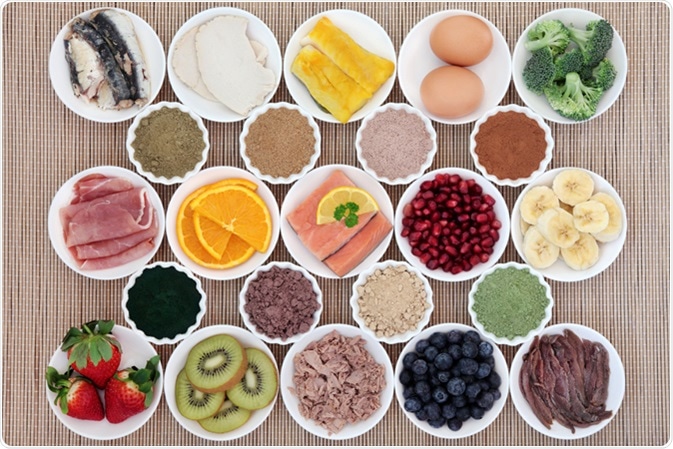
We’ll focus on a simple sheet-pan preparation. This method reduces cleanup time and ensures consistent cooking results. You’ll use olive oil and avocado for healthy fats, paired with grass-fed beef or wild-caught salmon for protein. Vegetables like broccoli and sweet potatoes provide fiber and micronutrients. Sweet potatoes are acceptable in moderate Paleo portions, while keto adherents might swap them for extra cauliflower or zucchini to stay in ketosis.
The cooking process is straightforward. Season your protein and vegetables generously with sea salt, black pepper, garlic powder, and fresh rosemary. Toss everything in olive oil to prevent drying. Spread the ingredients in a single layer on a baking sheet. This ensures even heat distribution and proper caramelization. Bake at 400°F (200°C) for 20-25 minutes. The protein should reach a safe internal temperature, and the vegetables should be tender but not mushy.
This recipe is designed for batch cooking. Prepare two sheets at once to have meals ready for 3-4 days. Store portions in airtight containers in the refrigerator. Reheat gently in the microwave or oven to maintain texture. Avoid overcooking during reheating, as this can dry out the fish. Pair with a side salad or steamed greens for a complete meal.
Keep the texture right
Good texture comes from matching the cooking cue to the food, not from trusting the timer alone. Check thickness, moisture, and doneness before changing the recipe.
-
Prep evenlyCut, roll, portion, or spread the mixture evenly so every piece cooks at the same pace.
-
Control moisturePat, drain, rest, or reduce wet ingredients when excess liquid would soften the final texture.
-
Use the doneness cueLook for the recipe-specific sign of doneness instead of stopping at the first browned edge.
-
Let it settleCool or rest the finished food long enough for steam and structure to stabilize.
Swaps that still work
Meal prep relies on consistency, but strict adherence to either Paleo or Keto rules can make repetition tedious. Fortunately, the ingredient overlap between the two diets is significant enough to allow for flexible substitutions without breaking your nutritional targets. By understanding which swaps maintain the core principles of each diet, you can streamline your grocery lists and reduce food waste.
The following table outlines practical ingredient swaps that function within both Paleo and Keto frameworks. These substitutions focus on maintaining macronutrient balance—specifically keeping carbohydrates low while prioritizing healthy fats and adequate protein.
| Base Ingredient | Keto-Friendly Swap | Paleo-Friendly Swap |
|---|---|---|
| Rice | Cauliflower rice (low carb) | Cauliflower rice or sweet potato cubes |
| Pasta | Shirataki noodles or zucchini noodles | Zucchini noodles or spaghetti squash |
| Bread | Almond flour bread (high fat, low net carb) | Cassava flour or almond flour bread |
| Oats | Chia seed pudding or hemp hearts | Chia seed pudding or buckwheat groats |
| Potatoes | Mashed cauliflower or turnips | Sweet potato or parsnip |
| Soy Sauce | Coconut aminos (lower sodium, no soy) | Coconut aminos (no soy, no grains) |
When executing these swaps, pay attention to the net carbohydrate count, especially if you are strictly following Keto. For example, while sweet potatoes are Paleo-friendly, they are often too high in carbs for a strict Keto diet. In those cases, cauliflower or broccoli florets are superior alternatives that maintain volume and fiber without spiking blood sugar. Similarly, while buckwheat is a Paleo-approved grain-free seed, it contains more carbs than chia seeds, making the latter a safer bet for Keto meal prep.
Using these interchangeable components allows you to build a modular meal prep system. You can prepare a large batch of roasted cauliflower rice or spiralized zucchini at the start of the week, using it as a base for both Keto stir-fries and Paleo grain bowls. This approach minimizes decision fatigue and ensures that your meals remain nutritionally aligned with your chosen strategy.
Serve and store it
Start with measured ingredients and pay attention to the texture cue in the method. Most recipe problems come from changing thickness, moisture, or heat without adjusting the timing.
No comments yet. Be the first to share your thoughts!